Start with the space and the time you have
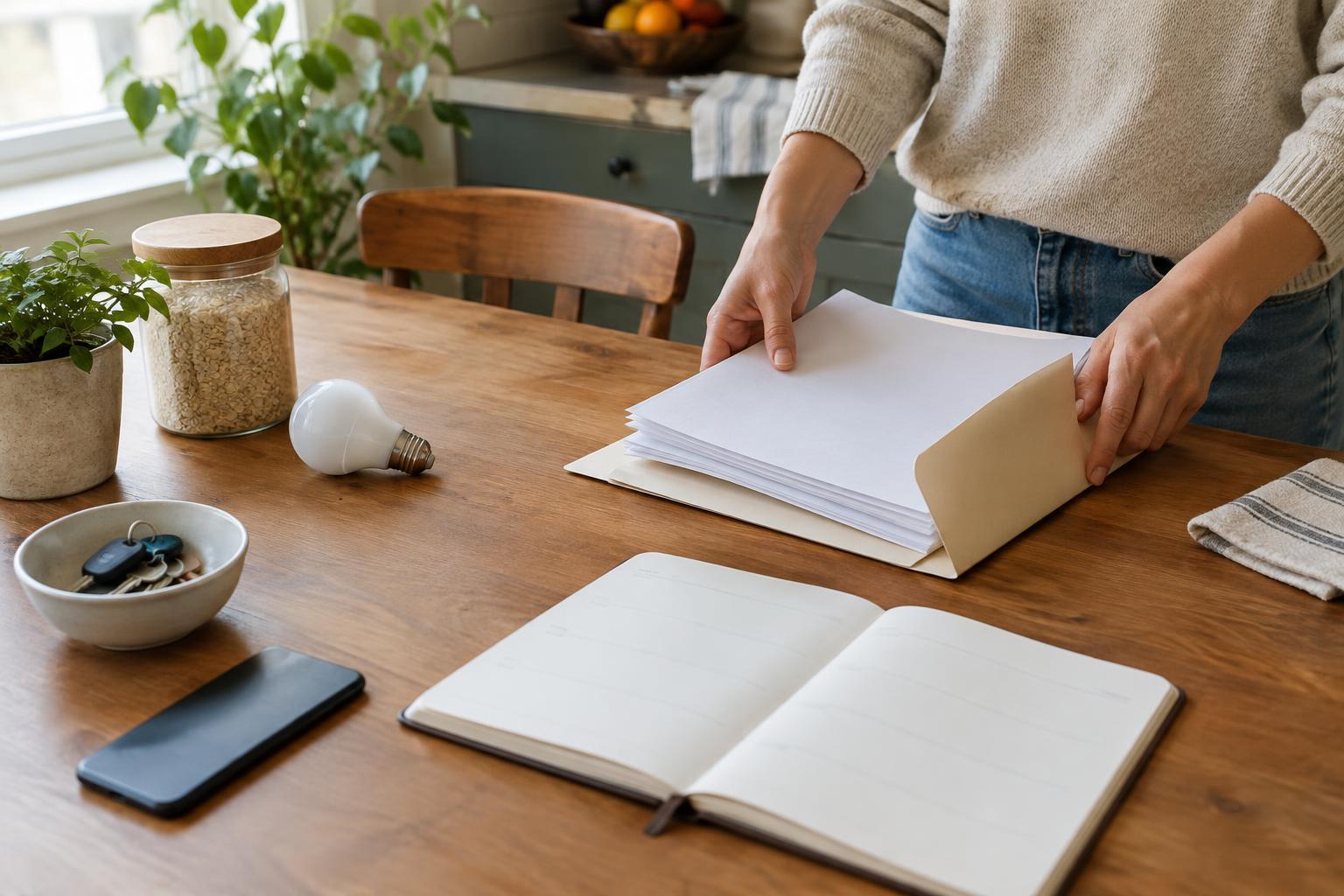
Whether you are moving soon after leaving military service or settling into another civilian home, begin with what you know: your move date, the space available, who can help, and how your belongings will travel. Write down any constraints, such as stairs, limited parking, storage needs, or a gap between leaving one home and entering the next. This gives you a plan based on the actual move rather than an ideal schedule.
Work backward from moving day and assign a small task to each available week or weekend. Early tasks might include collecting boxes, measuring large furniture, and sorting a closet. Save daily-use items for the final days. If your schedule is uncertain, prioritize decisions that will still help if the date changes: reduce what you do not want to move, gather supplies, and make a list of what you own.
Sort before you seal a box
Packing goes faster when you are not making a keep-or-discard decision over every object. Take one manageable area at a time and group things into keep, donate or give away, recycle or discard, and decide later. Give the last group a small, defined space so it does not become a second unsorted household. If an item belongs to someone else or has paperwork attached, set it aside for careful review rather than making a rushed decision.
It can help to sort by how you expect to use things in the new home. Keep everyday kitchen items together, separate seasonal clothing from current clothing, and place hobby equipment where you can find it when you are ready to resume that activity. You do not have to recreate the layout of your previous home. A move is an opportunity to choose routines that fit the space you are going to live in.
Pack for finding things, not just fitting them
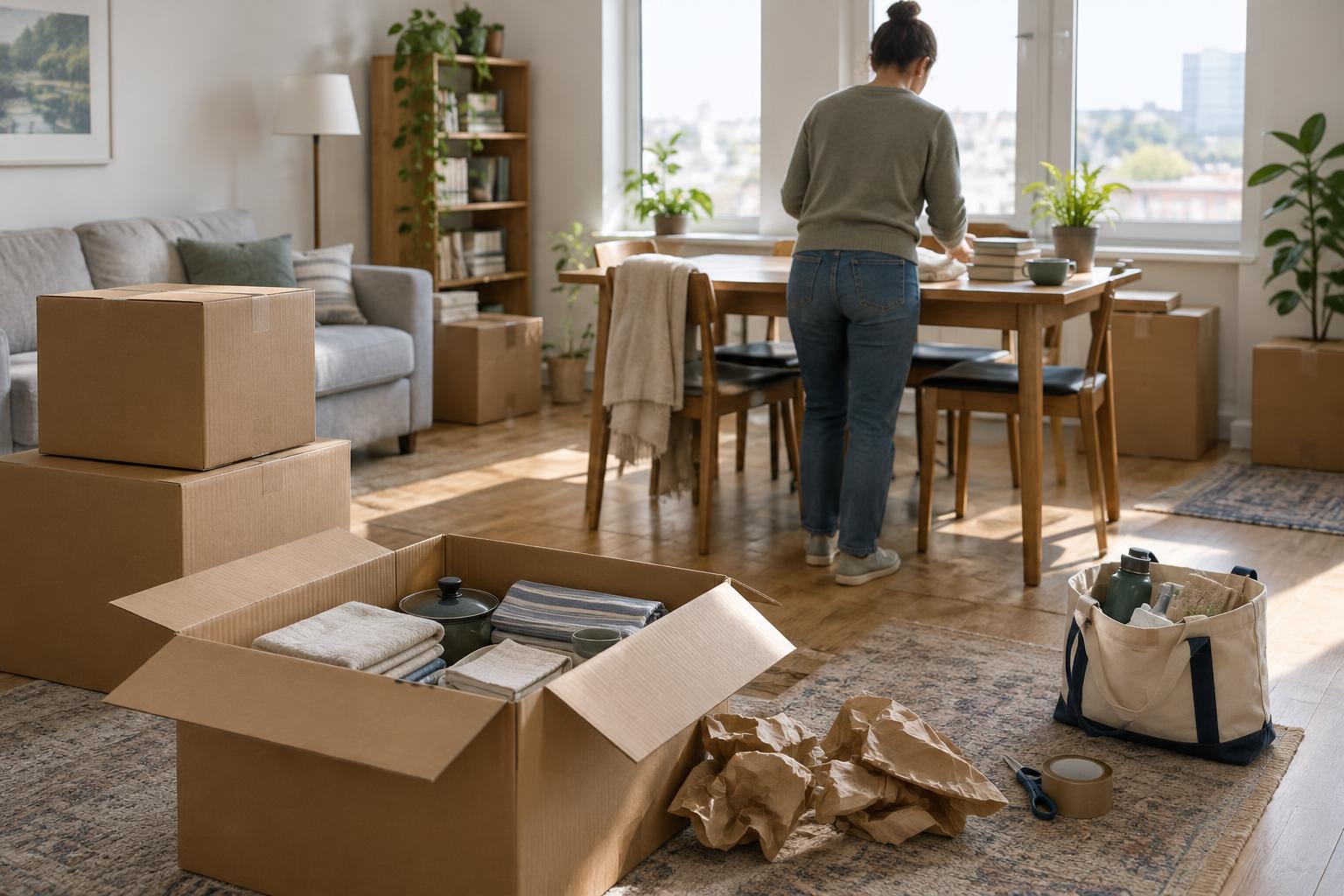
Use sturdy containers that you can lift safely. Put heavier items in smaller boxes, cushion breakables, and fill empty spaces so contents do not shift. Before sealing a box, label it on more than one side with its destination room and a short description, such as “Kitchen: pans and utensils.” Numbering boxes and keeping a brief list of their contents can be useful if belongings will be stored or delivered separately. Avoid writing sensitive details on the outside.
Set aside a clearly marked first-day bag or box that travels with you, if possible. Include clothing, basic toiletries, medications you use, chargers, bedding, a towel, cleaning supplies, and simple items for a meal or drink. Keep identification, important documents, keys, and anything difficult to replace in a secure place you can access directly. Check what your chosen moving method permits before packing liquids, batteries, or other items that may need special handling.
Give moving day a simple sequence
Before loading begins, identify boxes that must stay with you and those that should be accessible first at the new place. If others are helping, a short explanation of your labels and room names may prevent repeated questions. Keep walkways clear and avoid stacking boxes where they block doors or essential fixtures. Take a final look through cupboards, drawers, storage areas, and outlets before leaving.
At the new home, aim to get belongings into the right rooms rather than unpacking every box immediately. Confirm that the first-day items are available. Then make the space functional in a basic order: somewhere to sleep, a usable bathroom, a way to prepare or obtain food, and a clear path through the rooms. A short written list can help you keep track when the day becomes busy.
Unpack for daily life first
Choose one small area to finish, such as the bed or a kitchen counter. Unpack what supports the next few days before opening boxes of books, decorations, or occasional-use gear. As you empty containers, flatten or stack them in one place instead of letting them spread through the home. If an item has no obvious location, place it in a temporary holding area and return to it after the main rooms are usable.
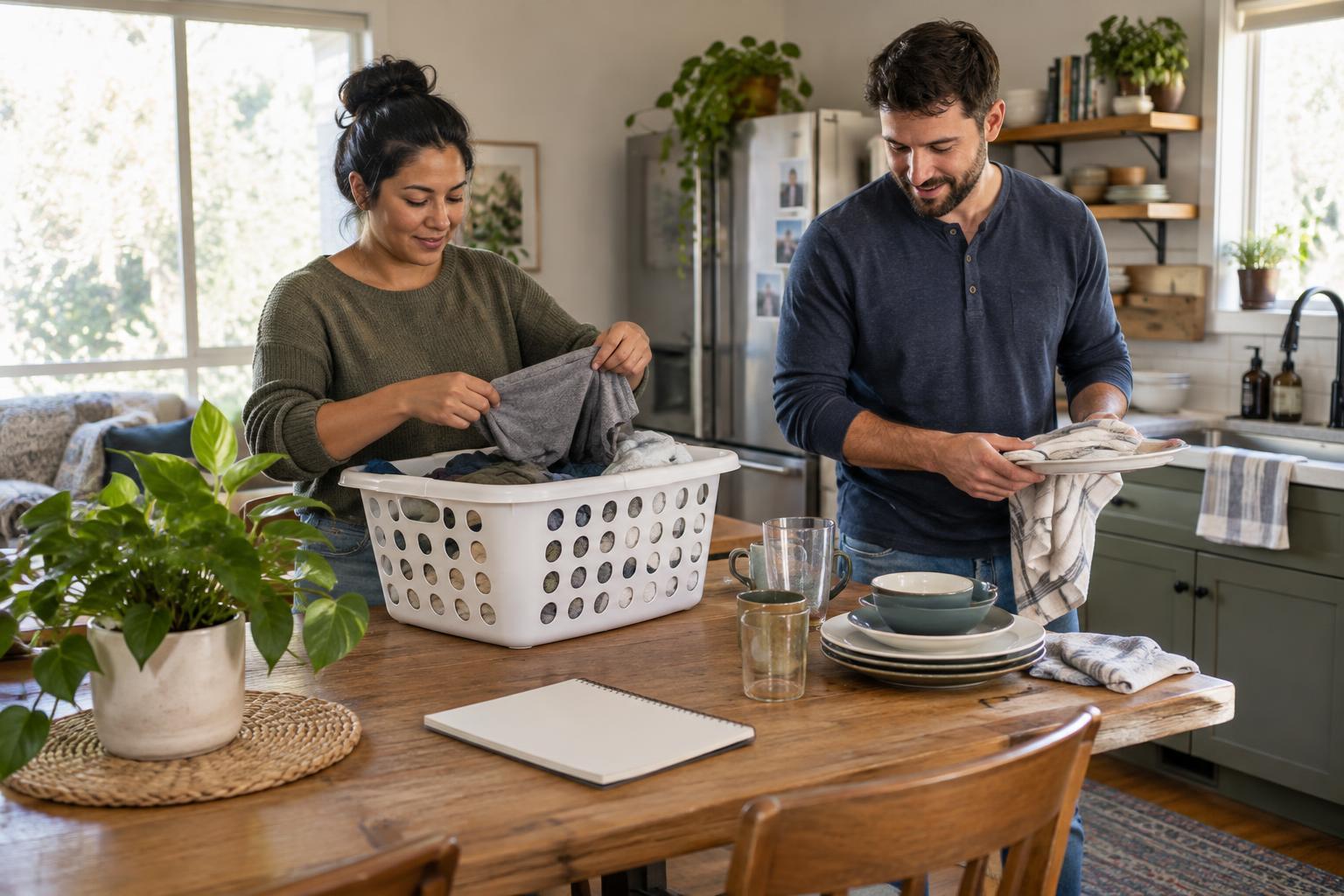
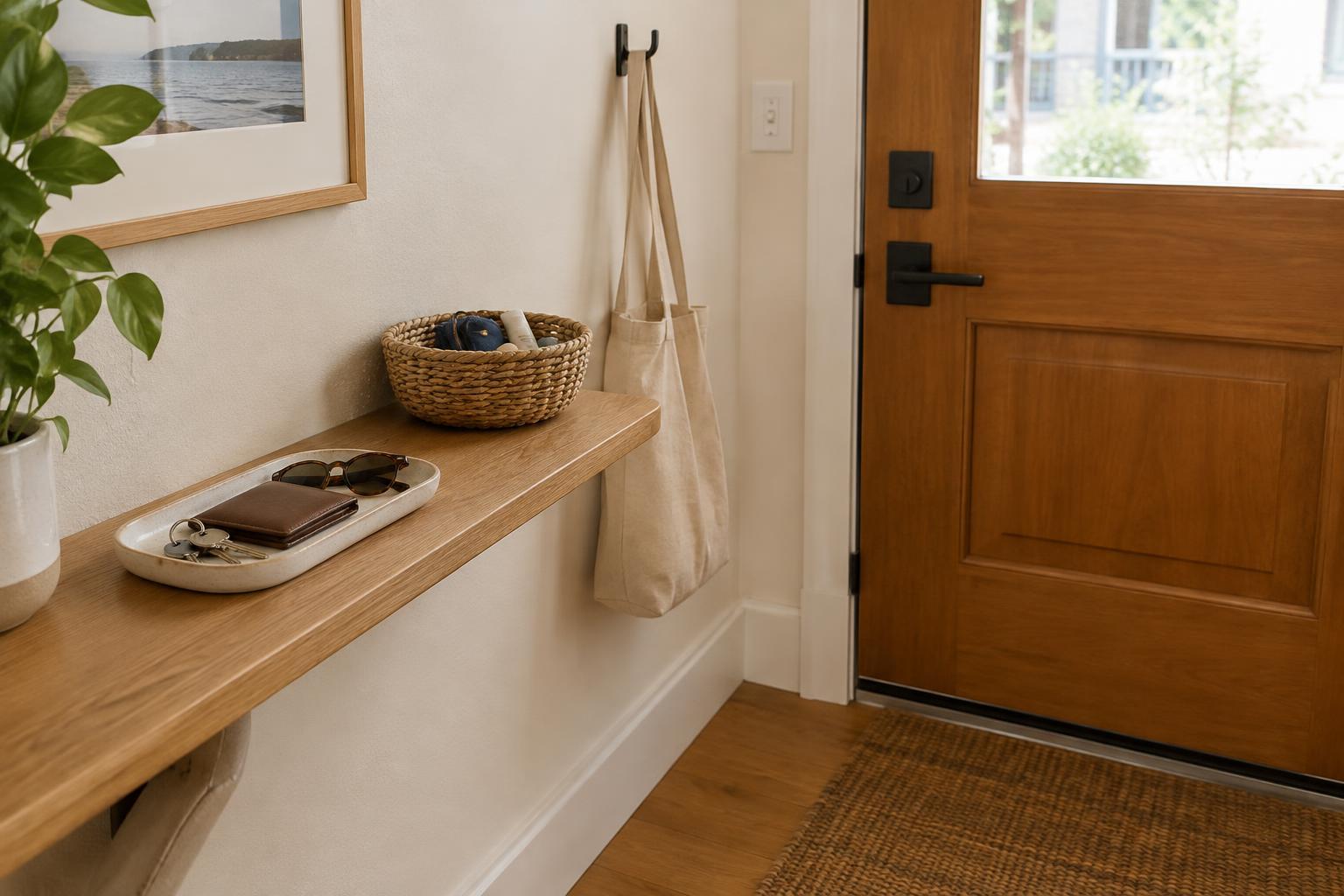
A workable unpacking plan does not require the home to feel finished right away. Notice which routines need support: getting out the door in the morning, finding clean clothes, preparing food, or keeping track of paperwork. Give those routines dependable places first. The remaining boxes can become a series of smaller tasks rather than one overwhelming project.