Start with the papers you actually use
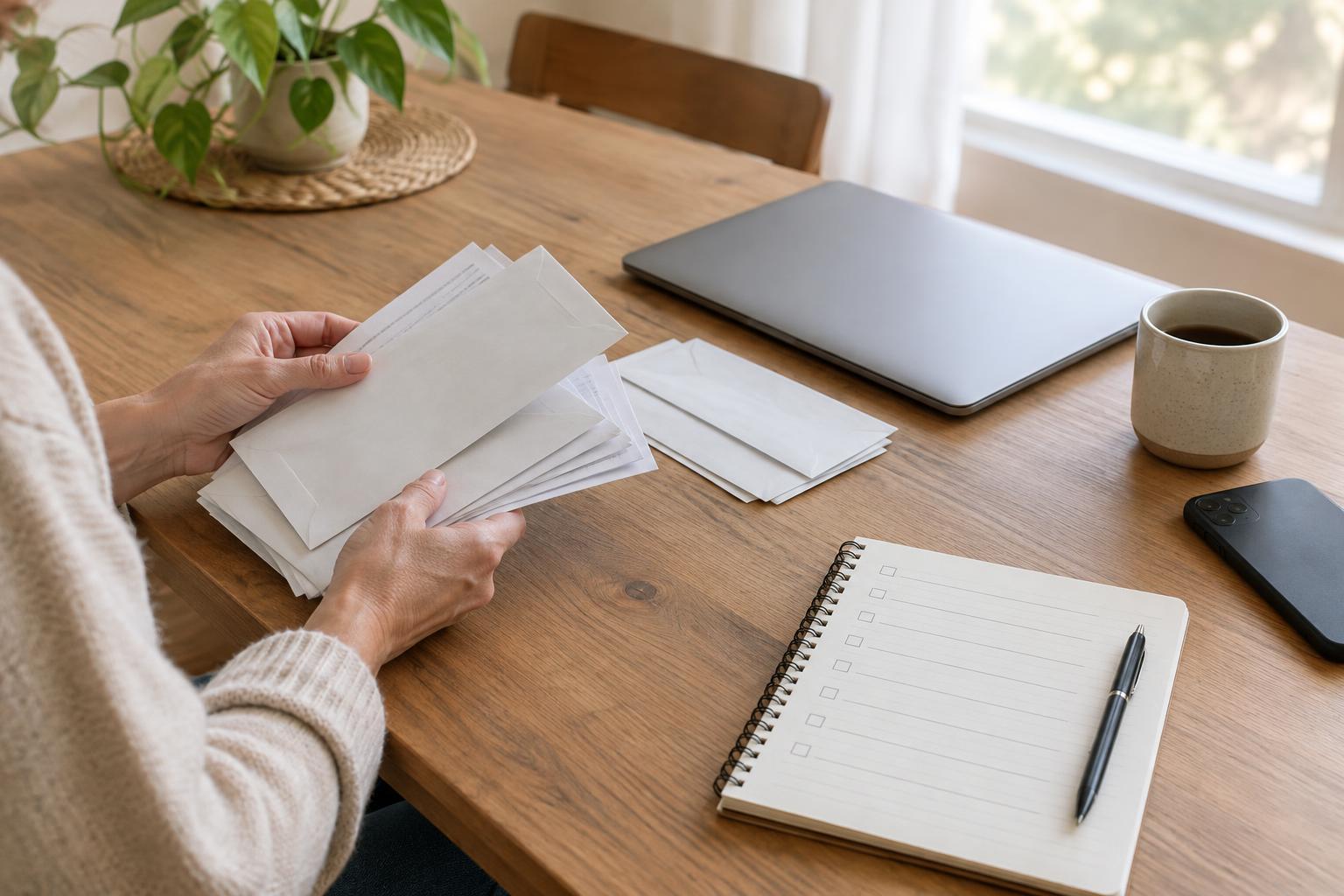
A move into a new civilian routine can bring paperwork from several directions: housing, work, education, vehicles, household purchases and personal correspondence. The goal of a home filing system is not to save every sheet. It is to help you find an important document without searching through drawers, bags or email. Begin by gathering loose papers from the places they tend to collect, then sort them on a clear table.
Make three initial piles: action needed, keep for reference and review for disposal. The action pile might include a form to complete or a bill to check. The reference pile holds records you expect to need again. If you are unsure whether a document must be retained, place it in a temporary “check before discarding” folder rather than making a quick decision. This first pass should make the volume manageable; it does not have to settle every question.
Choose categories you can recognize at a glance
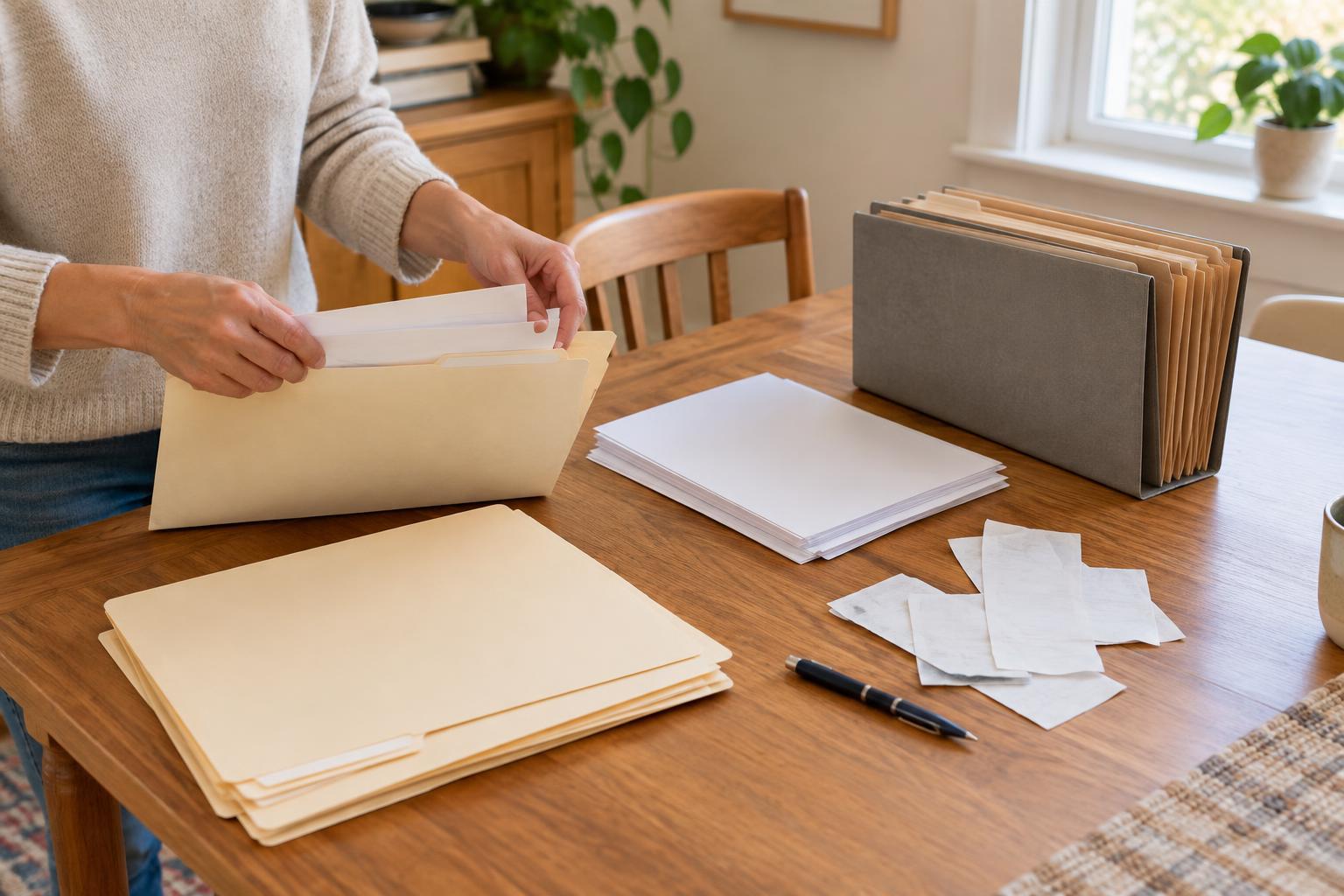
Use a small number of broad folders that match your life. Possible labels include Identity, Housing, Employment, Education, Transportation, Insurance, Household Purchases and Receipts. Add a separate folder for service-related personal records if that makes them easier to locate. You can create subfolders later, but starting with too many narrow categories often makes filing slower.
Label folders with ordinary words you would use when looking for a record. For example, “Car” may be more useful to you than “Transportation.” Keep frequently needed documents near the front of a file box or drawer, and place records you rarely consult in a separate archive. A one-page index taped inside the box can help everyone in the household understand where shared papers belong.
Give receipts a purpose and a place
Receipts are easier to manage when you separate them by why you might need them. Keep receipts for returns or warranties with the product information until their practical use has passed. Store receipts connected to a larger household purchase in that item’s folder. For routine purchases, a single monthly envelope or folder may be enough while you decide whether anything needs to be kept.
Paper receipts can fade, and small slips are easy to lose. If a receipt matters, consider making a readable digital copy and naming it so you can find it later, such as “appliance-receipt” with the purchase date. Retention requirements vary by document and circumstance, so check applicable instructions before discarding records you may need for taxes, claims or other formal purposes. There is no need to invent one universal rule for every receipt.
Protect sensitive records without making them hard to find
Some records deserve more care than an everyday receipt. Keep identity documents and other sensitive originals in a secure place appropriate for your household, and avoid carrying them unless needed. If you share a home, decide who should be able to access essential records and how they could do so in an emergency. Store copies separately from originals when that would help you recover information after a loss.
A digital folder can complement paper files. Use the same basic categories in both places so you do not have to remember two systems. Give files descriptive names, protect devices and accounts with strong sign-in methods, and keep a backup in a separate secure location. Before scanning or uploading a sensitive document, consider whether you need a digital copy at all and who would have access to it.
Build a routine small enough to keep
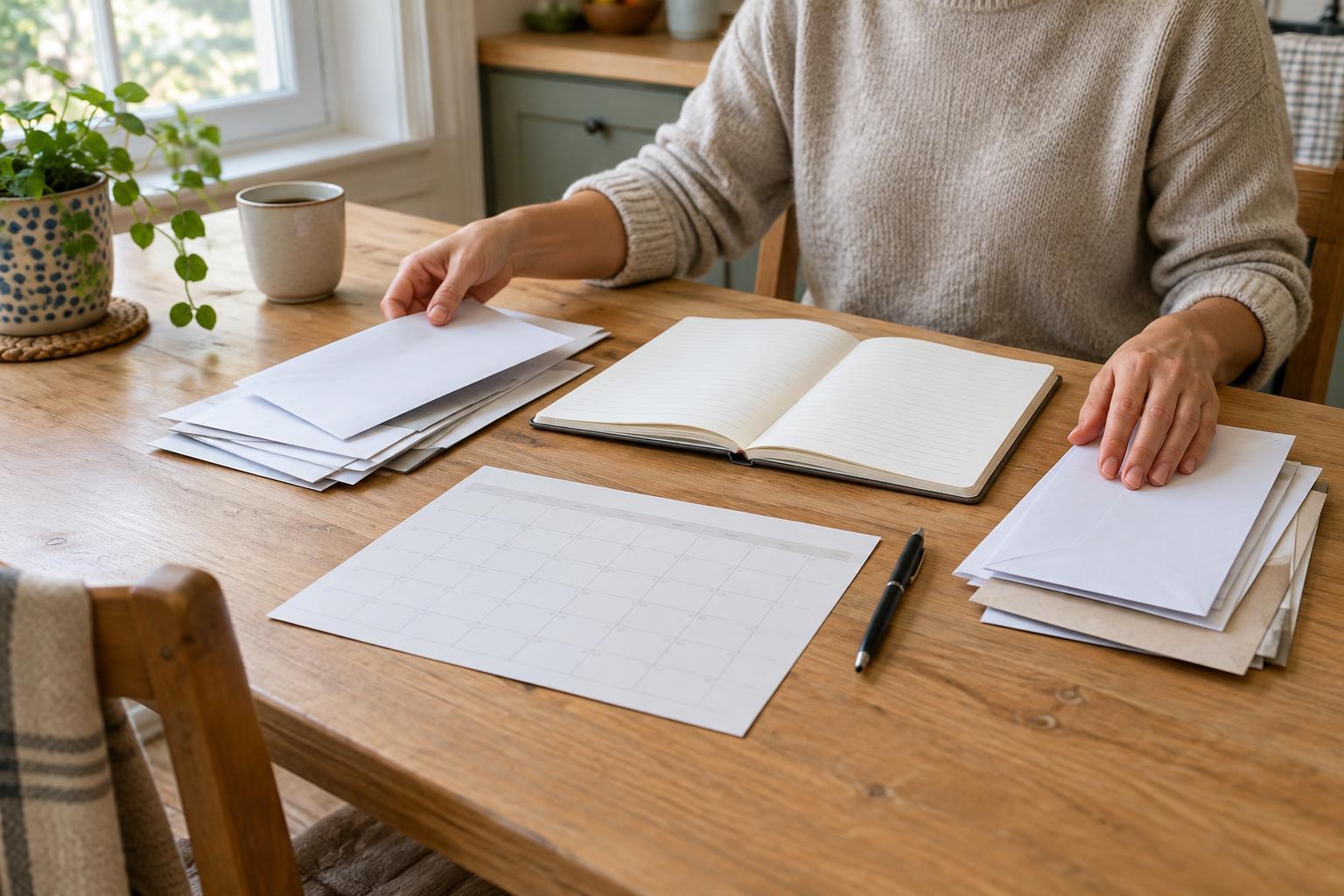
Set up one inbox for new mail, forms and receipts. Once a week, spend a few minutes moving each item to the action folder, its permanent folder or the disposal pile. Deal with time-sensitive items first. When an action is complete, file the resulting record where you would look for it later—not necessarily where the original paper started.
Every few months, look through crowded folders and remove duplicates or papers that no longer serve a purpose, checking uncertain retention requirements first. Dispose of documents containing personal information in a way that protects that information. The best system is one you can maintain during a busy week: a few clear labels, a reliable place for incoming paper and a habit of putting records away.