Start with one complete bill list
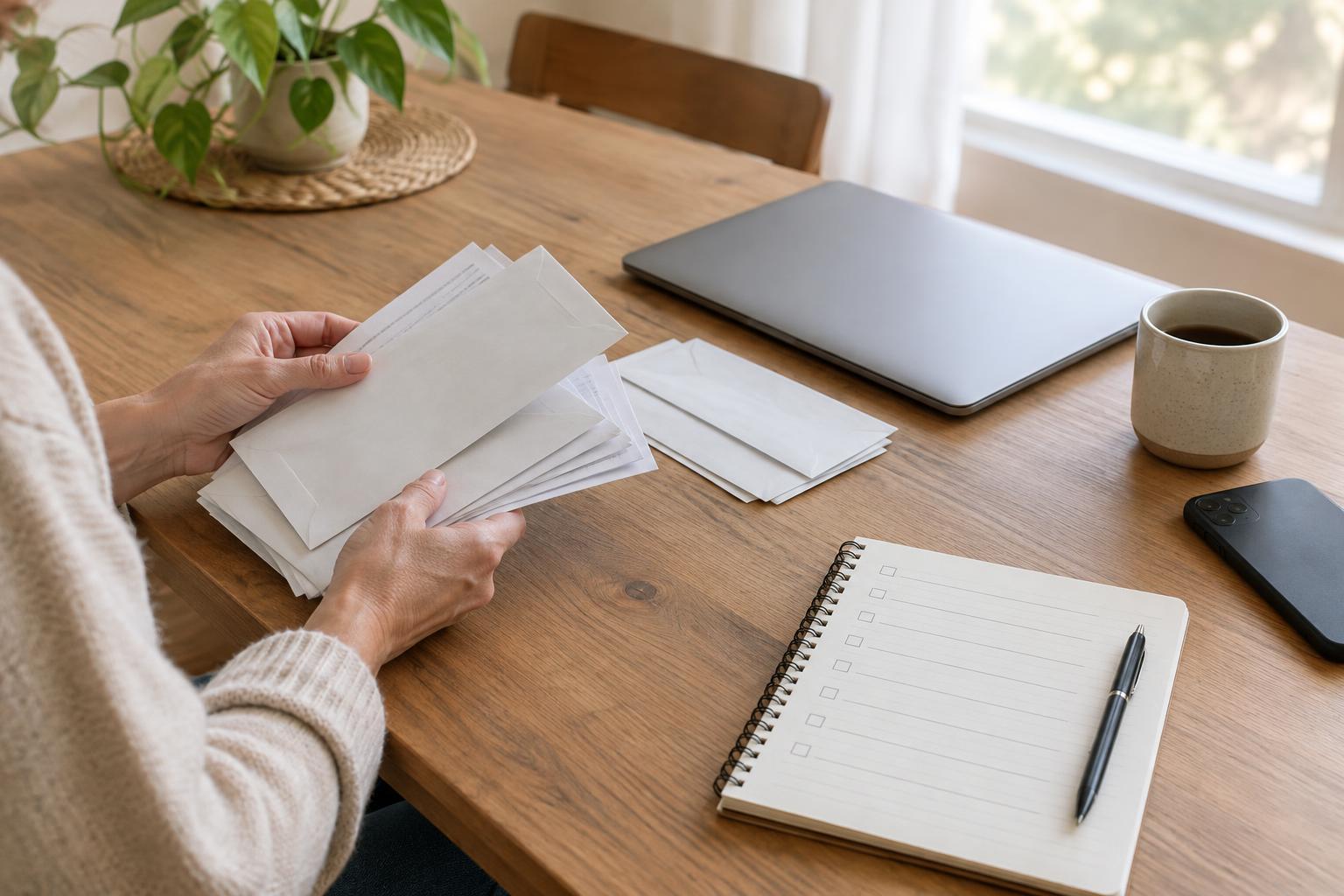
Moving into a new civilian routine can mean taking on household tasks that were previously shared, handled differently, or easy to overlook. A bill list gives you one place to see what needs attention. Use a notebook, a spreadsheet, or a notes app—whichever you are most likely to check. Include regular expenses such as housing, utilities, phone service, internet, insurance, and subscriptions, along with bills that arrive less often.
For each item, write down the company or provider, the usual amount or a rough range, the due date, how the bill arrives, and how you normally pay it. Mark amounts that vary from month to month so you know to check the current statement rather than copy an old figure. If you share household responsibilities, add the name of the person who handles each payment. Review bank activity and recent mail to catch anything missing, but keep account passwords and full payment details out of a list that others might see.
Put dates where you will notice them
A list shows what you owe; a calendar shows when to act. Enter each due date into a paper calendar or digital calendar you already use. Set a reminder several days before the due date to open the bill, check the amount, and choose when to pay. If mail delivery, weekends, or processing time could affect a payment, leave a little room rather than planning to handle everything at the last minute.
It can help to separate the due date from your personal check-in date. For example, a bill due near the end of the month might appear in your calendar twice: once as a prompt to review it and once as the actual deadline. Some providers may let you change a due date, but availability varies. If your current dates are hard to manage, you can ask a provider what options it offers without assuming a change is guaranteed.
Choose a payment method you can monitor
Automatic payments can reduce the number of dates you must remember, but they still need oversight. A changed bill amount, expired card, or low account balance can create problems even when a payment is scheduled. If you use automatic payments, note which bills are enrolled, the account they draw from, and when you expect the withdrawal. Keep the reminders that tell you to review each statement and confirm that the payment went through.
Paying manually may suit bills with changing amounts or anyone who prefers to approve each transaction. In that case, give yourself a repeatable step: open the statement, check the amount and due date, make the payment, and record the confirmation. You do not need one method for every bill. The useful choice is the one you can follow consistently and verify afterward.
Keep records without creating clutter
Create one place for current bills and payment confirmations. A labeled folder works for paper statements; a clearly named folder works for digital copies. You might group records by month or by provider. When a bill arrives, put it there until it is paid. After payment, mark the date and keep the confirmation with the statement. This makes it easier to answer a simple question later: was this bill paid, and how?
For digital records, use the provider's account or your own saved confirmation rather than relying only on an email that may be hard to find. Protect devices and accounts with the security features available to you, and avoid storing sensitive information in an unprotected shared document. You can periodically remove duplicate reminders and old working notes while retaining any records you still need for your household.
Make a short weekly review the anchor
A system stays useful when you look at it. Pick a regular time each week to scan the next few weeks of your calendar, check for new statements, and update your list if an amount or due date has changed. Compare recent payments with your account activity, especially for automatic withdrawals. The review does not need to be elaborate; its purpose is to catch small surprises while there is still time to respond.
If you miss a payment or find an unfamiliar charge, start by checking the statement and your records. Contact the provider through a channel you trust if something remains unclear. Then adjust your reminder or process to address what went wrong. A good bill-tracking routine is not a perfect spreadsheet. It is a small, dependable habit that helps you know what is coming, what is finished, and what needs a closer look.