Start with the kind of afternoon you want
A new hobby does not have to begin with a major purchase or a difficult goal. Baking can fit into a civilian routine as a quiet activity at home, a reason to invite someone over, or simply a chance to make a snack. Your first project should match the time and energy you have available, not an ideal version of what a baker ought to make.
Before choosing a recipe, decide what would make the experience enjoyable. Do you want something you can finish in one session? Would you rather make a familiar treat than try an unfamiliar flavor? Is there someone you would like to share it with? These answers are more useful than choosing a recipe because the finished photograph looks impressive. A manageable project leaves room to learn without turning a free afternoon into a deadline.
Pick a recipe with few moving parts
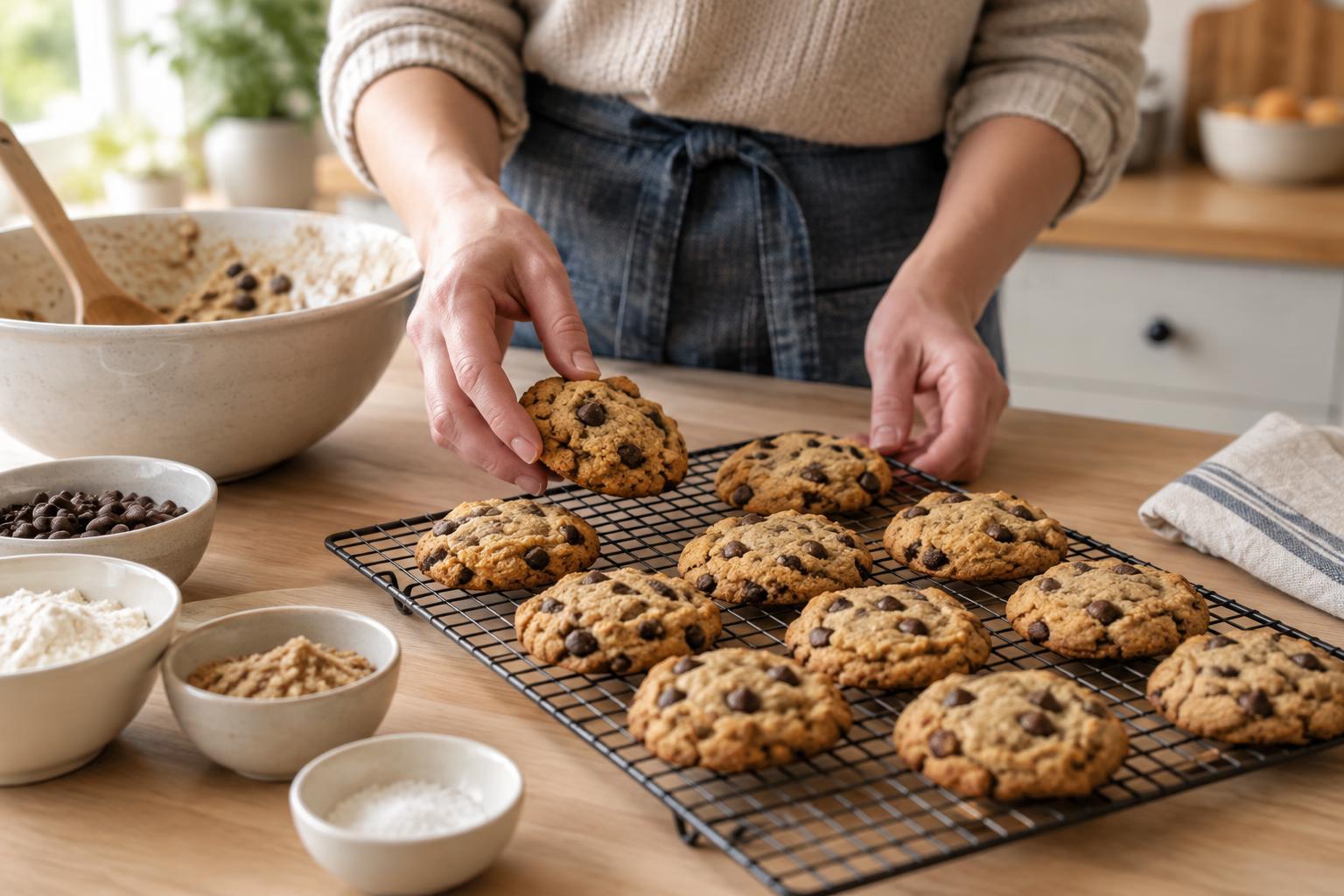
For a first attempt, look for a recipe with a short ingredient list, clearly ordered steps, and equipment you already own or can easily borrow. Muffins, drop cookies, and a simple loaf cake are possibilities. They generally let you mix a batter or dough, portion or pour it, and bake it without shaping, filling, or decorating. You do not need to master every technique at once.
Read the whole recipe before settling on it. Check whether ingredients need to reach room temperature, whether the batter must rest, and how long the oven needs to preheat. Note the pan size as well as the baking time: using a different pan can change how quickly the center cooks. If a recipe calls for a mixer, a special tin, or several separate preparations, it may be better saved for another day.
Choose a recipe from a source that gives specific measurements and describes what to look for as the mixture changes. Directions such as “mix until no dry flour remains” are more helpful to a beginner than directions that assume you already know what a finished batter should look like. If you have dietary needs, choose a recipe designed for those needs rather than making several substitutions on your first try.
Make the setup part of the hobby
A little preparation makes baking feel less hurried. Set out the ingredients, measuring tools, mixing bowl, pan, and a place where the finished bake can cool. Check that you have enough of each ingredient before you begin. If you are sharing a kitchen, a quick conversation about oven time and counter space can prevent interruptions.
You do not need a perfectly arranged workspace. Clearing enough counter space to measure and mix is plenty. Follow the recipe's instructions for preparing the pan, then measure ingredients before combining them. Baking often depends on proportions, so avoid guessing amounts until you have a feel for how a recipe behaves. Set a timer, but use the recipe's visual cues and any stated doneness checks too; ovens and pans can produce slightly different results.
Build cleanup into the plan rather than treating it as a surprise at the end. Putting ingredients away while the project bakes and washing a bowl or two during cooling time can keep the activity pleasant. If you want baking to become a regular hobby, a process you can comfortably repeat matters more than a picture-perfect result.
Treat the first batch as information
The first bake may be uneven, a little dry, or different from what you pictured. That does not make the afternoon a failure. Let it cool as directed, taste it, and notice one thing you liked and one thing you might change. Perhaps the flavor worked but the edges browned quickly, or the texture was good but you would prefer a smaller portion next time.
Keep your notes simple. Write down the recipe name, the pan you used, and any change you made. If you try it again, change only one thing at a time so you can tell what made a difference. Repeating the same project can be satisfying in its own right: familiar steps free up attention for noticing small improvements.
Let the hobby grow at your pace
After one beginner-friendly project, you can decide what interests you next. If you enjoyed the mixing and quick reward, try another muffin or cookie recipe. If you liked sharing the result, plan a batch with a friend or neighbor in mind. If you enjoyed the quiet process, make a favorite recipe again before adding a new technique.
Baking does not need to become a side business, a competition, or even a weekly habit to be worthwhile. It can be one small, self-directed part of a routine after service: time set aside to practice, make something tangible, and enjoy the result. The best first project is the one that makes you curious enough to bake again.