Start with something to do together
After military service, familiar routines and social circles may change. Meeting people in a new setting can feel awkward, especially when there is no obvious reason to start a conversation. A shared local activity offers a starting point: people can work, learn, or play alongside one another while conversation develops at its own pace.
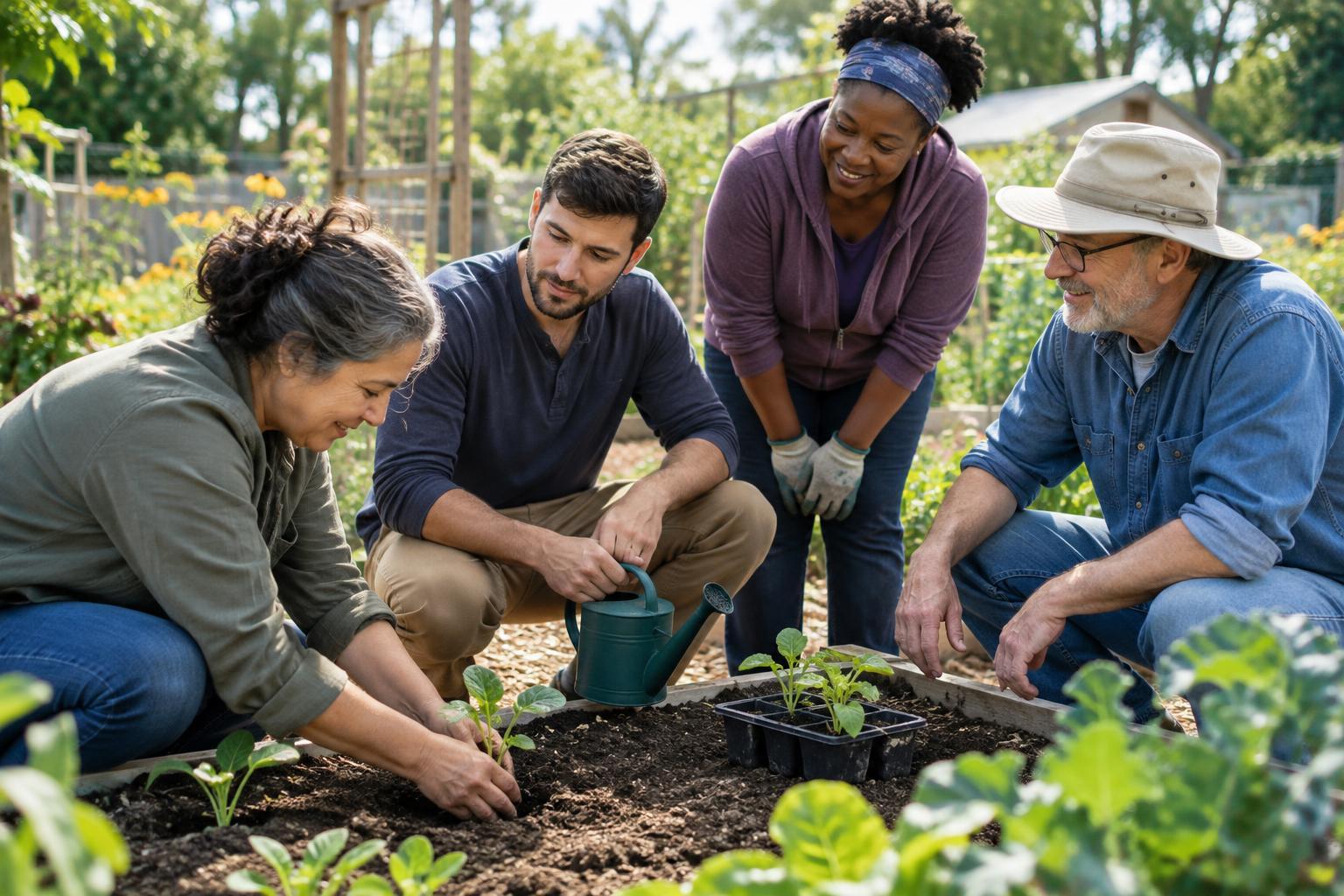
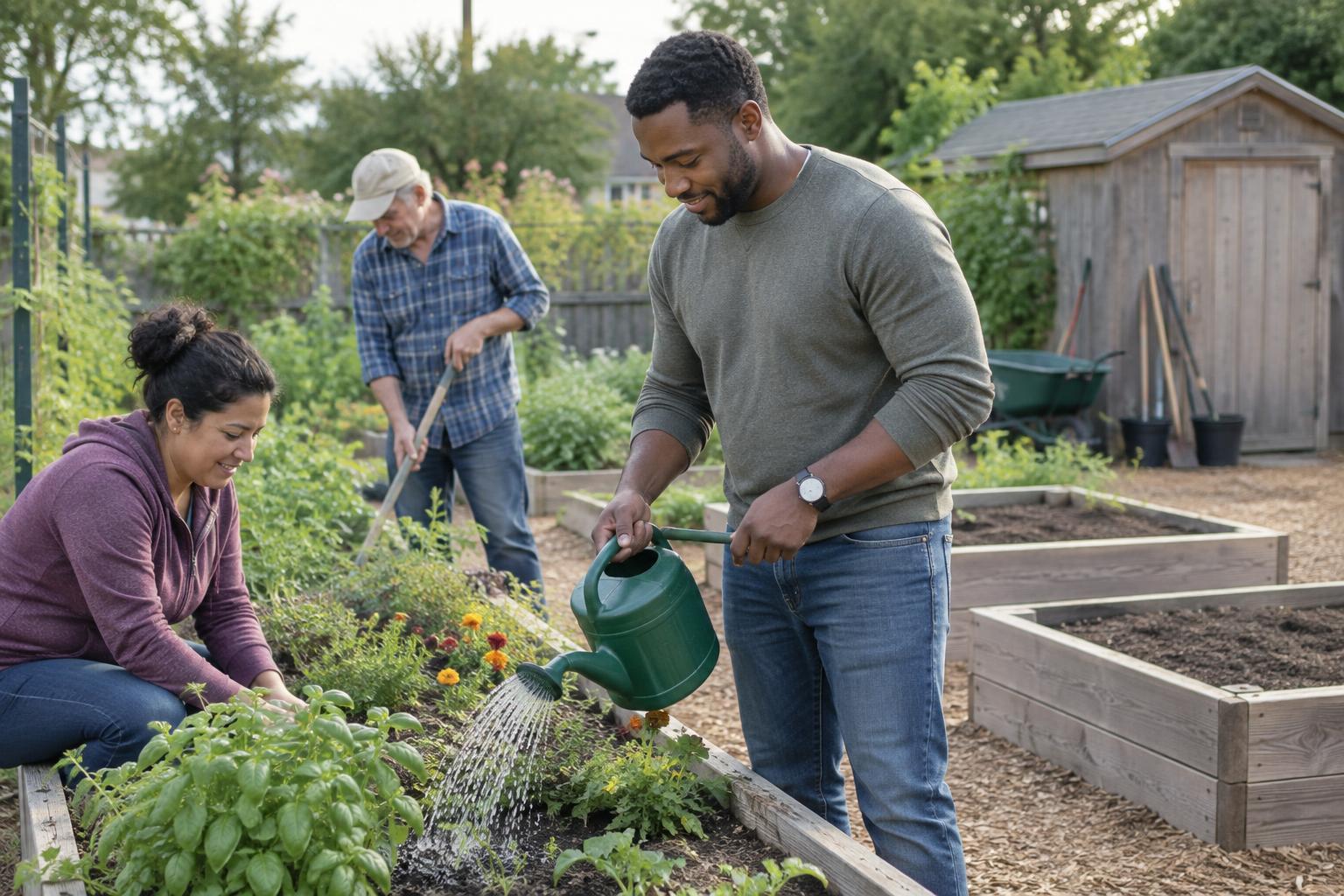
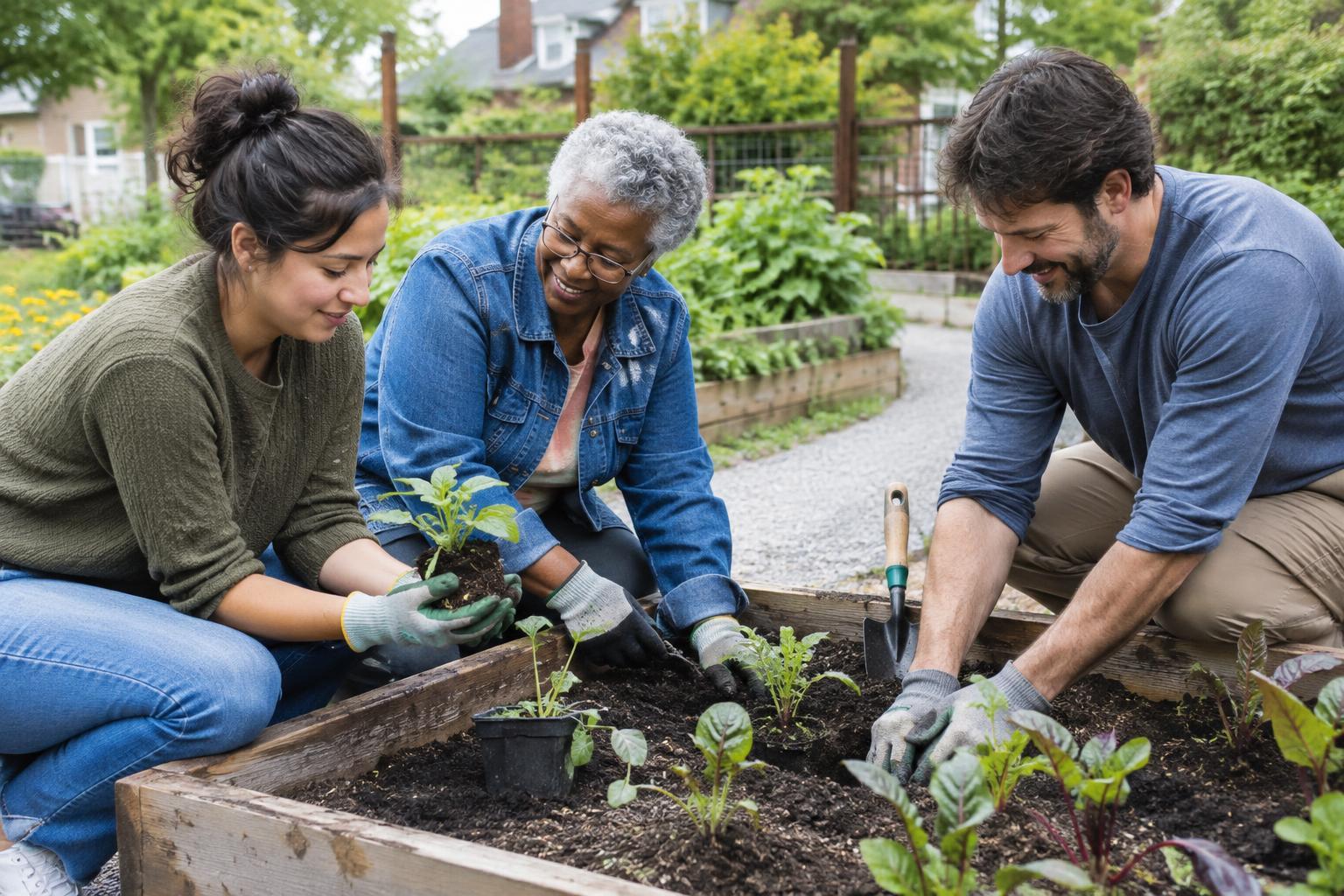
A community garden, repair workshop, walking group, neighborhood cleanup, library event, or recreational league can bring together people at different life stages. The activity matters more than the age range. Look for something you would enjoy even if you did not make a close friend right away. That takes pressure off the first visit and gives you a practical reason to come back.
Choose a setting that welcomes different kinds of participation
An intergenerational activity works best when no one has to share the same schedule, physical ability, or level of experience. Before joining, consider what participation looks like. Can newcomers observe before taking on a task? Are there jobs that can be done sitting down as well as standing? Is the time commitment clear? These details can help people feel welcome without putting anyone on the spot.
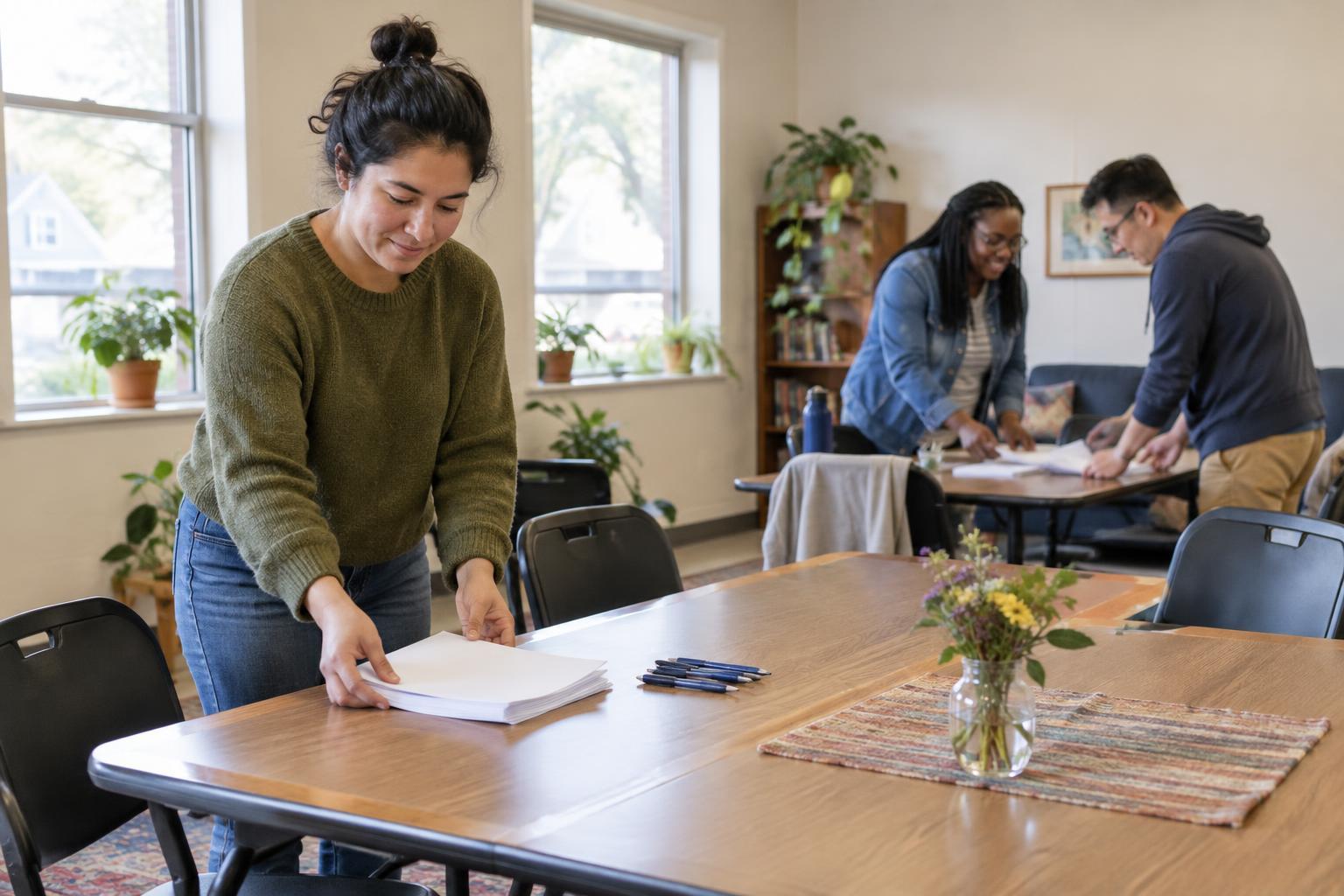
If you are helping organize an activity, offer a few ways to contribute. At a garden day, one person might plant, another might label beds, and someone else might welcome arrivals. At a local history project, participants could sort materials, record memories with permission, or help set up a display. Varied roles let people share skills without treating one generation as the teacher and another as the student.
Let curiosity replace assumptions
People of different ages may have different experiences, but age alone says little about what someone knows or enjoys. An older neighbor might be new to a hobby; a teenager might have practiced it for years. Instead of assigning roles based on age, ask simple questions: What brought you here? Which part of this project interests you? Have you done something like this before?
For someone transitioning from service, it may be tempting to lead every task or to stay quiet until the group feels familiar. Neither response has to be permanent. Try offering a specific skill when it is useful, such as planning a supply list or helping a team coordinate, and make space for others to lead as well. Connections tend to grow when people can contribute without being defined by their past role.
Make conversation comfortable, not compulsory
Shared work creates natural openings for conversation. Asking for advice on a project, commenting on a route during a walk, or discussing what to try next can be easier than introducing yourself with your whole life story. Light conversation is enough at first. Over time, repeated meetings may make room for more personal stories, but nobody owes the group an account of their service, family, health, or history.
It also helps to notice how people prefer to take part. Some enjoy talking while they work; others concentrate better in quiet. Some can attend every week, while others come when their schedule allows. A friendly greeting, a clear explanation of the task, and an invitation to return can do more to build trust than pressing for immediate closeness.
Keep the connection going in manageable ways
One enjoyable afternoon does not have to turn into a major commitment. If an activity feels worthwhile, try attending again before taking on an organizing role. Familiar faces and repeated small interactions can make a place feel more comfortable. You might remember someone’s project, offer to bring a shared supply, or suggest working together on a task next time.
When a group is not a good fit, that is useful information rather than a failure. A structured class may suit you better than an open social gathering, or a short volunteer shift may fit better than an all-day event. The aim is not to collect contacts or fill every free hour. It is to find a local activity you can return to, where people of different generations have a chance to be useful, curious, and at ease together.