Start with the activity, not the shopping list
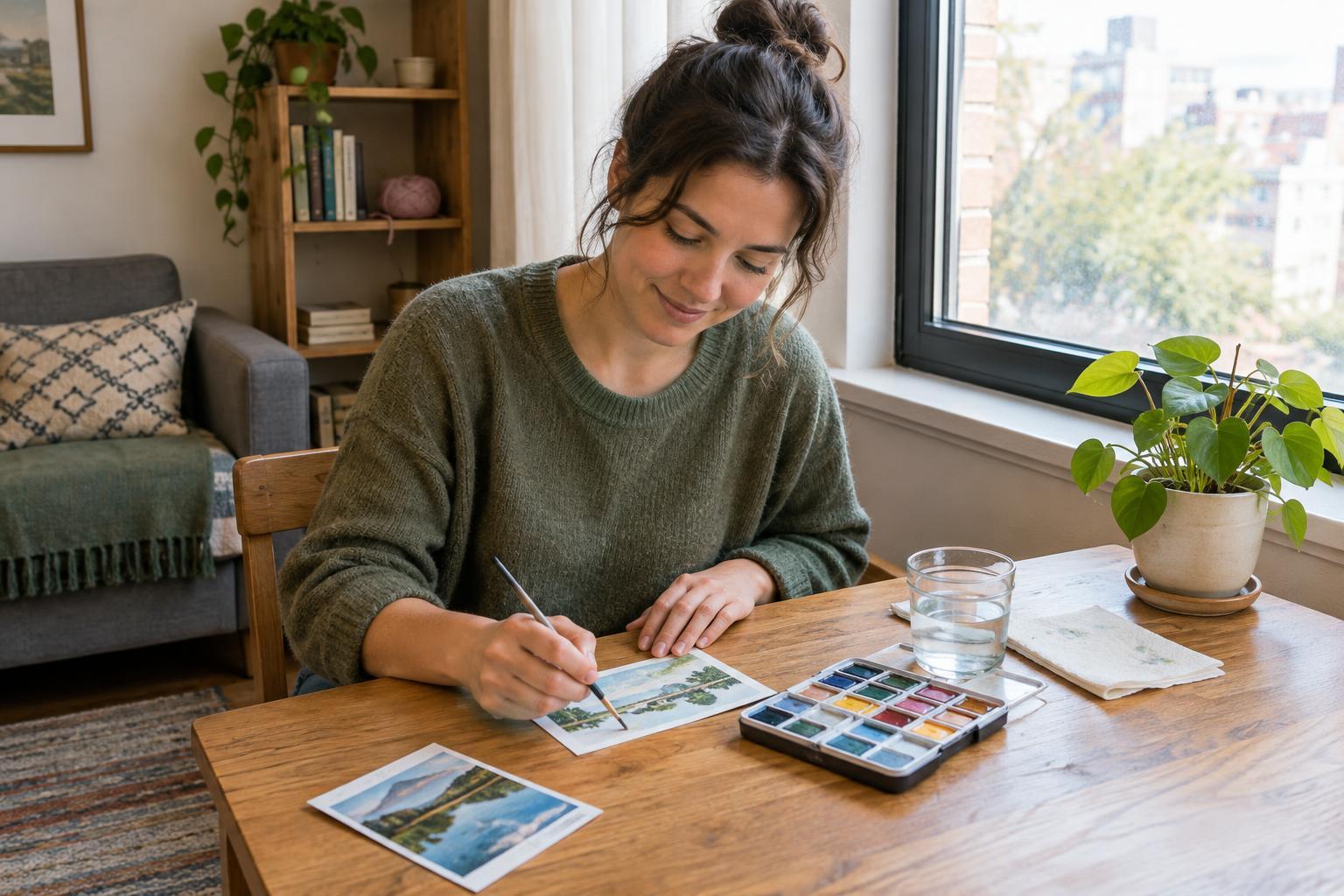
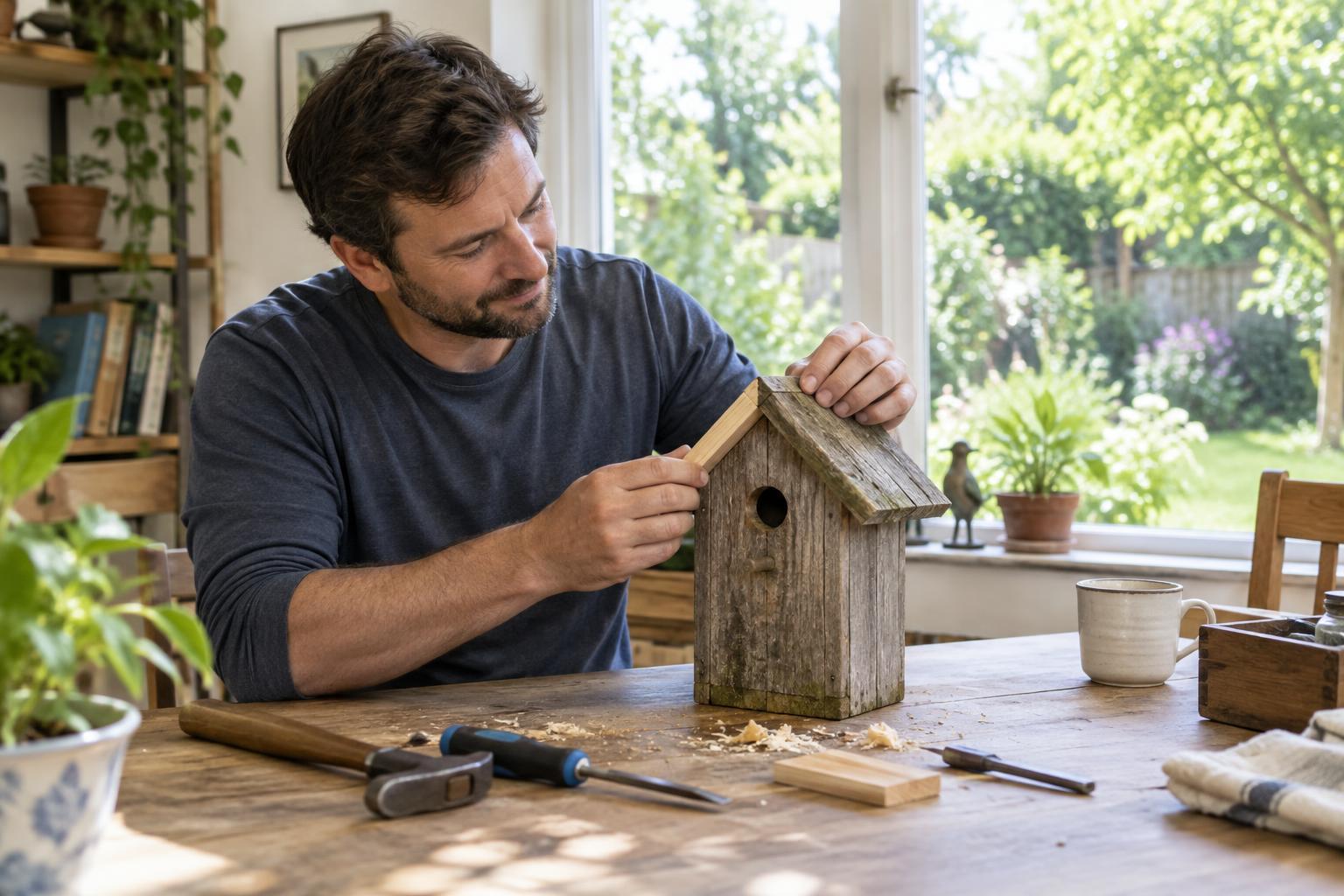
A new hobby can bring structure and enjoyment to a changing routine. It can also come with a surprisingly long equipment list. Before purchasing anything, describe the activity you actually want to try: a short neighborhood photography walk, a weekend of camping, a few woodworking lessons, or regular time making music. The equipment needed for a first attempt is often different from the equipment someone uses after years of practice.
Separate essentials from upgrades. An essential lets you participate safely and comfortably; an upgrade may make an activity more convenient later. If you are unsure which is which, look at the requirements for a beginner class or ask an experienced participant what they would use for a first session. Set a modest trial budget that includes supplies, access fees, storage, and maintenance—not just the price on the item.
Borrow when you want a low-commitment introduction
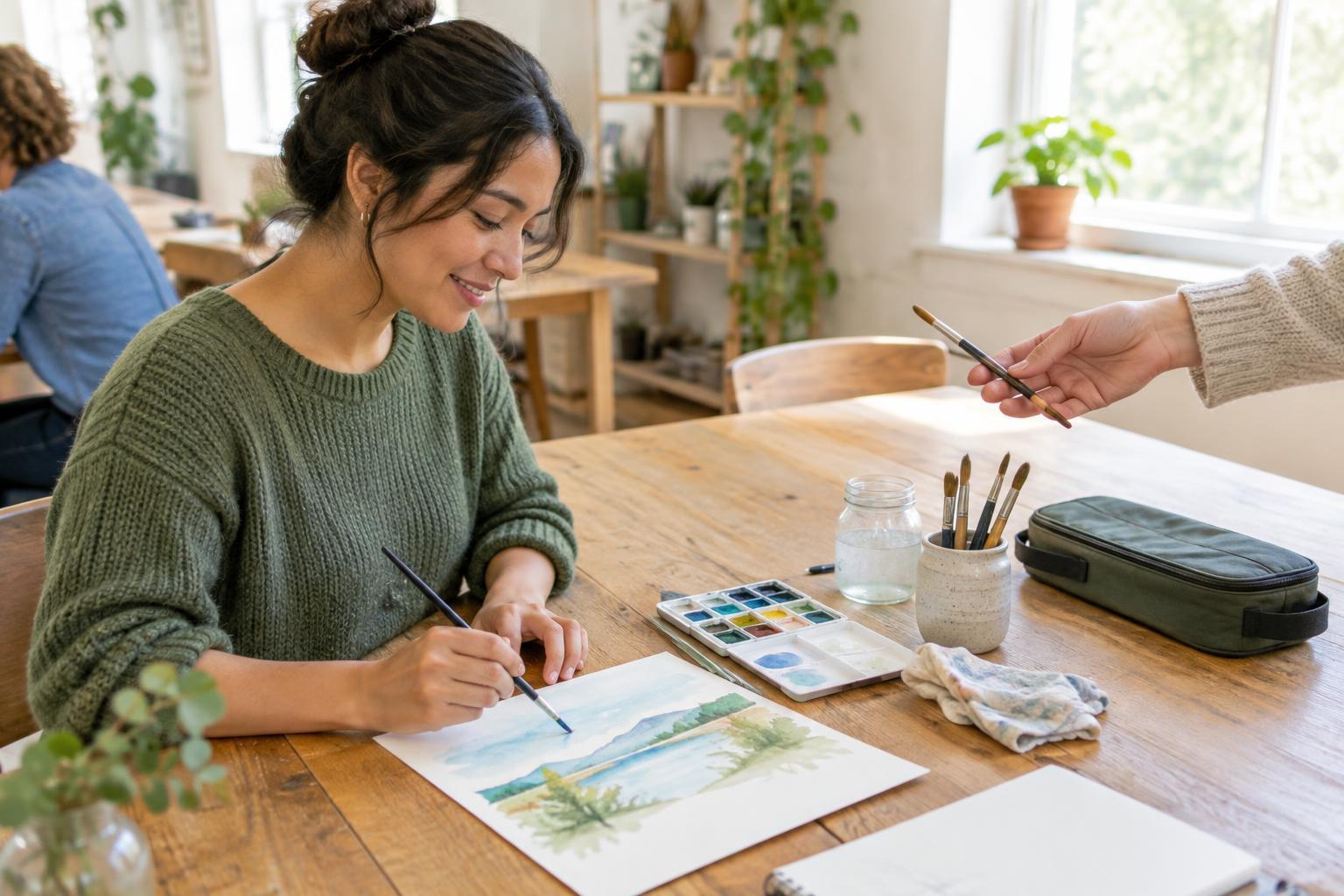
Borrowing can be a good choice when you are exploring an activity, need an item only once, or want to compare styles before choosing your own. A friend, neighbor, community group, or lending program may have something suitable. Ask what is included, how to use it, and whether there are any quirks or existing signs of wear. Agree on when and how you will return it, and check that it is clean and complete first.
Treat borrowed gear as a way to learn your preferences, not as a guarantee that every version of the hobby feels the same. A camera that is awkward to hold or a bicycle that does not fit may tell you more about that particular item than about the activity. For gear where fit or safety matters, do not use something simply because it is available. If it cannot be adjusted or checked properly, choose another way to try the hobby.
Rent when access and flexibility matter
Renting may make sense for expensive, bulky, or occasional-use equipment. It lets you try an activity without finding permanent storage or taking responsibility for long-term upkeep. Rental shops, activity venues, and some classes may offer suitable gear, though availability and terms vary. Compare the total cost for the time you need, including deposits, accessories, cleaning charges, and late-return rules.
Before leaving with a rental, confirm that you know how to operate it and inspect it with the provider. Ask what to do if something stops working and whether protective equipment is included or available separately. Keep the return time somewhere you will notice it. If you find yourself renting the same item regularly, record what you spend and which features you like; that information can make a later buying decision much clearer.
Buy when your use and needs are clear
Buying becomes more appealing when you expect to use an item often, need a particular fit, or value being able to practice on your own schedule. You do not necessarily need the most advanced model. Beginner-friendly equipment that is comfortable, repairable, and appropriate for your space may serve you better than a feature-heavy purchase. For items you wear or handle for long periods, try them in person when possible.
Used equipment can stretch a budget, but check its condition and whether replacement parts or instructions are available. Look for damage, missing components, and signs of poor storage. Some items, especially protective gear, call for extra caution because their history may not be obvious. Think about where the item will live, how you will transport it, and what routine care it needs. An affordable purchase is less useful if those practical demands keep you from using it.
Run a small trial before making a bigger commitment
Give yourself a simple test period: try the activity a few times using borrowed, rented, or basic equipment. After each session, note what you enjoyed, what got in the way, and which piece of gear made a difference. You might discover that you like the hobby but prefer a different format, such as a group class instead of practicing at home. You might also decide it is not for you, which is useful information rather than a failed investment.
When your trial ends, choose the next step based on actual use. Continue borrowing if opportunities are occasional, rent when you want access without storage, or buy the item you have repeatedly needed. Starting small leaves room for your interests to change as your civilian routine takes shape. The aim is not to assemble a perfect collection; it is to make participation easy enough that you can keep showing up.