Start with what matters to you now
Leaving military service can change how your days are structured and where you feel connected. Community participation is one way to get to know people and contribute to a place, but it does not have to replace the sense of purpose you had in service. A useful starting question is simpler: What would you like to spend some time helping with now?
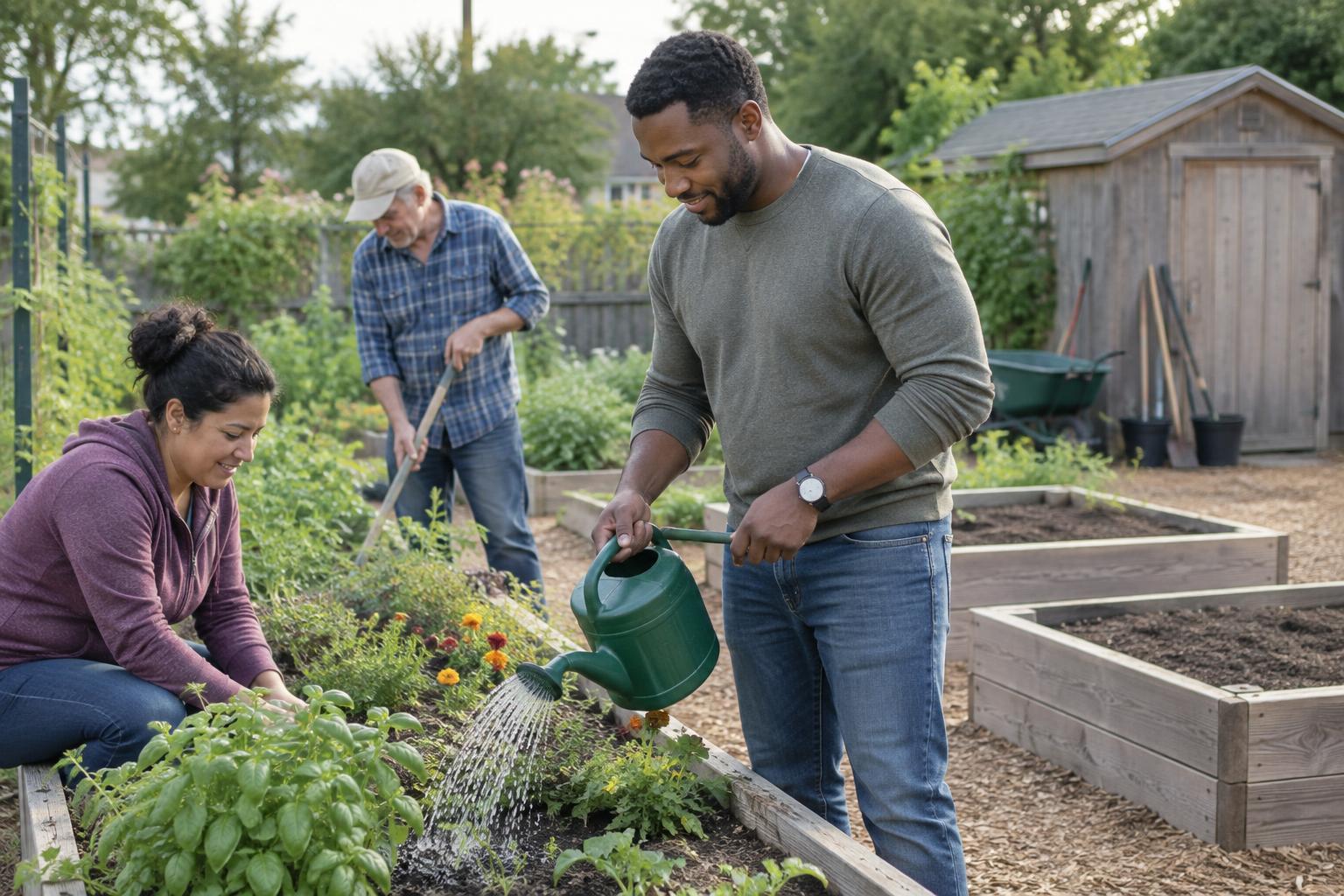
Think about issues you already notice in daily life. You might care about local trails, food access, animal welfare, youth activities, public events, or keeping a shared space welcoming. Then consider what you enjoy doing. Someone who likes hands-on work may prefer a cleanup or repair project; someone who likes conversation may enjoy greeting visitors or helping at an event. Your interests are enough reason to explore a cause. You do not need a special connection to it or a grand explanation for choosing it.
Match the commitment to your real schedule
Before looking for opportunities, decide what time you can offer without crowding out work, family, learning, rest, or other priorities. Include travel, preparation, and recovery time, not just the hours listed for an activity. A monthly morning may fit better than a weekly evening. If your schedule changes often, a single event or short project may be easier to manage than an ongoing role.
Also consider when you tend to have energy. A cause can matter deeply and still be a poor fit if its usual activities happen at the wrong time of day or require more social interaction than you want after a busy week. Setting a small, realistic limit is not a lack of commitment. It gives you a better chance of showing up as promised and enjoying the experience.
Look for roles, not just causes
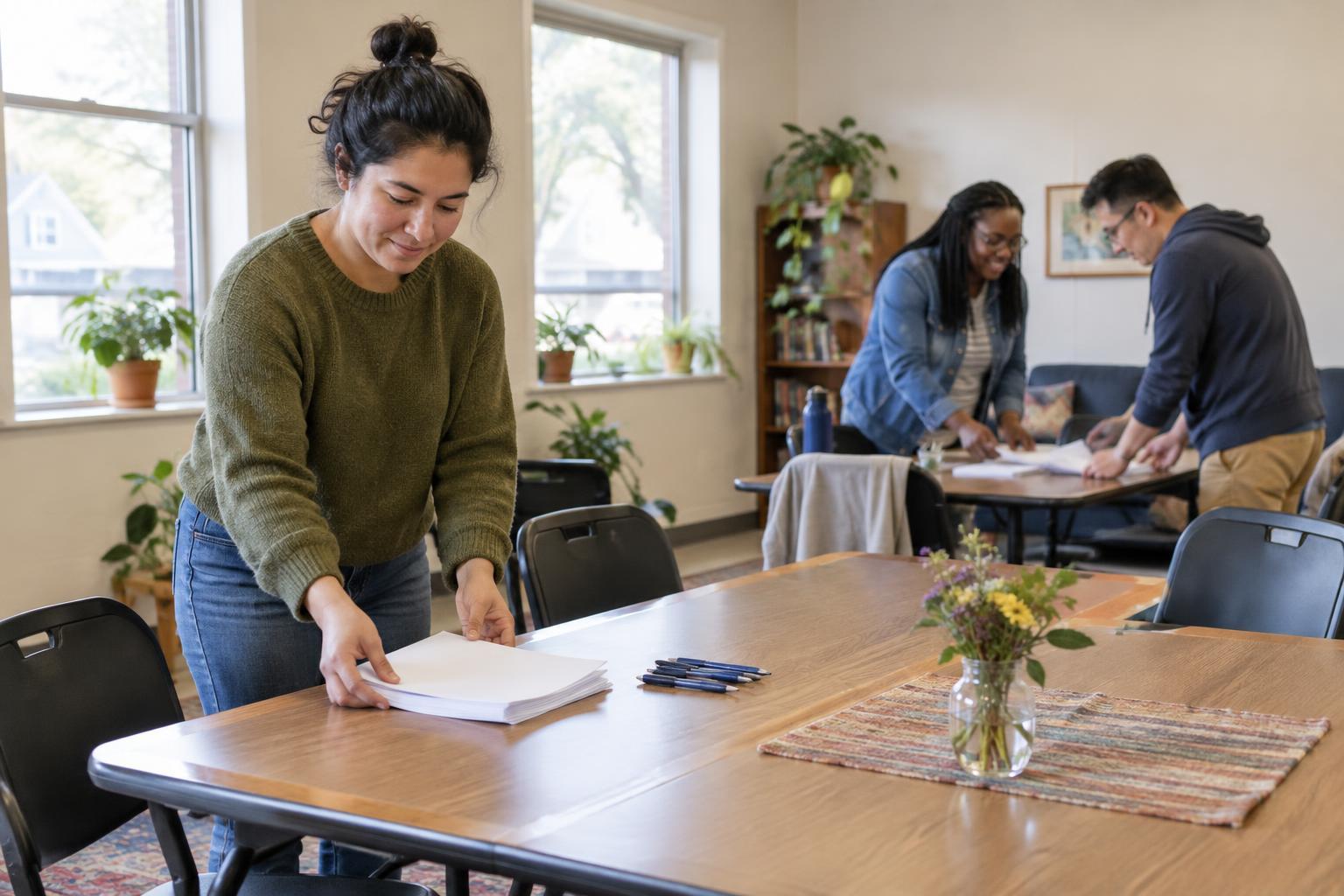
Two organizations working on the same issue can offer very different experiences. One may need people for public-facing events, while another needs help organizing supplies, maintaining equipment, planning routes, or completing quiet behind-the-scenes tasks. If you have skills from military service that you want to use, such as coordinating a team or keeping track of details, look for a role that welcomes them. If you would rather learn something unrelated, that is a valid choice too.
When you find a possible opportunity, ask what a typical session involves. Find out who explains the task, whether training is needed, what equipment to bring, and whether you can attend once before making a longer commitment. Clear answers help you picture the work and decide whether it suits you. They also give you a chance to mention any scheduling or access needs before you arrive.
Try a small step before making a promise
You can begin with one open meeting, event, or introductory shift. Treat it as a chance to learn, not a test you must pass. Notice whether the task is understandable, whether people make room for questions, and whether the pace feels manageable. A welcoming group will not necessarily be a perfect fit on the first visit, but you should be able to imagine returning.
Afterward, give yourself a little time to reflect. Did the activity hold your interest? Was the travel reasonable? Did the time required match what you expected? Did you feel comfortable with how the group communicates and makes decisions? A cause may be worthwhile even if this particular role is not right for you. You can ask about a different task, try another group, or step back without treating the experience as a failure.
Keep participation sustainable
Once you find a fit, be specific about what you can do. For example, you might offer to help at one event a month or take on a defined task with a clear end point. Put the commitment on your calendar and let the organizer know early if your availability changes. Reliability matters more than saying yes to every request.
Your interests and capacity may shift as civilian routines take shape. Check in with yourself occasionally: Is this still useful to the group and satisfying to you? Would fewer hours, a different task, or a break make participation easier to sustain? Community involvement works best when there is room for both contribution and the rest of your life. Starting small, asking practical questions, and adjusting as you go can help you build a connection that fits.