Start with what you want from your free time
A hobby can bring variety to a routine, give you something to learn, or simply offer a pleasant way to unwind. During a transition from military service to civilian life, it may be tempting to look for an activity that feels productive or that you can master quickly. It is also fine to choose something because you enjoy it. The best starting point is not a list of popular hobbies but a question: how would you like to feel after spending an hour on this?
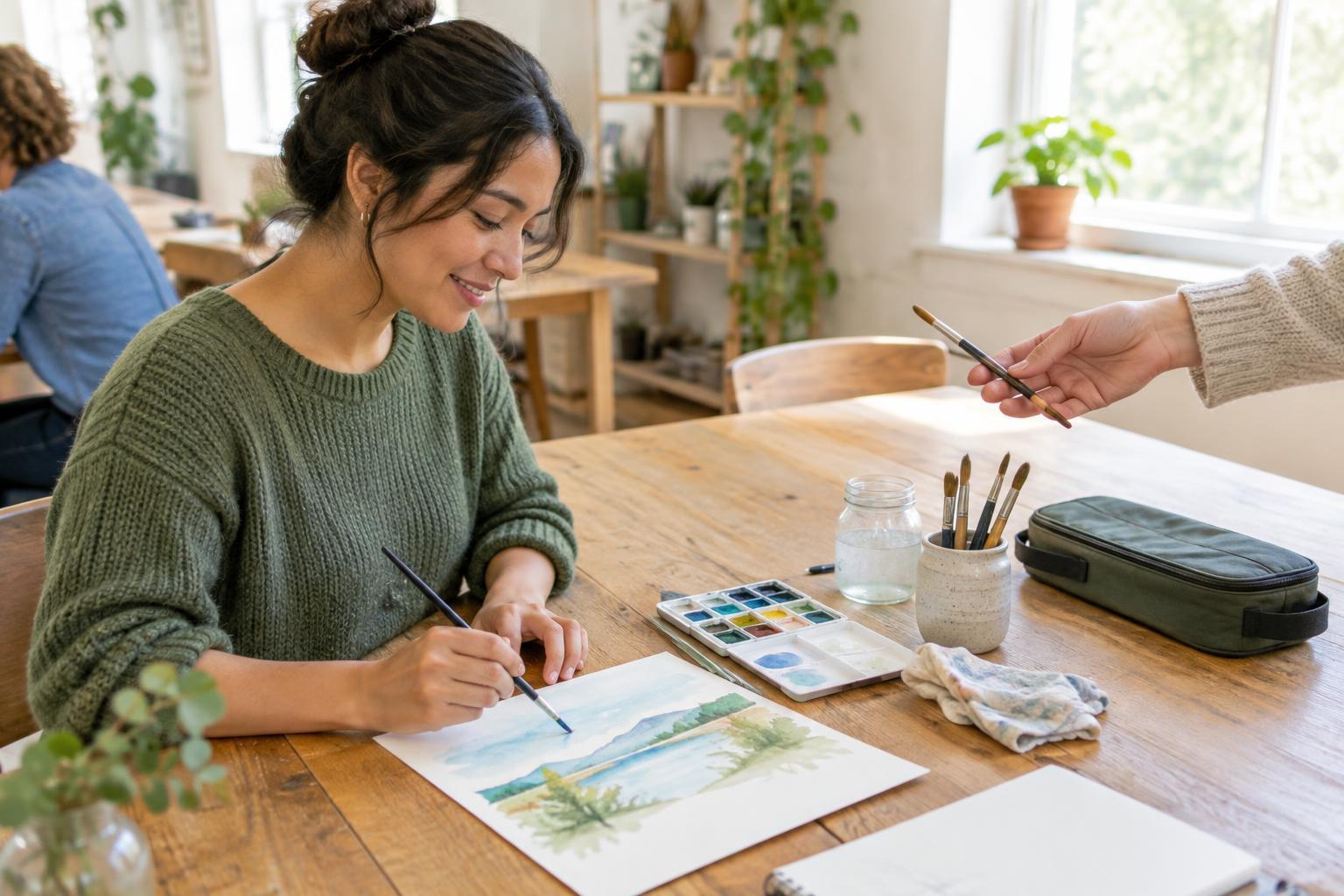
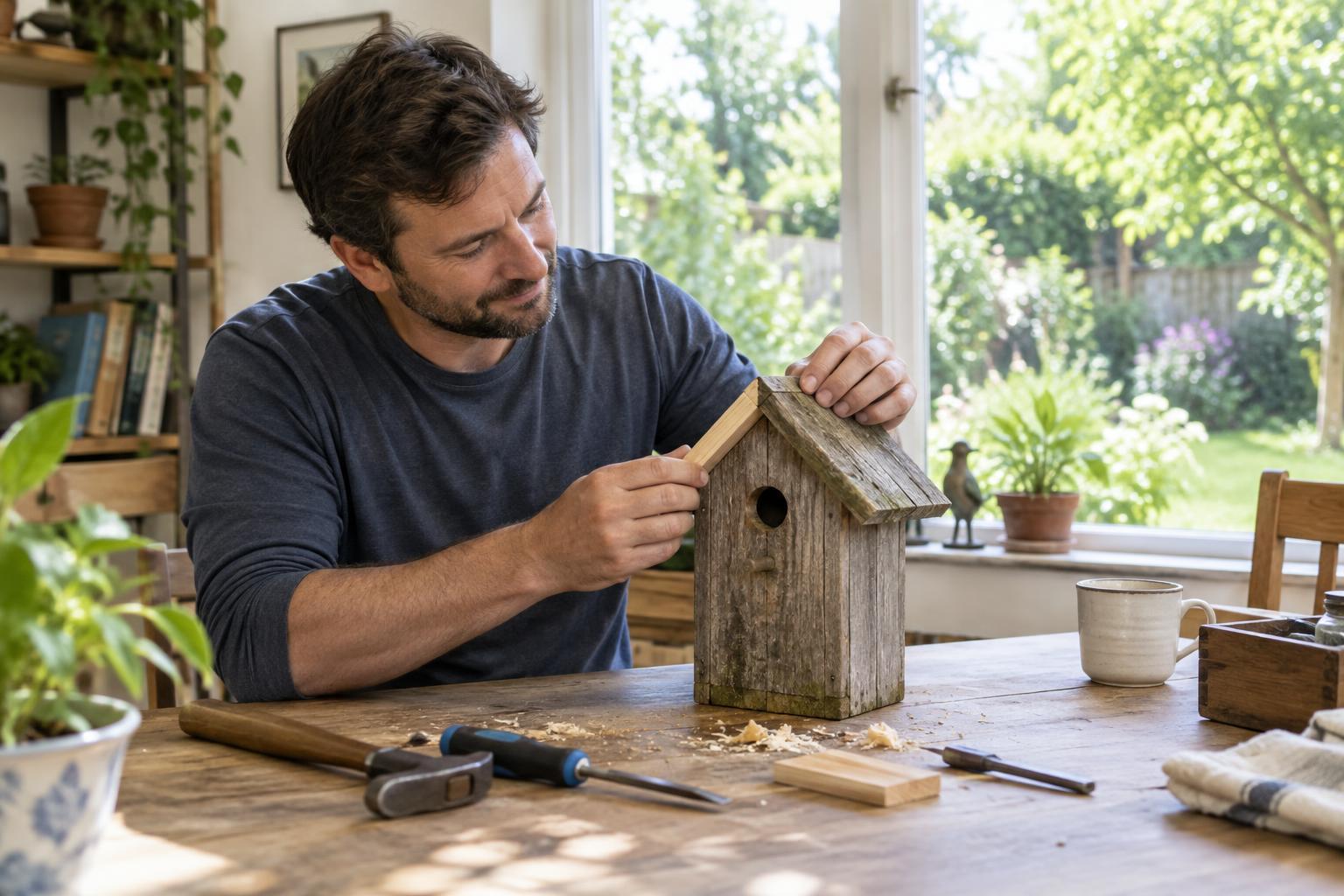
If you want quiet focus, consider sketching, reading, puzzles, or learning an instrument with headphones. If you want movement, walking, dancing, or a casual recreational sport might appeal. If you miss working alongside others, a community garden, tabletop game group, or shared craft session could be worth trying. You do not have to pick one activity that meets every need. A low-effort solo hobby and an occasional social one can serve different purposes.
Match the activity to the space you actually have
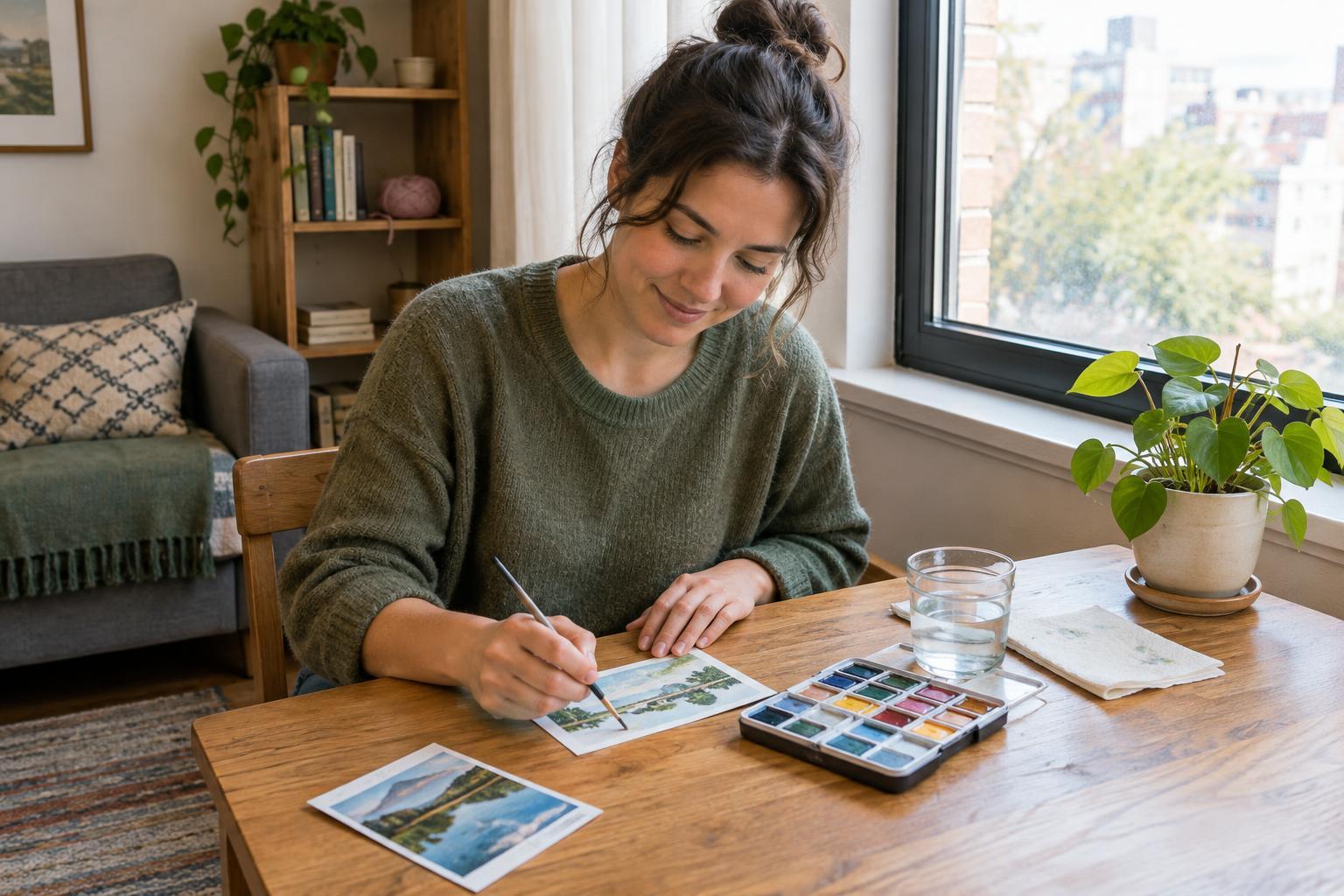
Before buying supplies, picture where you would do the activity and where its equipment would go afterward. A hobby that requires a permanent worktable may be frustrating in a shared home or a small apartment. Portable options, such as a notebook, a compact art kit, a deck of cards, or a pair of walking shoes, are easier to put away. For messier projects, think about ventilation, cleanup, and whether other people use the same space.
You can also look beyond home. A park may suit nature photography or running; a library may provide a comfortable place to read or work on a writing project; a community center may have room for group activities. Check the rules and availability before planning around a shared space. If travel is inconvenient, choose something you can begin close to home. Removing that extra step makes it easier to return to a hobby on an ordinary day, not just when conditions are perfect.
Set a trial budget before you commit
The cost of a hobby is more than its first purchase. Materials may need replacing, classes may have fees, and travel or storage can add up. Decide what you are comfortable spending to test an interest, then look for a version that fits that amount. Borrowing a book, using supplies you already own, or trying an introductory session can teach you more about your preferences than buying a full set of equipment.
Avoid assuming that expensive gear will make an activity more enjoyable. For example, a phone camera can help you explore composition before you consider a separate camera. A short walk on familiar routes can tell you whether you like walking for recreation before you plan longer outings. If you keep coming back to an activity, you can upgrade one useful item at a time. Buying gradually also gives you a clearer sense of which features matter to you.
Choose a time commitment you can repeat
Free time can be uneven, especially when work, study, family responsibilities, or a new routine are still taking shape. A hobby does not need to happen every day to count. Look for an activity with a natural stopping point: one page of writing, a short practice session, a small project, or a walk around the block. Starting with a manageable session can make the hobby feel like a break rather than another obligation.
Some activities need preparation, travel, or other people to be available. Those can be rewarding, but they may fit better as occasional plans than as the only hobby in your week. Consider pairing a scheduled activity with one you can do whenever a spare half-hour appears. If your schedule changes, adjust the plan instead of treating a missed session as failure. The point is to make room for recreation in real life.
Run a small experiment, then reassess
Pick two or three possibilities and give each a modest trial. You might try a free writing prompt, borrow a beginner guide, attend one open group session, or make a simple project with materials on hand. Afterward, ask yourself whether you enjoyed the process, not just the result. Did getting started feel easy enough? Did the activity suit your space and energy? Would you want to do it again without a deadline?
You are allowed to change your mind. An activity may sound appealing but prove inconvenient, or it may fit one season of life and not another. Keep the parts you liked and use them to guide your next choice. A hobby that fits does not have to look impressive from the outside. It only needs to be accessible enough to return to and worthwhile to you when you do.