Mistake 1: Treating the hobby like a performance goal
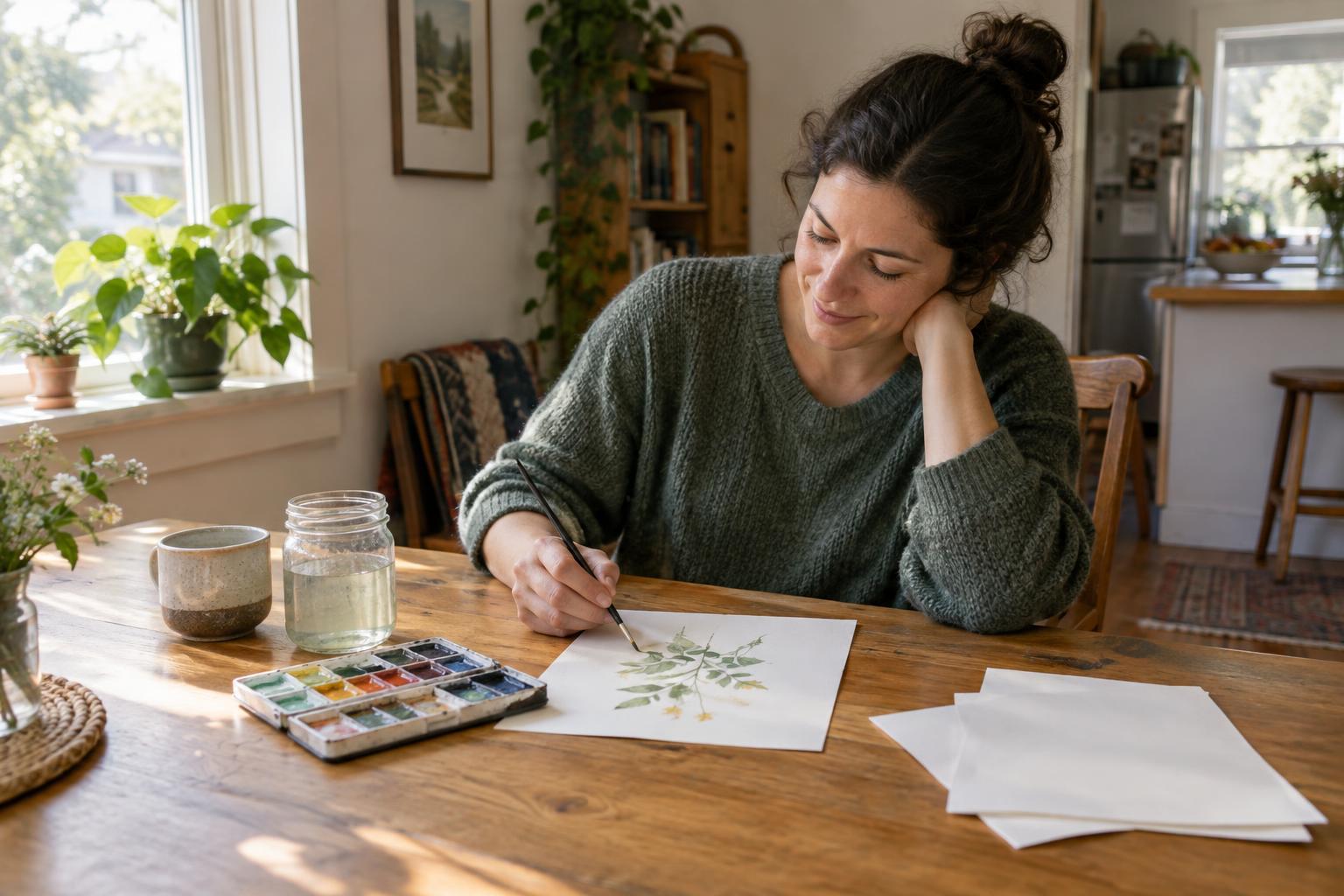
A hobby may look appealing because it offers something different from work and other responsibilities. Yet it is easy to turn a relaxing activity into another task to master. You might decide that every walk must cover a longer distance, every sketch must look polished or every song must be played correctly. Progress can be satisfying, but it is not the only reason to spend time on something.
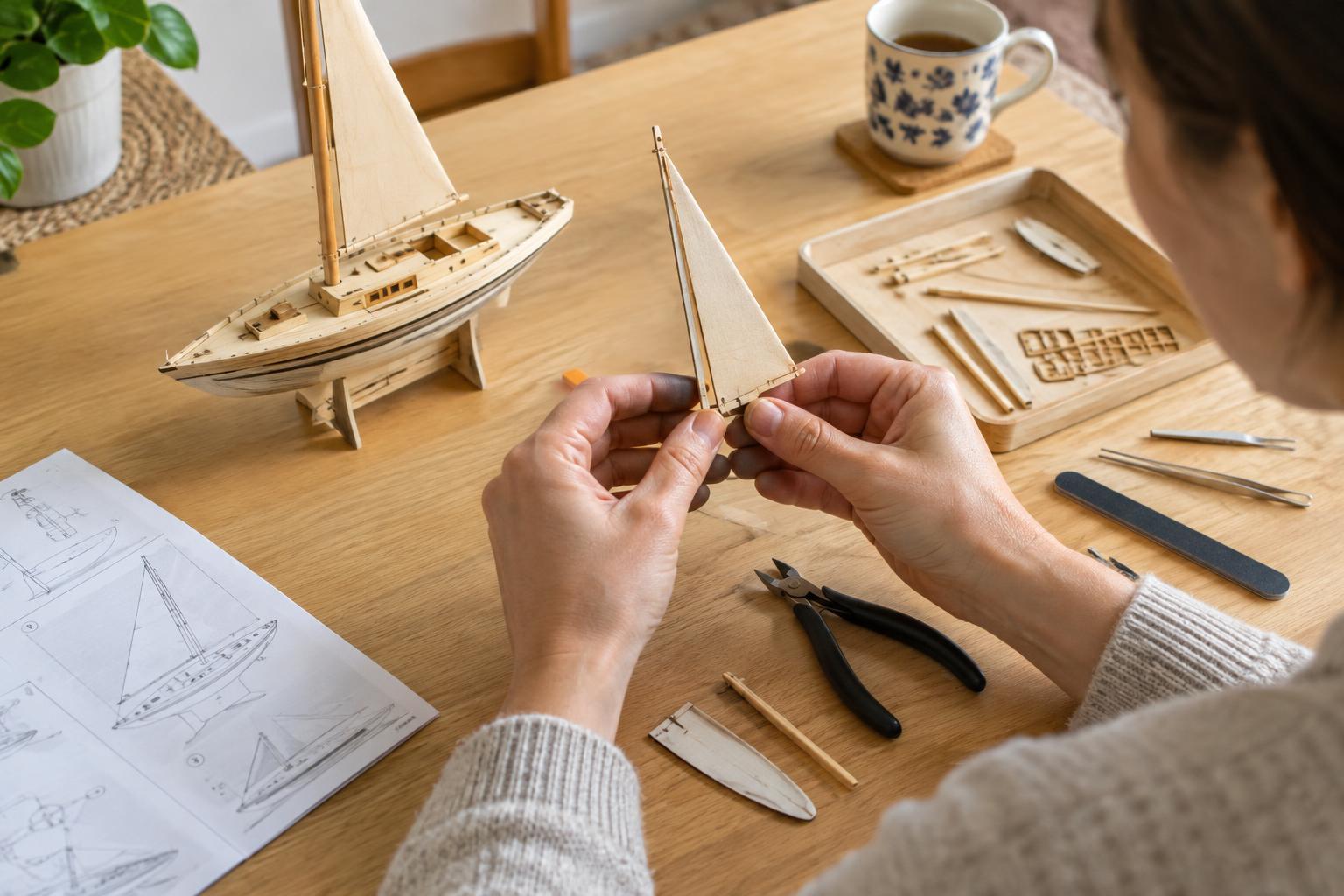
Before you begin, ask what you want from the activity right now. You might want quiet time, a chance to meet people, a practical skill or simply a reason to get outside. Let that answer guide your expectations. If you enjoy woodworking but only have time to make one small project this month, that is still time well spent. A hobby does not need a measurable outcome to earn its place in your routine.
Mistake 2: Buying for the hobby you imagine, not the one you do
New interests often come with tempting lists of equipment. It can feel as though the right supplies will make starting easier, but a large purchase can add pressure to continue even if the activity is not a good fit. It can also obscure what you actually need as a beginner. A basic camera, borrowed board game or simple set of gardening tools may be enough to learn whether you enjoy the process.
Try a low-commitment version first. Borrow or rent equipment when practical, choose an introductory session, or start with materials you already own. Set a spending limit you are comfortable with and wait until repeated use reveals a specific need before upgrading. The aim is not to avoid investing in something you love; it is to give yourself time to discover what you love about it.
Mistake 3: Choosing a schedule that cannot bend
A predictable plan can help a hobby become part of everyday life. An overly rigid plan, however, can make the first disrupted week feel like failure. Civilian routines may include changing work hours, family commitments or days when your energy varies. Even an activity you genuinely enjoy can become difficult to maintain if it requires the same amount of time every session.
Create a small version of the hobby that fits an ordinary busy day. That might mean reading a few pages instead of a chapter, practicing an instrument for ten minutes instead of an hour or tending one container plant rather than a whole garden. Longer sessions can happen when time allows. Keeping the entry point easy makes it simpler to return after a break without feeling that you must catch up.
Mistake 4: Comparing your beginning with someone else’s routine
Classes, clubs and online groups can offer ideas and encouragement, but they also make it easy to compare your early efforts with someone else’s years of practice. You may see finished projects without seeing the trial and error behind them. Comparison can be especially discouraging when you are used to being capable and experienced in other parts of your life.
Give yourself permission to be new. Choose a beginner-friendly group or tell an instructor what you have and have not tried. When sharing the activity with others, look for people who make questions feel welcome rather than treating every session as a contest. If a group is not a comfortable fit, trying another format—such as a smaller class, a casual meetup or solo practice—does not mean giving up on the hobby.
Mistake 5: Staying with an activity only because you started it
Not every hobby will suit the life you have now. You may like the idea of cycling but prefer walking, or enjoy making a meal more than following a long cooking course. Interests can also change as your schedule and priorities change. Quitting one approach is not the same as failing; it can tell you what to try next.
After a few attempts, check in with yourself. Which parts did you look forward to? Which felt like an obligation? Could a different pace, setting or group change the experience? You can keep what works, set the activity aside or choose something new. The most useful hobby is not necessarily the one you become best at. It is one that adds something worthwhile to your days and leaves you free to enjoy it on your own terms.