Start with what you want from a group
After military service, a community group can offer a regular reason to get out, meet people or contribute to a project. It does not have to replace the relationships or sense of purpose you had during service. It can simply give you a place to spend time with others while you build a routine that suits your life now.
Before searching, name one or two things you would like to do. You might want to learn a skill, work alongside others, enjoy a hobby or help with a local cause. Think about the kind of setting you prefer, too: a small group or a busy event, conversation or hands-on activity, a weekly commitment or an occasional visit. These preferences are more useful than a vague goal to “get involved.” They also make it easier to pass on groups that sound worthwhile but do not fit your schedule or energy.
Look in several places, not just one
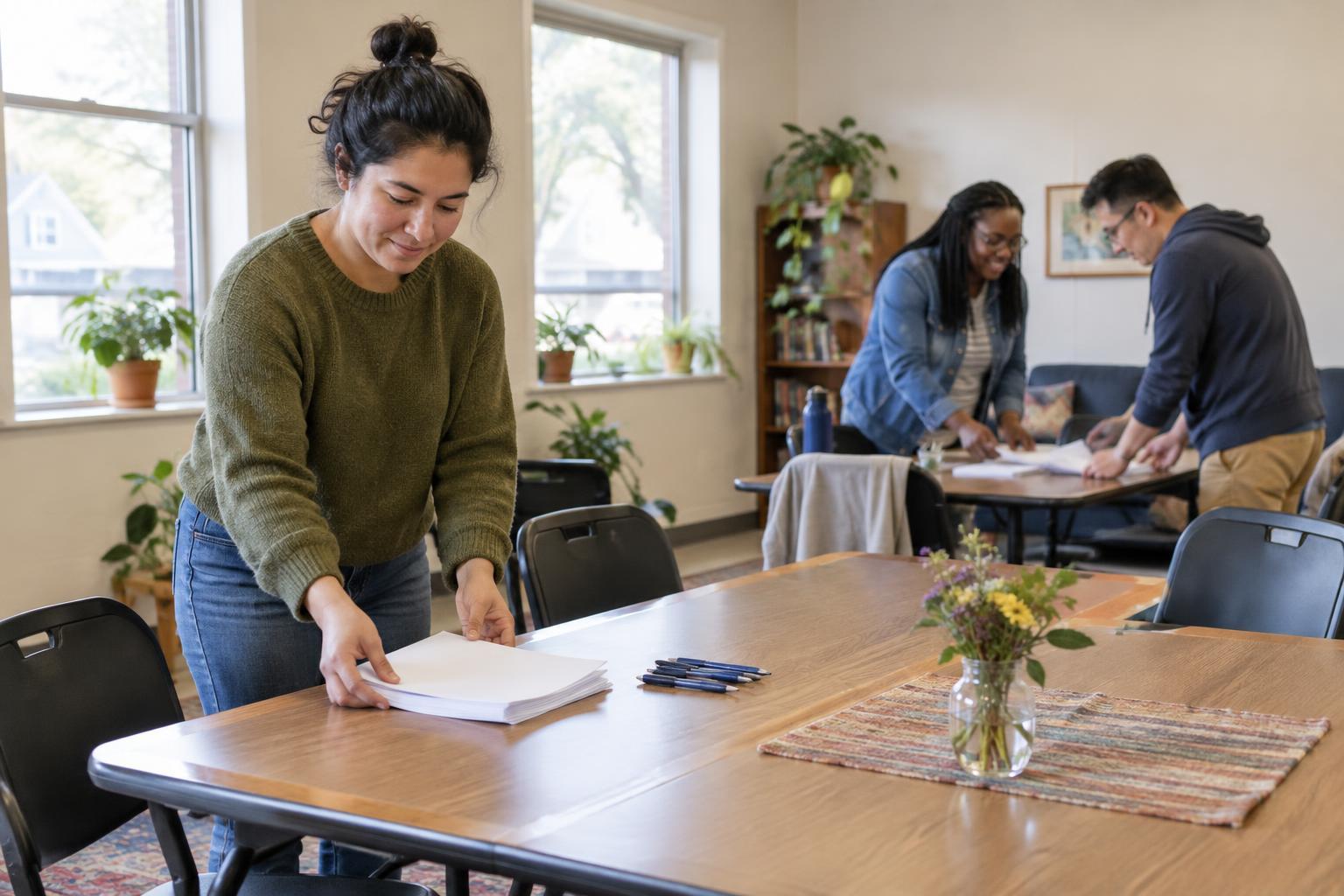
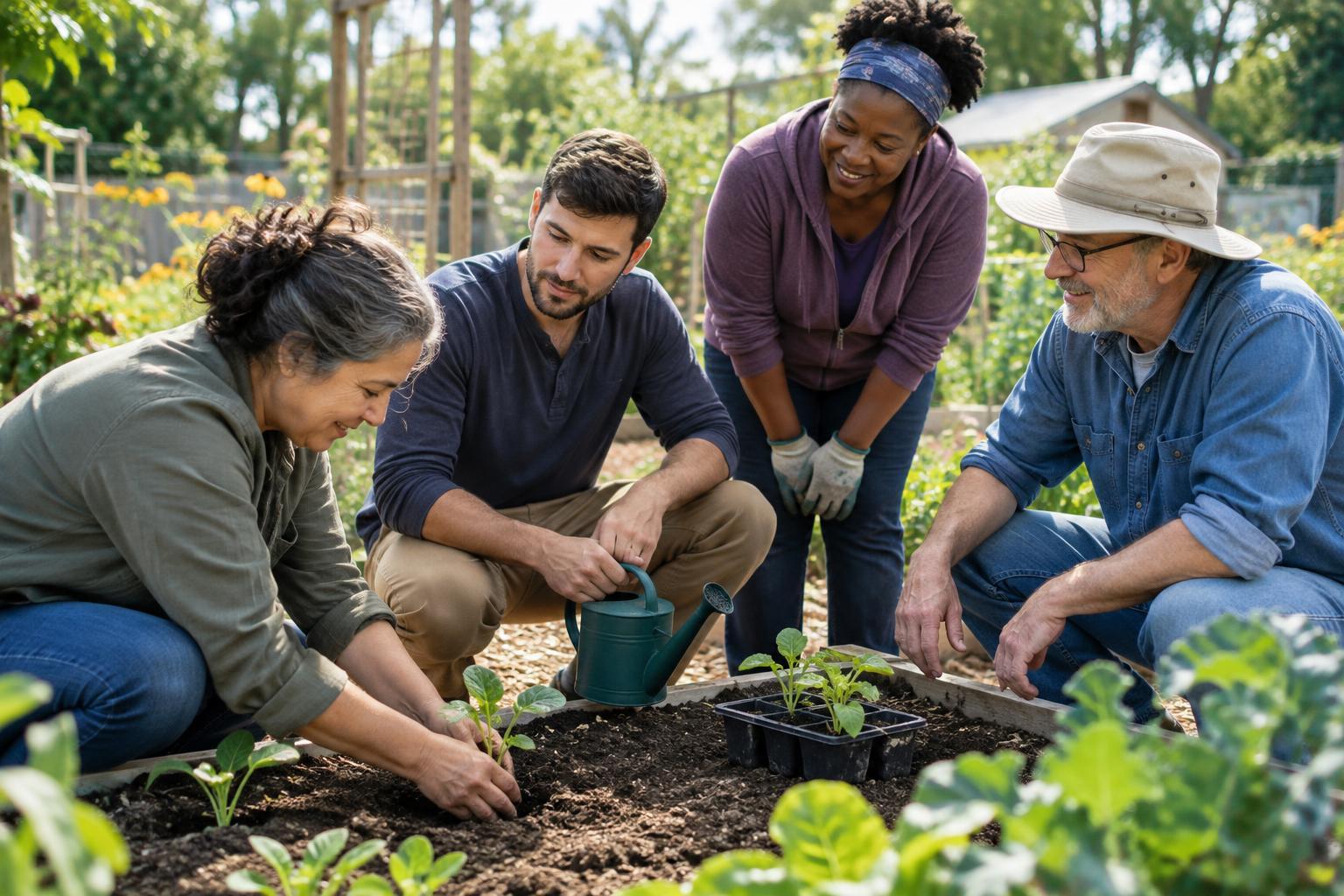
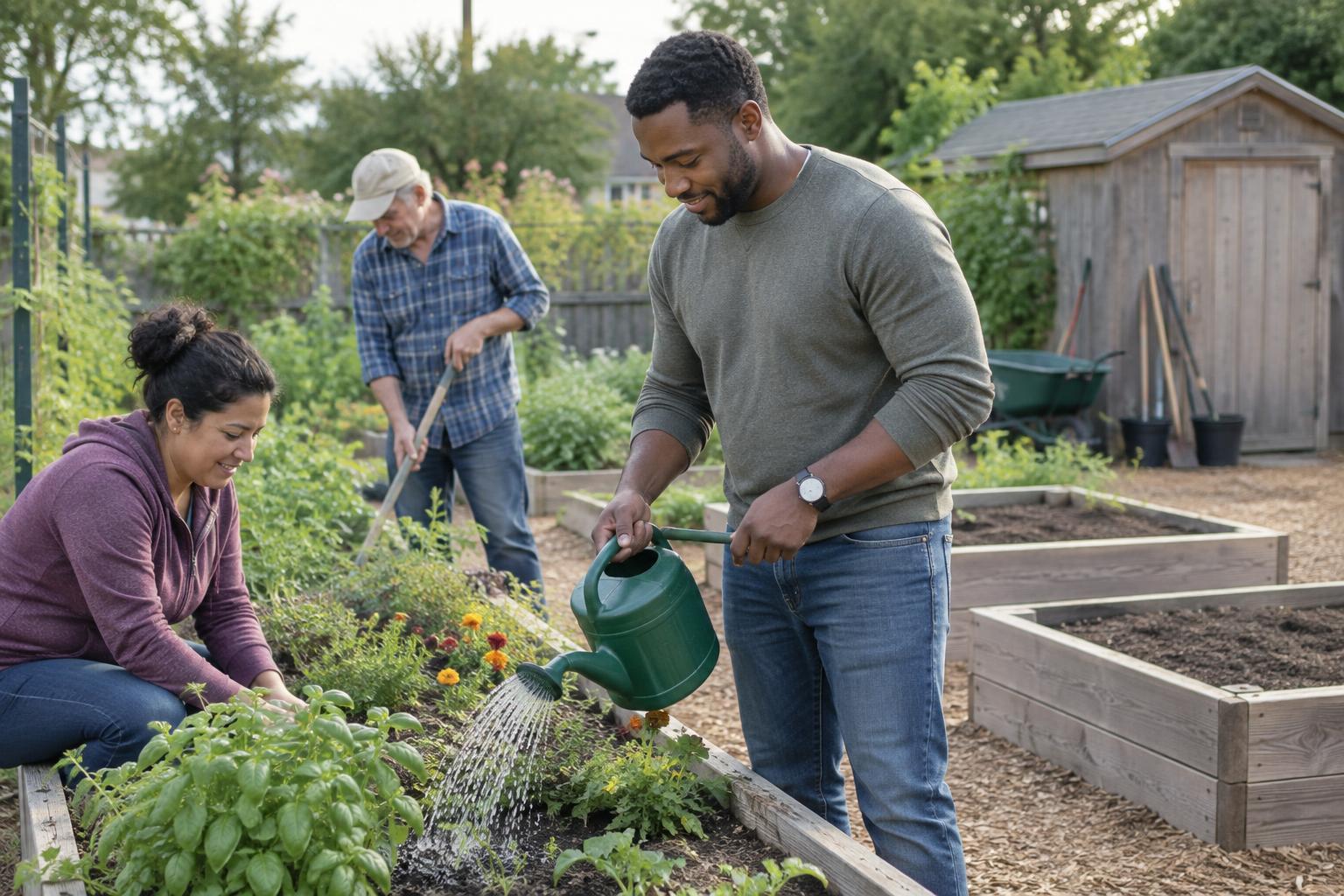
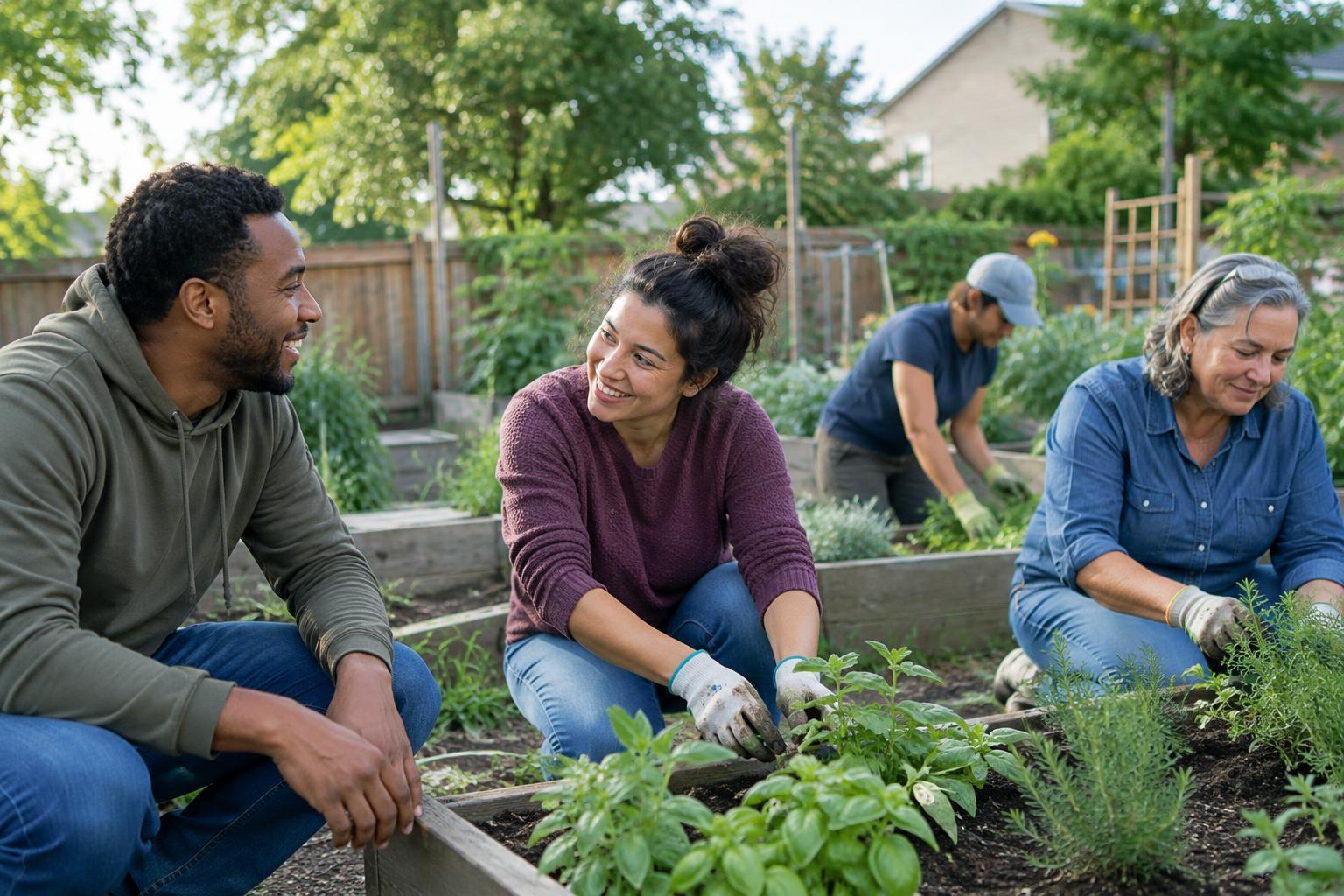
Start with places that already connect people nearby. Public libraries and community centers may have noticeboards, calendars or staff who can point you toward local activities. Parks, recreation programs, adult learning centers and neighborhood associations are other places to check. If you have a particular interest, look for a group built around it, such as a walking club, community garden, amateur music group, makerspace or volunteer team.
Online community calendars and local group pages can help you gather options, but check the details before making a trip. Confirm the meeting time, location, cost, accessibility and whether newcomers need to register. If information is missing, a short message is enough: “I’m interested in attending. Is the next meeting open to new people, and is there anything I should bring?” You do not need to explain your service history to ask.
Groups specifically for former service members may appeal to you, and groups with no military connection may be just as welcoming. Consider both. A shared background can make introductions easier, while a shared activity can give everyone something immediate to talk about.
Make the first visit manageable
Treat a first visit as a chance to observe rather than a decision to join. Choose an event with a clear start and end time, and plan how you will get there and leave. If arriving alone feels awkward, ask the organizer what usually happens when someone new comes in. Some groups can introduce you to a host; others may have an activity you can join without much conversation.
Give yourself a simple aim, such as learning two names or finding out what the group does between meetings. You can share as much or as little of your background as you wish. “I’m new to the area” or “I’m looking for something to do on weekends” is enough of an introduction. If someone asks about military service and you would rather not discuss it, it is fine to steer the conversation back to the group’s activity.
One quiet or awkward meeting does not tell you everything about a group, but you do not owe it repeated visits either. Notice whether people explain what is happening, make room for newcomers and respect boundaries. Those details often matter more than whether the first conversation flows easily.
Choose a level of commitment that fits
Before volunteering for a role, ask what participation involves. A group might meet monthly but rely on members for preparation, messages or extra events. Find out what is optional, what costs money and how much notice is expected if you cannot attend. This is especially useful if your work, family responsibilities or energy vary from week to week.
A low-pressure activity can be a good starting point. Attending an open meeting, helping with a single project or taking part in a short class lets you learn the group’s rhythm before committing further. You may discover that you enjoy being a regular participant rather than an organizer. Contributing does not have to mean taking charge.
It is also reasonable to try more than one group. One may offer companionship, while another gives you a creative outlet or a chance to serve your neighborhood. If a group is not a fit, you can thank the organizer and move on without treating the experience as a failure.
Let connection develop over time
Familiarity usually grows through small, repeated interactions: showing up, working on a task together and remembering what someone mentioned last time. If you enjoy a group, put the next meeting on your calendar before you leave. A brief follow-up message can help, too, especially if you need details about the next activity.
Keep your expectations flexible. Some groups become a source of friendship; others remain a pleasant part of your weekly or monthly routine. Either can be worthwhile. The goal is not to find a perfect community on the first attempt. It is to find places where your interests, availability and comfort level have room to grow.