Start with what the library already offers
A library can be more than a place to borrow books. Many libraries host discussions, workshops, hobby groups or community events. For someone building a new civilian routine after military service, these activities can offer a simple way to spend time around neighbors without committing to a large organization. You do not need a particular background or a polished plan to walk in and look around.
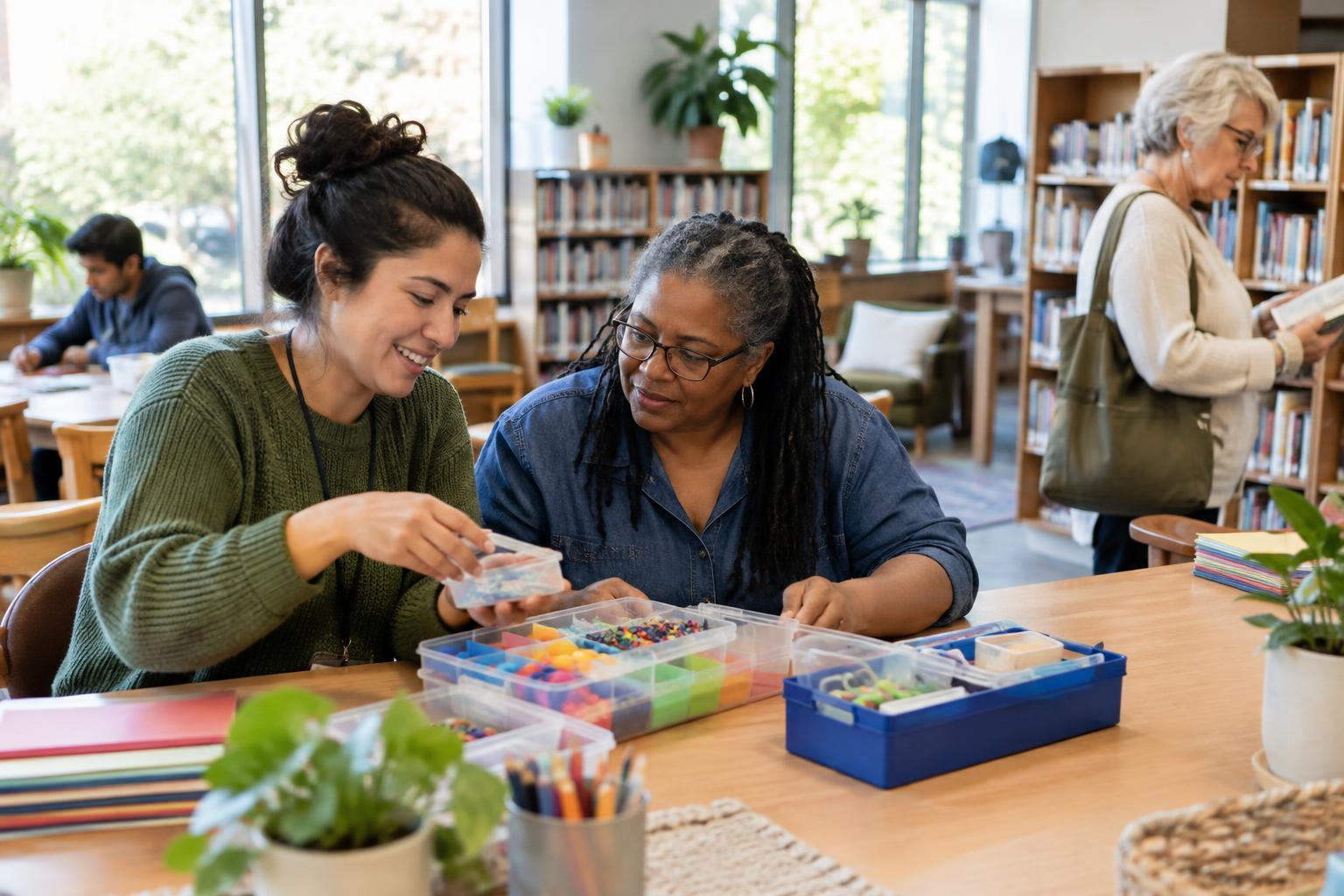
Begin with the library’s event calendar, a noticeboard or a conversation at the service desk. Look for one activity that fits an interest you already have, whether that is local history, writing, technology or a craft. Libraries differ, so ask about registration, costs and whether an event is intended for beginners. A short visit to an exhibit or an open event can be an easier first step than joining a recurring group.
Choose a level of participation that feels manageable
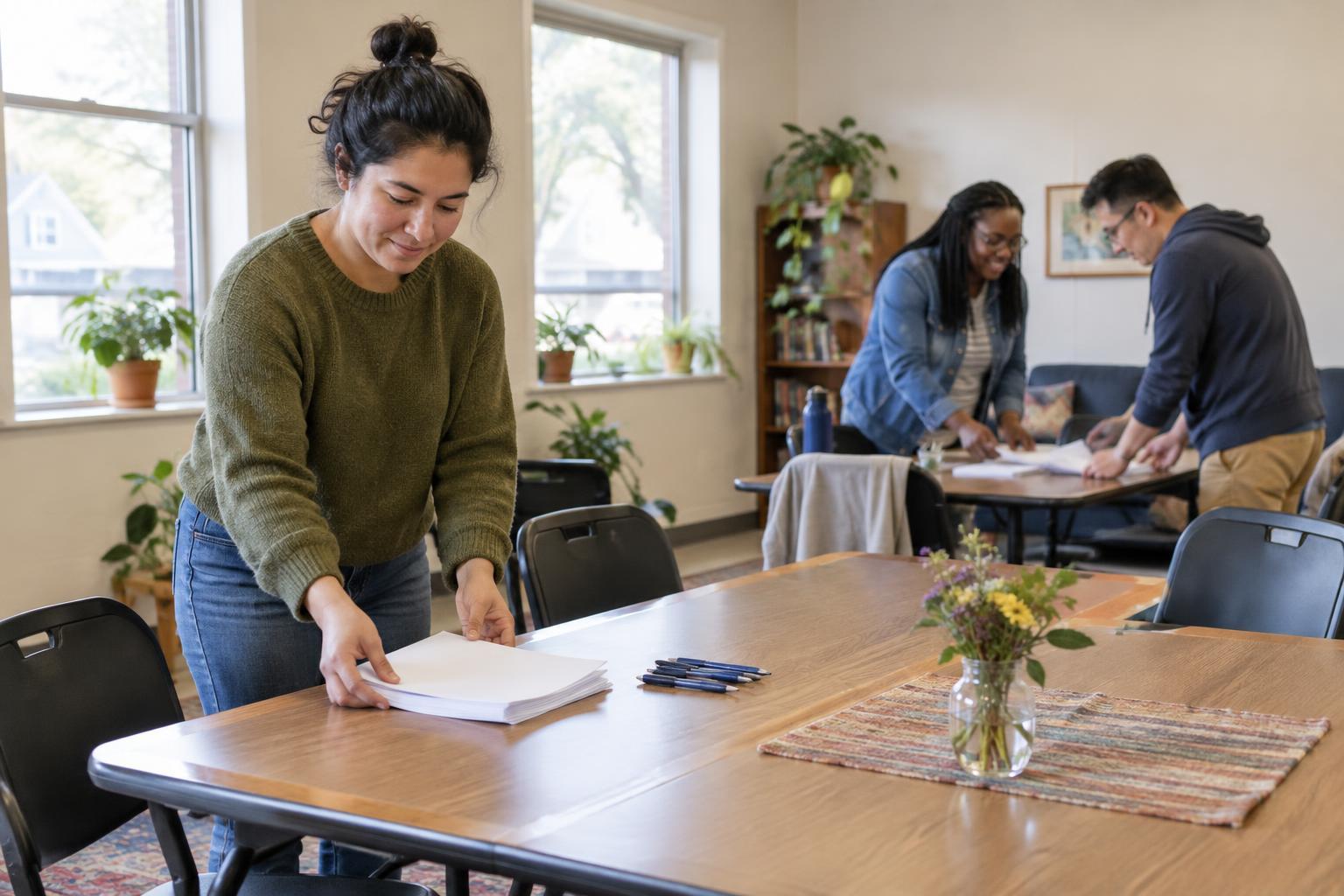
Community participation does not have to mean introducing yourself to everyone in the room. You might first attend a talk and listen, then return for a smaller discussion if the setting feels comfortable. Showing up regularly can make a place familiar even before you form new friendships. If you prefer a specific task, a workshop may feel more natural than an unstructured social gathering.
Give yourself permission to try an event once without deciding whether it will become part of your routine. Note the practical details that affect your experience: travel time, parking or transit, seating, noise and the length of the program. If you have an access need, contact the library ahead of time to ask what arrangements may be available. Choosing an activity that works for your energy and schedule makes it easier to return.
Share skills without making them your whole story
Service can build habits such as planning, teaching, coordinating people and keeping a project moving. Those skills may be useful in a community setting, but participation does not require you to explain your service or take charge. You can contribute as a neighbor who knows how to organize supplies, welcome newcomers or help a group stay on track. You can also set aside familiar roles and learn something entirely new.
If you enjoy helping others learn, ask staff whether the library accepts proposals for talks or group activities. A narrow, practical idea is often easier to discuss than a broad offer to “help with anything.” For example, you might suggest a beginner session on organizing a home project or invite others to practice a hobby you enjoy. Staff can tell you what fits their programming, what preparation is involved and whether they have another way for you to contribute.
Explore volunteering with clear expectations
Some libraries have volunteer opportunities, while others work through friends groups or partner organizations. Roles might involve event support, shelving, book sales or outreach, depending on local needs. Before signing up, ask what the role includes, how often help is needed and who will be your point of contact. Some positions may involve an application or training, so it helps to learn the process before making a commitment.
Start with a schedule you can sustain rather than the maximum number of hours you could manage in one week. A defined shift or one-time event can help you learn whether the work is a good fit. If volunteering is not available, attending programs, offering thoughtful feedback or telling a neighbor about an event can still support the library’s place in the community. Participation comes in more than one form.
Turn an occasional visit into a useful routine
A steady connection often grows from small, repeatable steps. Pick one day to check the upcoming calendar, put an interesting event on your schedule and prepare what you need to get there. Afterward, ask yourself whether you enjoyed the activity, the people, the setting or simply having somewhere to go. That answer can guide your next visit more effectively than a goal to become involved everywhere at once.
It is fine if your interests change. You might attend a discussion group for a month, then switch to a makerspace activity or a local history event. The library can be a place to explore those choices without turning every visit into a major commitment. Over time, recognizing a few faces and knowing where to find activities may help a new neighborhood feel more familiar.