What geocaching is
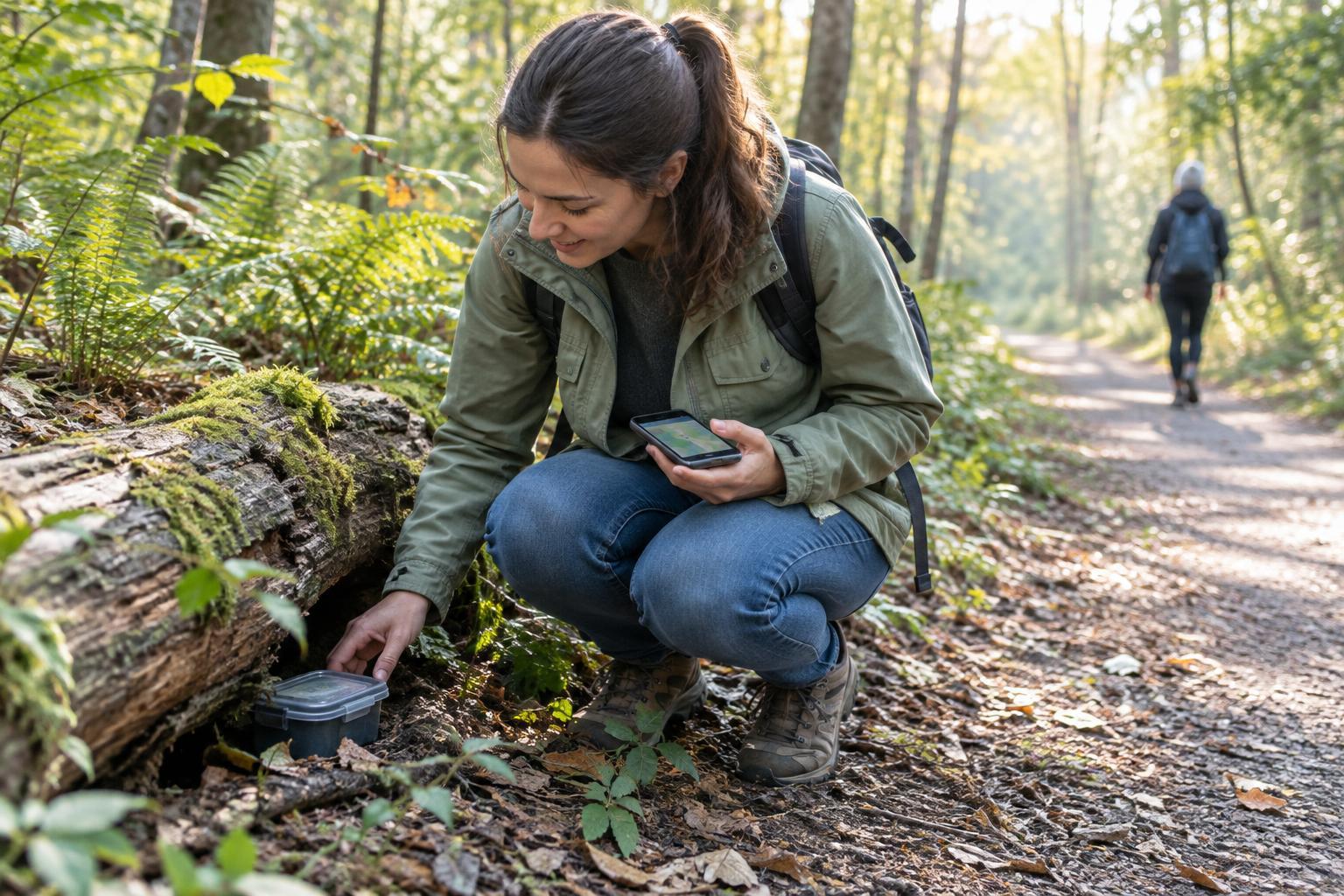
Geocaching is an outdoor activity in which people use a phone or GPS device to look for hidden containers called caches. A cache listing provides coordinates and usually a description of the area. The aim is to reach the location, search for the container and record the find. It can add a little purpose to an ordinary walk without requiring specialist outdoor skills.
Containers range from tiny ones holding only a paper log to larger boxes that may contain small items for exchange. Locations also vary: one might be near a path in a public park, while another could involve a longer walk. The coordinates bring you close, but they may not point to the exact hiding spot. Paying attention to the listing and looking carefully are part of the puzzle.
Choose a manageable first cache
Start by browsing cache listings for an area you already know. Read the full description rather than choosing solely by distance. Listings commonly include information about container size, difficulty, terrain and access. For a first outing, look for a straightforward search on easy ground, with a description you can understand and enough time to visit without rushing. Check whether the location has opening hours or other access restrictions.
Recent visitor notes can help you decide whether a search sounds suitable, though they cannot guarantee that a container is still in place. If the listing suggests a steep path, dense vegetation or a lengthy search, save it for another day. The goal of a first trip is to learn the routine, not to complete the hardest challenge nearby. Going with a friend can make the search more sociable, but a simple local cache can also be an enjoyable solo outing.
From coordinates to container
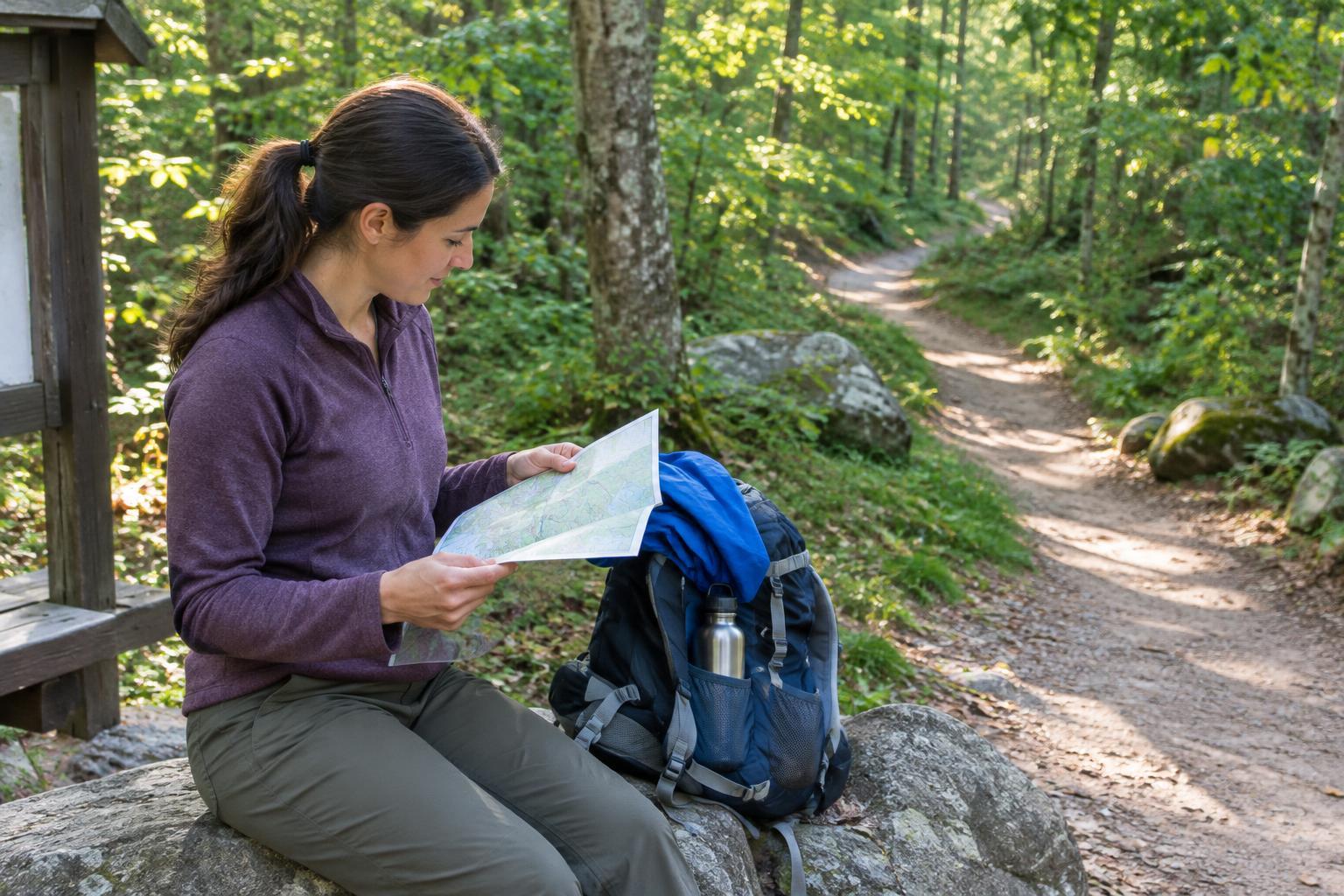
Before setting out, make sure your device has enough battery and that you can view the listing where you are going. Bring a pen, since a cache may not have one, along with water and anything you would normally take for the weather and route. Once you arrive near the coordinates, slow down and read any hints. GPS positions can vary, particularly around buildings or trees, so use the surroundings and the listing together rather than expecting the screen to identify one exact spot.
Search with your eyes before moving anything. A container might be tucked into an ordinary-looking place, but finding it should not require damaging plants, dismantling a structure or entering a restricted area. Respect signs, property boundaries and other people using the space. If you cannot find the cache after a reasonable look, it is fine to stop. A missed find is a normal part of the activity, not a reason to take risks or disturb the site.
Log the find and leave it ready for others
When you find a cache, open it carefully and sign the paper log if there is one. If it contains small items, follow the listing’s instructions and leave something appropriate if you take something. Avoid food, perishables or anything that could cause problems for the next finder. Put the contents back securely, close the container and return it to the same hiding place. That last step matters: a cache left visible may be removed or spoiled for future visitors.
You can then record your visit through the service where you found the listing. A short note about the search is enough; avoid revealing the exact hiding spot in a public log. If the paper is wet, the container is broken or the cache appears to be missing, mention that in your log so its owner has useful information. If you do not find it, record that honestly rather than claiming a find.
Make the activity fit your routine
Geocaching does not have to become an all-day expedition. You might look for one cache on a familiar walking route, try a new park on a free afternoon or invite someone along for a shared puzzle. For people building new civilian routines after service, its appeal may be the combination of movement, observation and a small, achievable objective. There is no need to turn every outing into a performance measure.
Keep the basics simple: choose a suitable listing, check access, search respectfully and leave the place as you found it. Over time, you will learn which kinds of locations and puzzles you enjoy. The best first outing is one that leaves you comfortable exploring another.