Start with curiosity, not equipment
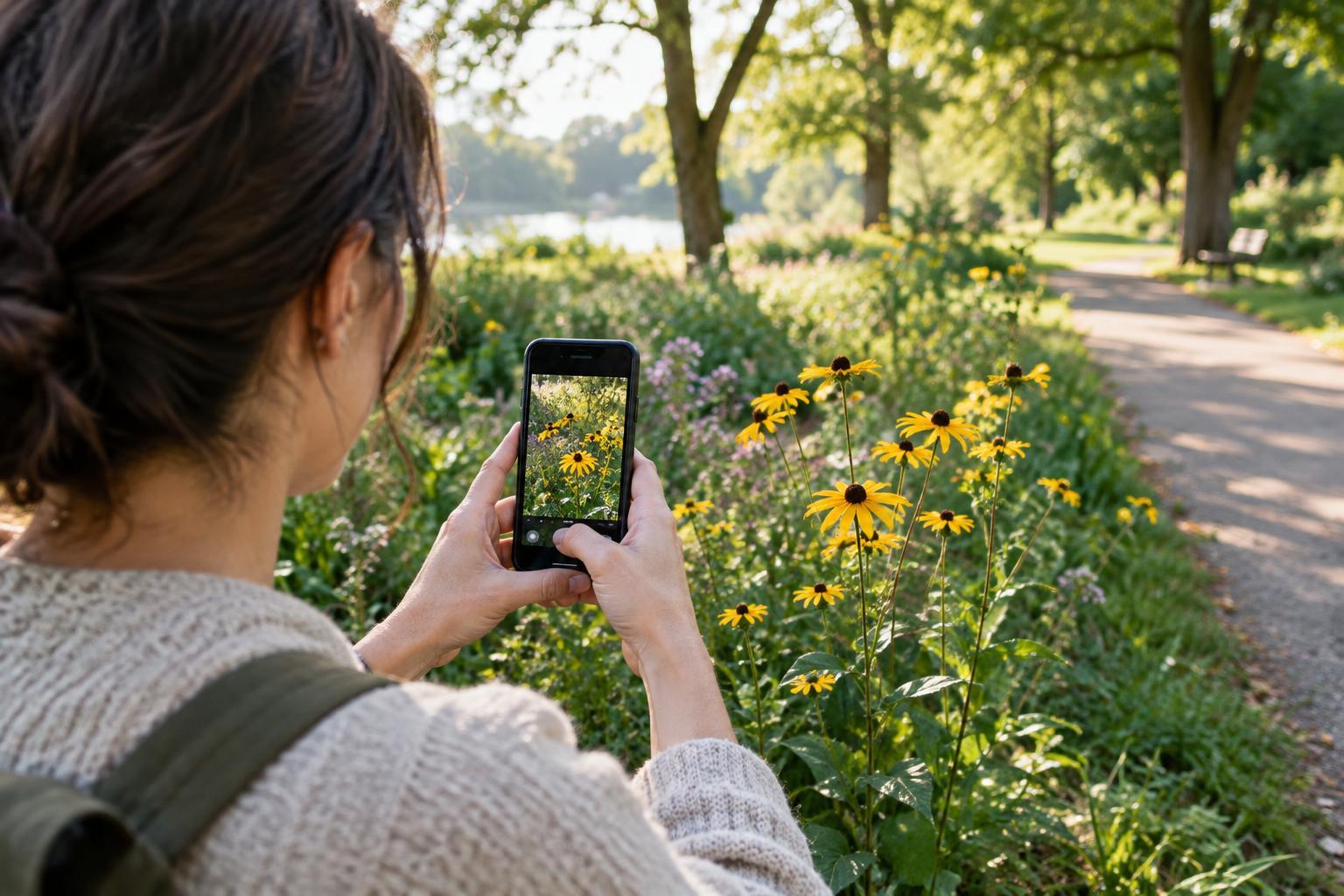
Smartphone photography is a hobby you can begin with a camera you already carry. You do not need a special destination or a collection of accessories. A cup on the kitchen table, a pattern of shadows on a sidewalk, or a tree you pass every day can give you something to photograph. The first goal is not to make an impressive image. It is to notice what catches your eye.
If you are adjusting to a different daily routine after military service, a small creative activity can offer a reason to explore at your own pace. Try taking a short walk with no requirement to come home with a good picture. Choose one subject that interests you and photograph it from several positions. Looking for small differences in angle and background is useful practice, even if you delete every shot.
Learn a few camera basics
Before changing settings, clean the phone’s camera lens with a soft cloth. Then open the camera app and practice tapping the screen on the part of the scene you want to appear sharp. On many phones, tapping also changes the brightness; the exact controls vary by device. Try making one image brighter and another darker to see how each feels.
Good light often matters more than complicated settings. A window can provide gentle light for an indoor subject. Outdoors, notice how a scene changes when you move into shade or wait for a cloud to pass. If the sun is behind your subject, decide whether you want a dark silhouette or a clearer view of the person or object. Experimenting with these choices will teach you more than memorizing a list of rules.
Hold the phone steady, particularly in dim light. Bracing your elbows against your body or resting the phone on a stable surface may help. Take a second picture when you are unsure; comparing two attempts is part of learning.
Make stronger pictures by simplifying
A useful question before you press the shutter is, “What is this picture about?” If the answer is a bright flower, a friend’s dog, or a striking doorway, give that subject room to stand out. Move closer when it is safe and appropriate, or shift your position to remove a distracting sign or cluttered background. Your feet are often a better tool than digital zoom.
Try placing the subject in the center for one shot and off to one side for the next. Neither arrangement is automatically better. Lines such as paths, fences, and edges of buildings can guide the viewer’s eye through a frame. You can also look for repeated shapes or contrasting colors. Practice with one idea at a time rather than trying to use every technique in every picture.
Photographs of people bring an additional consideration: ask before taking or sharing a recognizable picture, especially in private or sensitive settings. Respecting someone’s answer is more important than getting the shot.
Give yourself an easy practice routine
A small project can make the hobby easier to revisit. You might photograph one color during a weekend walk, record changing light in the same room, or collect images of interesting textures. These prompts offer direction without turning a leisure activity into another obligation. If you miss a day or lose interest in a theme, choose a new one.
After taking pictures, spend a few minutes reviewing them. Pick one you like and ask what works: the light, the timing, the subject, or something unexpected. Then choose one you would take differently. This is more helpful than labeling a whole batch good or bad. You can keep your favorites in a dedicated album so they are easy to find without needing to organize your entire photo library at once.
Share, print, or keep the experience to yourself
Your photographs do not need an audience to be worthwhile. They can be a personal record of places you have noticed and skills you have practiced. If you enjoy sharing, consider sending a few pictures to a friend, joining a casual photo walk, or swapping a simple photo prompt with someone else. It is fine to ask for specific feedback, such as which image has the clearest subject, rather than a general verdict on your ability.
If you post pictures online, check the frame for details you may not want to share, such as addresses, name tags, or other people’s faces. Some phones and services may also attach location information to images, so review your sharing settings if that concerns you. Whether your pictures stay private or become a way to connect with others, the hobby can grow from the same simple habit: notice something, make a picture, and see what you learn.