Start with the kind of experience you want
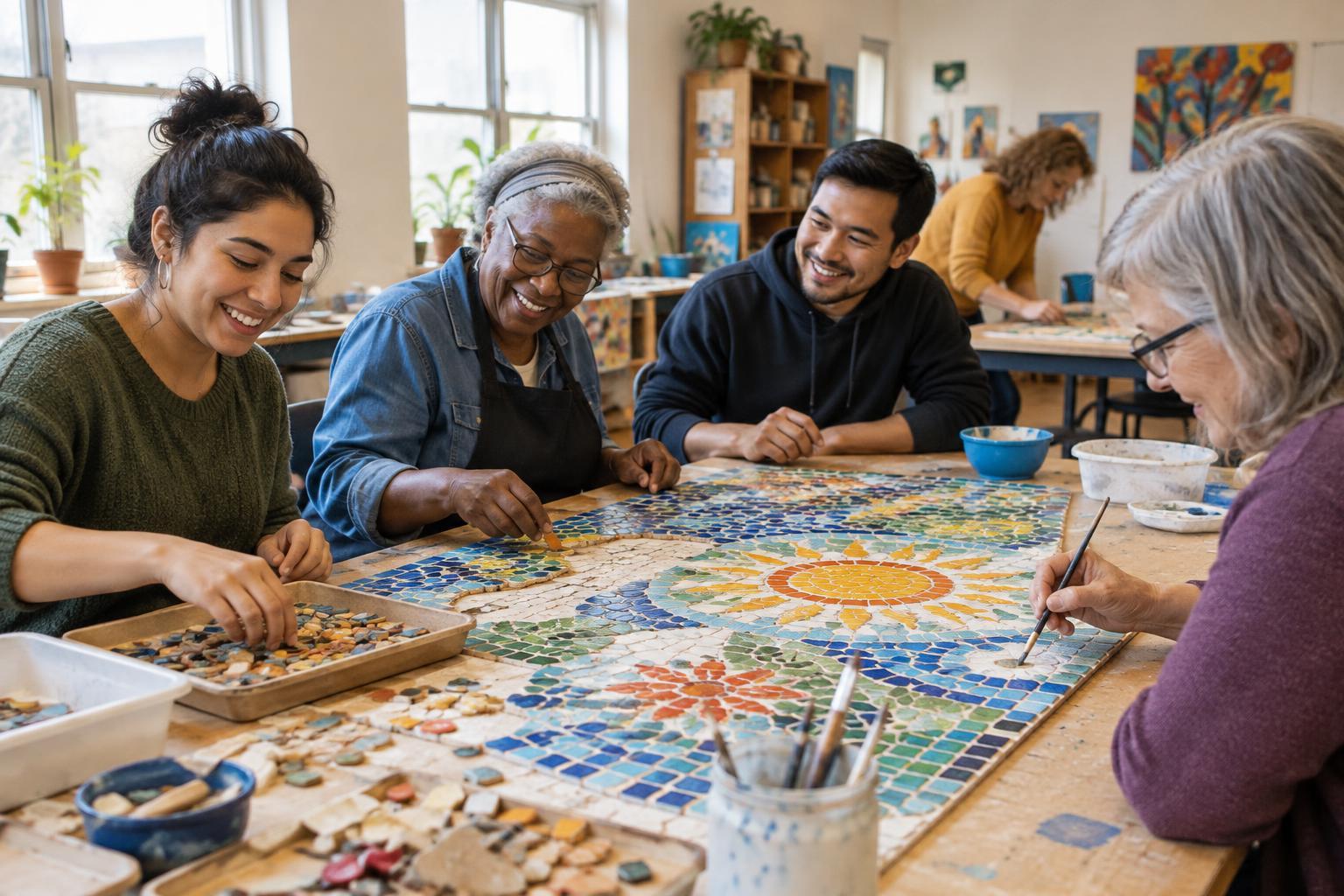
A local arts project might be a community mural, a neighborhood photography display, a library storytelling event or a group making decorations for a public gathering. Some projects aim to produce a finished piece; others focus on bringing people together through the process. If you are adjusting to civilian routines after military service, a project with a clear meeting time and a shared task may provide an easy way to take part in community life. There is no need to make that transition the subject of your work unless you want to.
Before looking for a project, consider what would make participation comfortable. Do you prefer working with your hands, talking with a small group or helping behind the scenes? Would a one-day activity be easier to try than a weekly commitment? Your answers can guide you toward a starting point without requiring you to know which art form you like best.
Find a project and ask what beginners can do
Public libraries, community centers, local arts spaces and neighborhood groups are useful places to look for open activities. Notice whether a listing says that supplies are provided, whether there is a fee and whether people need to register. If those details are missing, a short message can help: “I’m new to this. Is there a way to participate without prior experience, and what should I bring?” Asking is more reliable than assuming an event is either too advanced or entirely informal.
It also helps to ask what the session will be like. Will someone demonstrate the task? Can you observe before joining in? Is the space likely to be noisy, crowded or outdoors? If transportation, physical access or timing matters to you, check those details early. A welcoming project should be able to explain its basic expectations, even if it cannot accommodate every preference.
Remember that making art is only one role
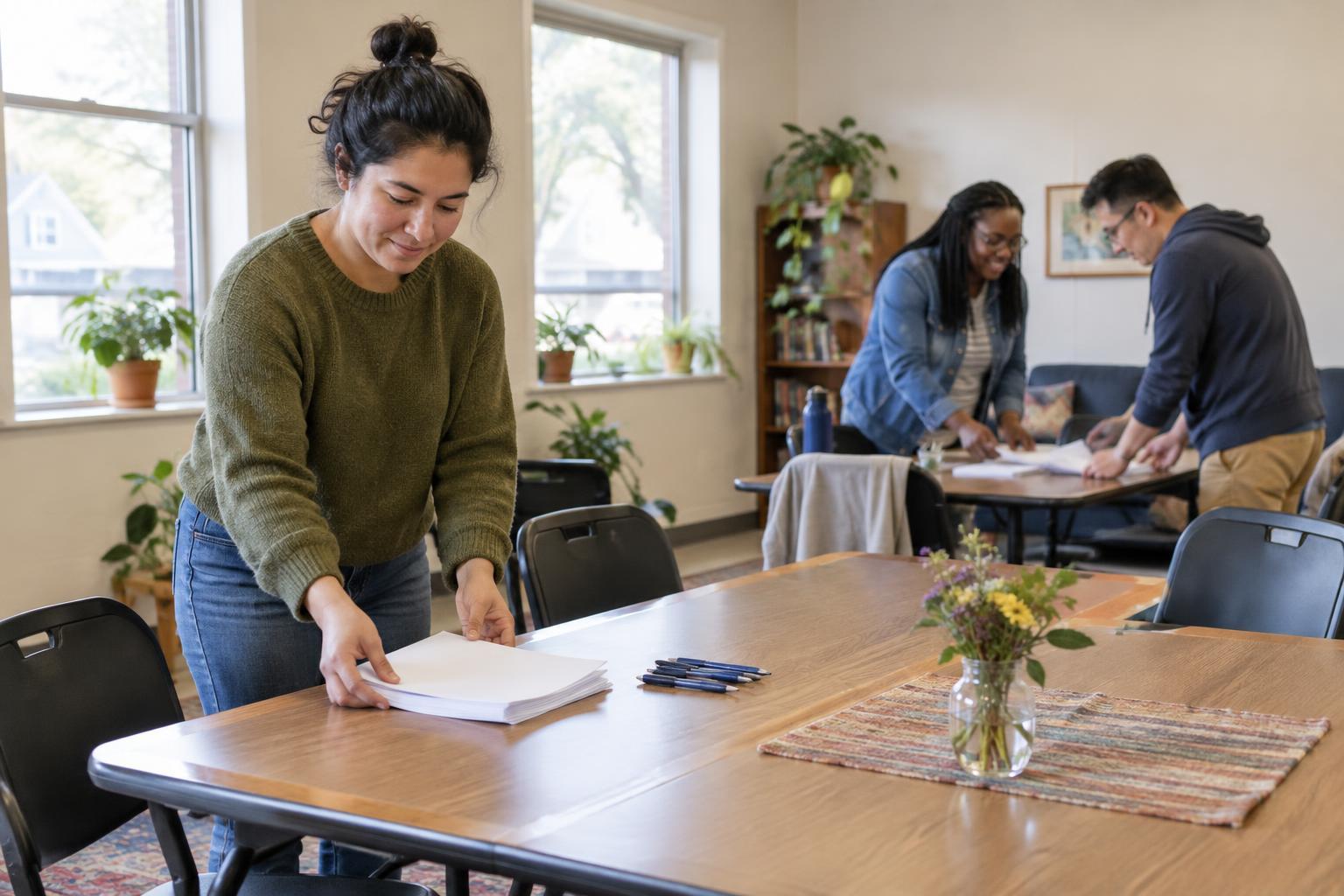
Arts projects often need more than people who paint, perform or write. Someone may set up tables, sort materials, welcome visitors, label photographs, carry supplies or help keep a shared workspace organized. These tasks make the project possible and can give you a low-pressure way to learn how the group works. Skills developed in service, such as coordinating tasks or noticing what needs attention, may be useful here, but you do not have to take charge.
If you want to try a creative task, choose one small part. You might add a few words to a collective poem, select an image for a display or help fill in a section of a larger design. Ask whether the group has guidelines before changing shared work. Following the agreed plan is often more helpful than trying to produce a polished contribution on your first day.
Make the first visit manageable
Treat an initial session as a chance to learn, not as a test of talent. Arrive with enough time to find the meeting place and introduce yourself to the organizer. You can say that this is your first arts project and ask for a simple task to begin with. Listen to any instructions about tools, cleanup, photographs or public display. In a shared project, those practical details help everyone work comfortably.
You can also set a modest goal: stay for one session, learn a new technique or speak with one person. If a project invites personal stories, you may choose what, if anything, to share. Creative participation does not require you to explain your background or make work about difficult experiences. When you are unsure about photographing others or posting their work, ask first.
Build on what you enjoyed
Afterward, think about which parts held your interest. Perhaps you liked the conversation but not the medium, or enjoyed the hands-on work more than the public event. That is useful information, not a reason to give up. You could try a different format, return for another session or ask whether occasional help is welcome. A single visit is enough to begin exploring.
If you decide to continue, keep your commitment realistic. Find out how often the group meets, what preparation is expected and whom to contact if you cannot attend. Regular participation can make familiar faces and places part of your routine, while occasional projects can offer variety without a long-term obligation. Either way, contributing to local art is a way to help shape a shared space while discovering what you enjoy.