Plan for the time you have, not the time you wish you had
A hobby can be hard to sustain when every session seems to require a free afternoon. This is especially true during a change in routine, when work, family responsibilities, appointments, or learning commitments may shift from week to week. Instead of waiting for a perfectly open day, consider what you could enjoy in a shorter window.
Choose one small version of the activity that fits into 15 or 20 minutes. A gardener might water and inspect a few plants rather than reorganize the whole space. Someone learning an instrument might practice one passage instead of completing a full lesson. The short session is not a lesser version of the hobby; it is one way to keep the activity available in ordinary life.
It can help to identify both a minimum session and a longer session. On a busy day, do the small version if it sounds appealing. When you have more time, expand it. This approach gives you options without requiring a fixed weekly schedule.
Reduce the effort of getting started
Sometimes the obstacle is not the activity itself but everything that comes before it: finding supplies, clearing a table, deciding what to do, or traveling somewhere. Notice which steps repeatedly delay you. A simple change to your setup may make a hobby easier to pick up.
If space allows, keep frequently used materials together in a box, bag, or drawer. Put a bookmark in the book you are reading, leave a note about the next step in a craft project, or save a short list of walking routes you already know. Preparation should make leisure easier, not become a project of its own.
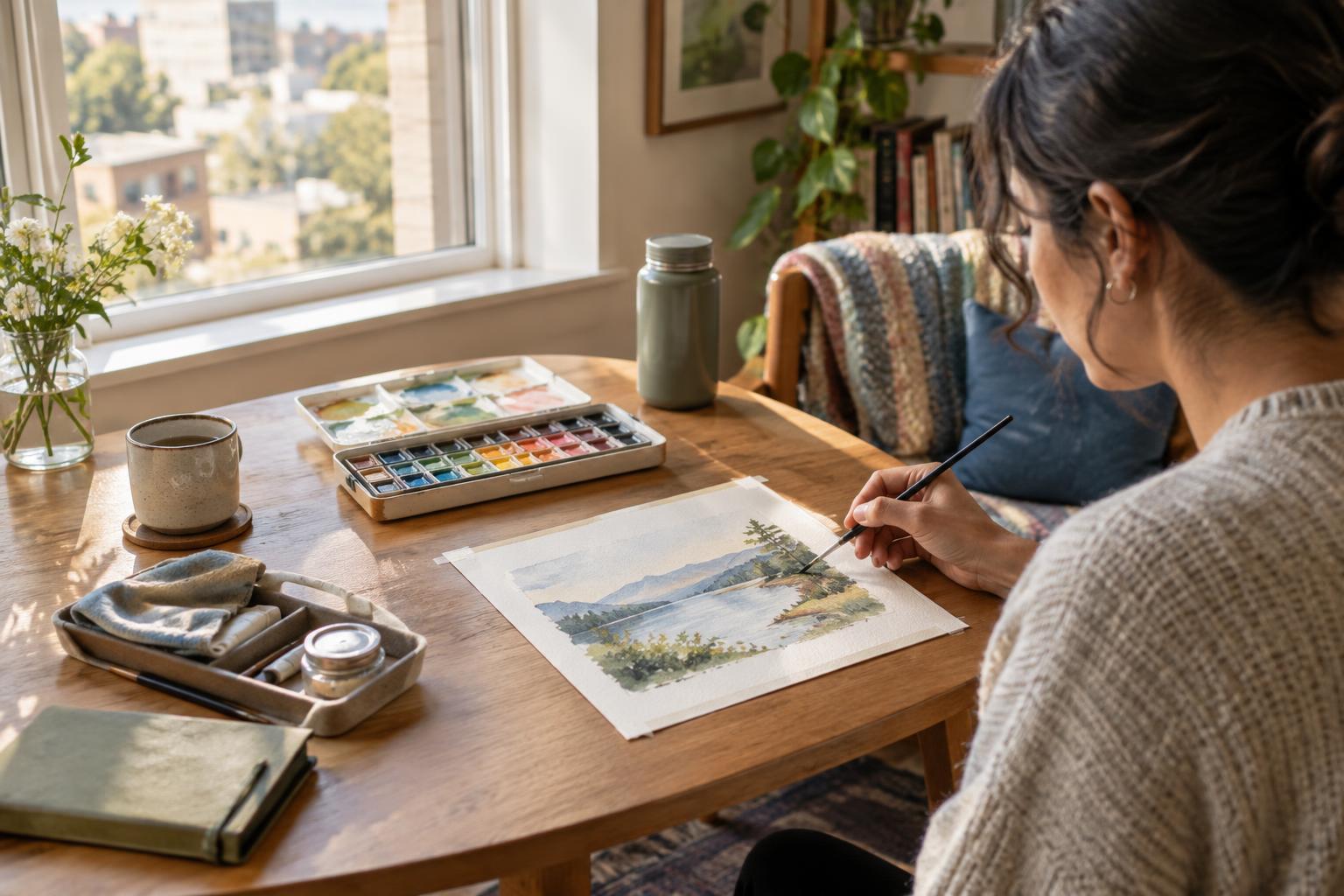
Match the hobby to the kind of opening you actually get. A portable sketchbook may suit brief breaks, while a model-building project may work better when you can leave a workspace undisturbed. You do not have to give up either activity. You can simply choose the one that fits the day.
Make it easy to stop and return
An unpredictable schedule can interrupt a session just as you are getting interested. Pick a natural stopping point before you begin: the end of a chapter, one completed row, a single photograph edited, or one board-game rule learned. A stopping point makes it easier to enjoy the time you have without worrying about finishing everything.
Before putting supplies away, leave yourself a brief reminder of what comes next. It might be as simple as “cut the next two pieces” or “try the shorter route.” If you return after a few weeks, that note can spare you the work of reconstructing your plans. For hobbies with several stages, keeping unfinished pieces together also helps.
There is no need to make up for missed sessions. You can restart with an easy, familiar part of the activity rather than trying to resume at the exact level you left off. A hobby should still be yours to enjoy after a pause.
Keep the plan flexible enough to be enjoyable
A calendar reminder can be useful, but it is an invitation, not a test. You might set aside a possible hobby window and decide what to do when it arrives. Some days you will want an active outing; other days, a quiet activity at home may fit better. Leaving room for that choice can help recreation feel different from a list of duties.
Every so often, ask a simple question: Is this setup making the hobby easier to enjoy? If gathering supplies takes longer than the activity, simplify the setup. If the short version feels unsatisfying, save the hobby for longer sessions and choose something else for brief breaks. If your interests change, adjust the plan rather than forcing yourself to continue.
A changing routine does not call for a perfect system. Start with one activity, one easy way to begin, and a clear place to pause. That may be enough to make room for enjoyment, even when no two weeks look quite the same.