Start with a small, clear invitation
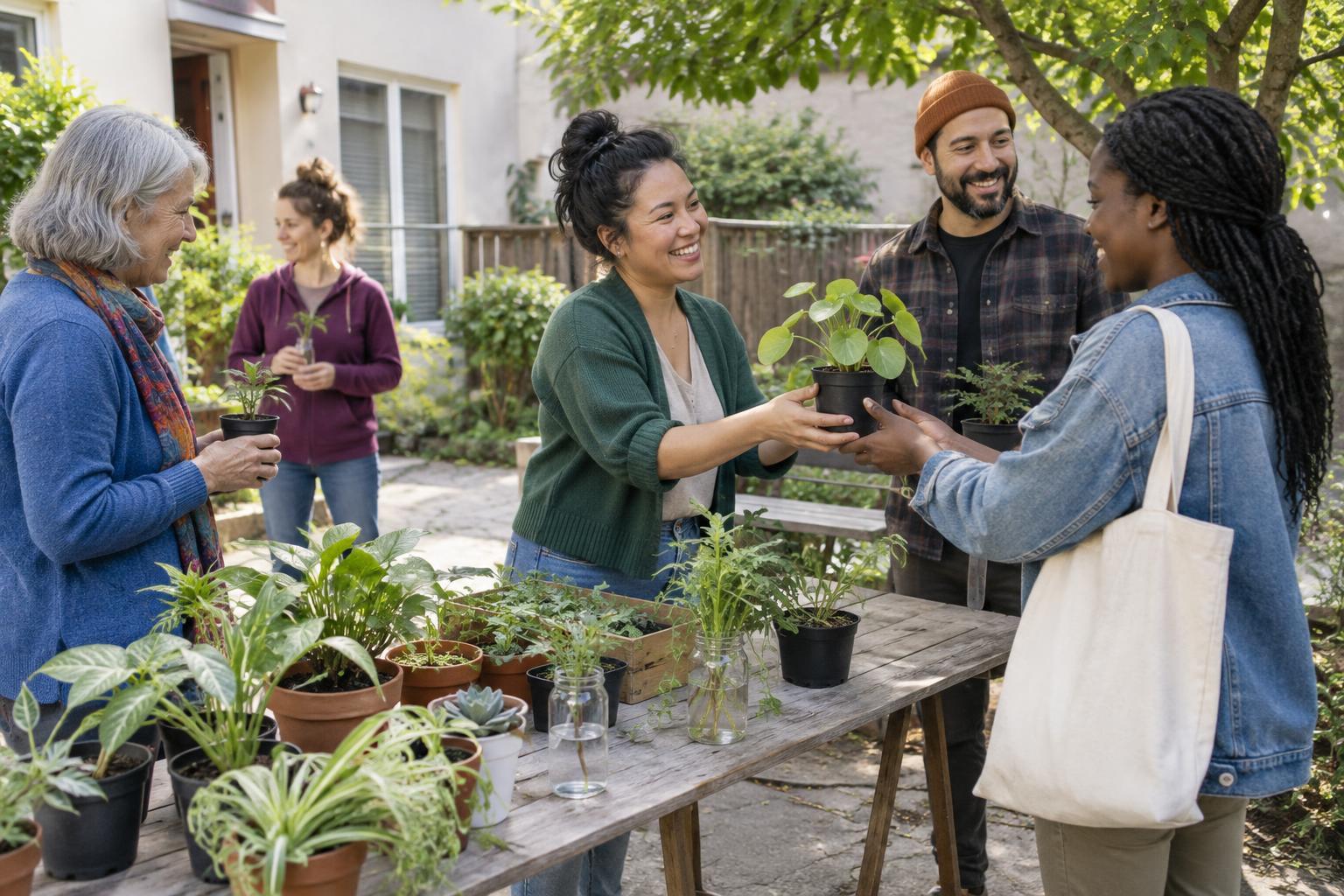
A plant swap offers a practical way to meet neighbors through a shared activity. People can bring seeds, cuttings or divided plants, but they can also participate by asking questions, helping with setup or taking home something to grow. If you are rebuilding a civilian routine after military service, a single afternoon may feel more approachable than joining a group with regular meetings.
Choose a modest scope for the first gathering: perhaps a table at an existing neighborhood event or a short exchange in a shared outdoor space. Check with the person or group responsible for the location before making plans. An invitation should state when and where the swap will happen, what participants may bring and whether they need to bring anything at all. Make it clear that beginners are welcome and that nobody is expected to make a purchase.
Set exchange guidelines before anyone arrives
Simple guidelines prevent awkwardness without turning the afternoon into a complicated operation. You might ask contributors to bring plants or seeds they can identify, label each item and mention any growing conditions they know. Encourage people to bring only material they have permission to share. If a plant’s identity or care needs are uncertain, a label saying so is more useful than a confident guess.
Decide whether the swap will be a direct trade or a take-what-you-can-use table. Direct trades can work for a few people, but an open table is often easier for newcomers who have nothing to contribute yet. State that approach on the invitation so participants know what to expect. It also helps to set a reasonable limit on how many items each person takes during the first part of the event, giving others time to look around.
Make the setup easy to navigate
A few labeled areas can do more than elaborate decorations. Separate seeds from live plants, provide a place for empty containers and leave enough room for people to read labels without blocking the table. Paper and a pen let contributors add missing details, such as a plant’s name, approximate size or preferred light conditions. Ask volunteers to place fragile items where they are less likely to be knocked over.
If people want ideas for plants that suit different times of year, suggest browsing Seasonal Gardening · Greenfield Outdoors before they decide what to bring. For a broader conversation about making outdoor spaces hospitable to wildlife, invite interested neighbors to explore Wildlife-Friendly Spaces · Greenfield Outdoors. These can be optional starting points for further browsing rather than prerequisites for joining the swap.
Give people a reason to talk, not a script to follow
The exchange itself creates natural conversation: someone can explain how they cared for a cutting or ask whether a particular plant would fit on a balcony. Welcome people when they arrive, explain the table guidelines briefly and then leave them room to browse. A short introduction is enough; nobody needs to describe their background or gardening experience to belong.
If you have organized teams or events before, those skills can help with timing and setup. Try to use them lightly. Assigning every participant a task may make a casual gathering feel formal, while asking one or two willing neighbors to help with signs or cleanup can make the work easier to share. Notice who is being left out of conversations, and offer a simple introduction when it seems welcome.
Close the swap without creating a new obligation
Before the event, decide what will happen to leftover plants. Contributors may prefer to take their items home, while others may welcome a plan to share remaining items with participants. Do not assume that a nearby group can accept donations; ask first. At closing time, give people a clear chance to collect what they brought and invite anyone available to help tidy the space.
Afterward, a brief thank-you through the same channel used for the invitation is enough. If neighbors ask for another swap, you can discuss it then rather than promising a recurring event on the spot. Anyone interested in planning what to grow between gatherings can browse Garden Planning · Greenfield Outdoors for ideas. A successful first swap need not produce a committee or a calendar: making it easier for neighbors to greet one another and share something useful is a worthwhile result.