Treat a hobby as an experiment, not a decision
After leaving military service, free time may look different from what you expected. You might want a break from structured activities, miss doing things with a group, or simply be unsure what you enjoy now. There is no need to settle on an identity such as “runner” or “woodworker” before you begin. A hobby can be something you test for an afternoon, return to occasionally, or leave behind.
Start by asking what you want from the time itself. Are you looking for quiet, movement, company, a creative outlet or a chance to learn? The answer can change from week to week. Naming the experience you want is often more useful than trying to pick the perfect activity. If you want to spend time outdoors, for example, a short walk with a camera might suit you better today than joining a hiking group.
Make the first try small and affordable
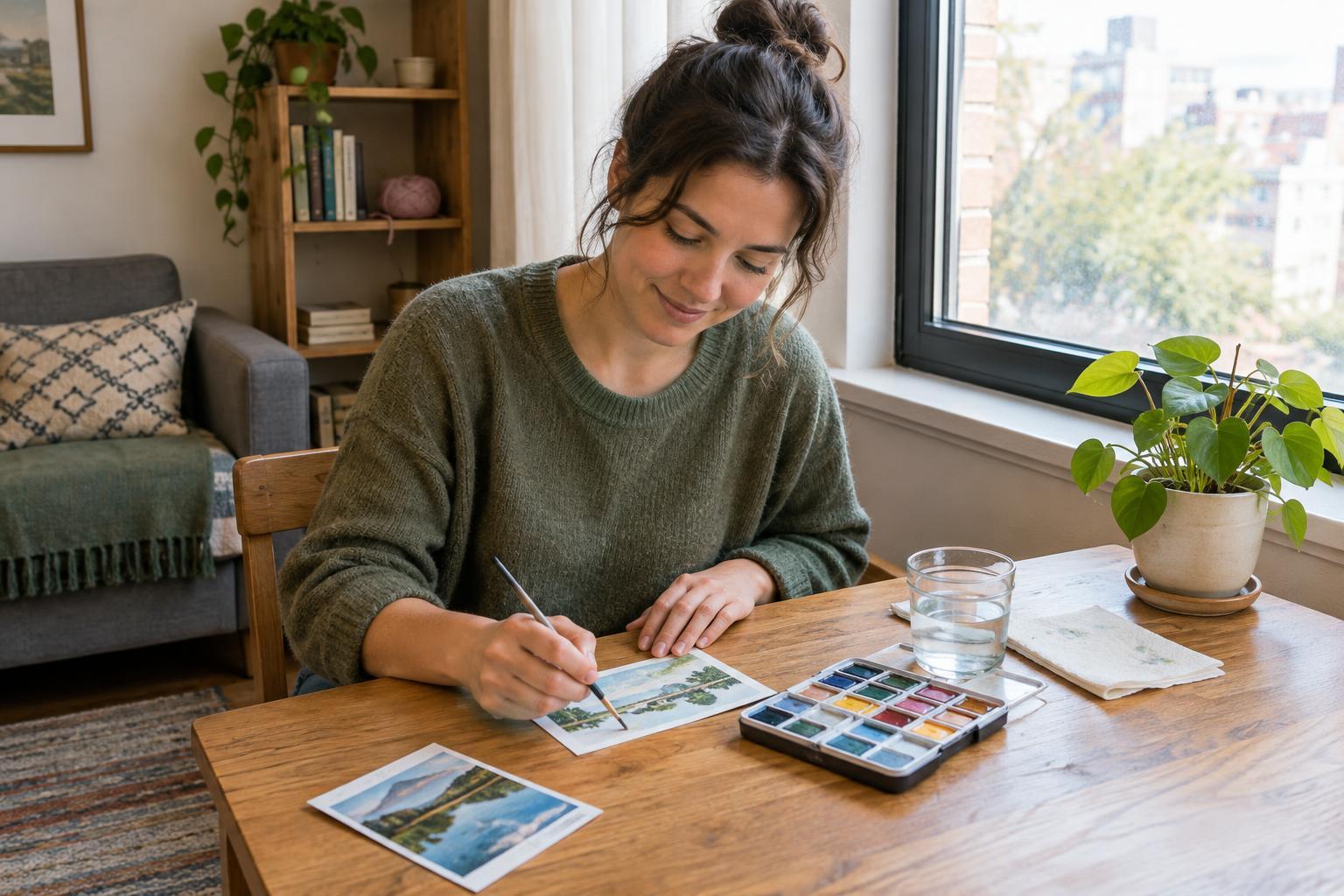
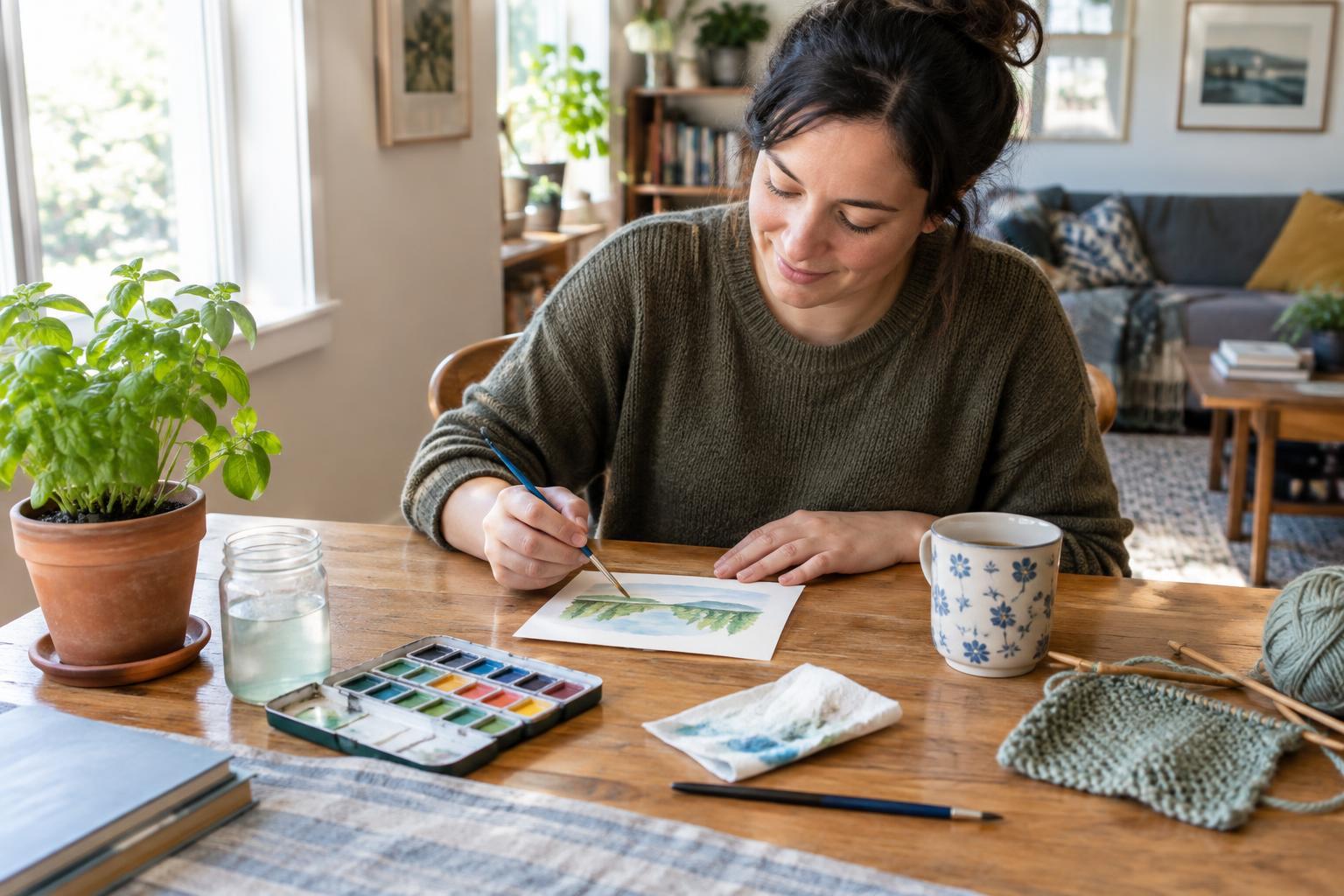
Give yourself a trial period rather than a long-term plan. Choose one activity and set a modest first step: borrow a library book on drawing, follow a beginner recipe, attend one open community event or take a short walk on a new route. Set a time limit that fits your day. When the experiment is small, it is easier to begin and easier to decide whether to try it again.
Delay buying specialized equipment if you can. Use supplies you already have, borrow what is available, or look for a beginner session that provides materials. Before signing up for a class, check its cost, location, cancellation terms and whether it welcomes newcomers. An activity that sounds appealing may still be a poor fit for your current schedule or budget; finding that out early is useful information, not a setback.
Choose the setting as carefully as the activity
The same hobby can feel very different depending on where and with whom you do it. Reading alone at home, joining a book discussion and listening to an audiobook on a walk all offer different experiences. Likewise, you can try gardening with a few pots, in a shared plot or while helping at a community garden. If an activity does not click, consider whether its setting was the problem before ruling it out.
Think about how much structure you want. A scheduled class can make it easier to show up and meet people, while an independent project lets you work at your own pace. You can also alternate between the two. For someone adjusting to civilian routines, it may help to choose activities that are easy to pause when other responsibilities need attention. Enjoyment should not depend on keeping a perfect attendance record.
Notice what you enjoy without grading yourself
After each attempt, ask a few simple questions: Did I look forward to starting? Was there a part I wanted to keep doing? How did I feel about the time, cost and effort involved? You do not have to be good at something for it to be worthwhile. A hobby can offer satisfaction through practice, curiosity or connection, even when the result is uneven.
Try not to compare a first attempt with someone else’s polished work. Skills developed in service may have taught you to improve through repetition and feedback, but recreation does not have to become another performance goal. If a checklist helps, keep it light: note what you tried and whether you want a second session. If tracking turns the activity into an obligation, skip the checklist.
Keep a few options open
You are allowed to have different hobbies for different days. A social activity may be welcome one weekend, while a solo project suits the next. You might keep one inexpensive, easy-to-start option at home and try occasional activities outside it. This gives you choices without filling every open hour.
If you decide not to continue, you do not need a dramatic reason. Perhaps the travel took too long, the group was not a good match, or you simply preferred another way to spend your time. Use what you learned to shape the next experiment. Trying hobbies without immediate commitment is not indecision; it is a practical way to discover what fits your life now.