Start with the connection you want
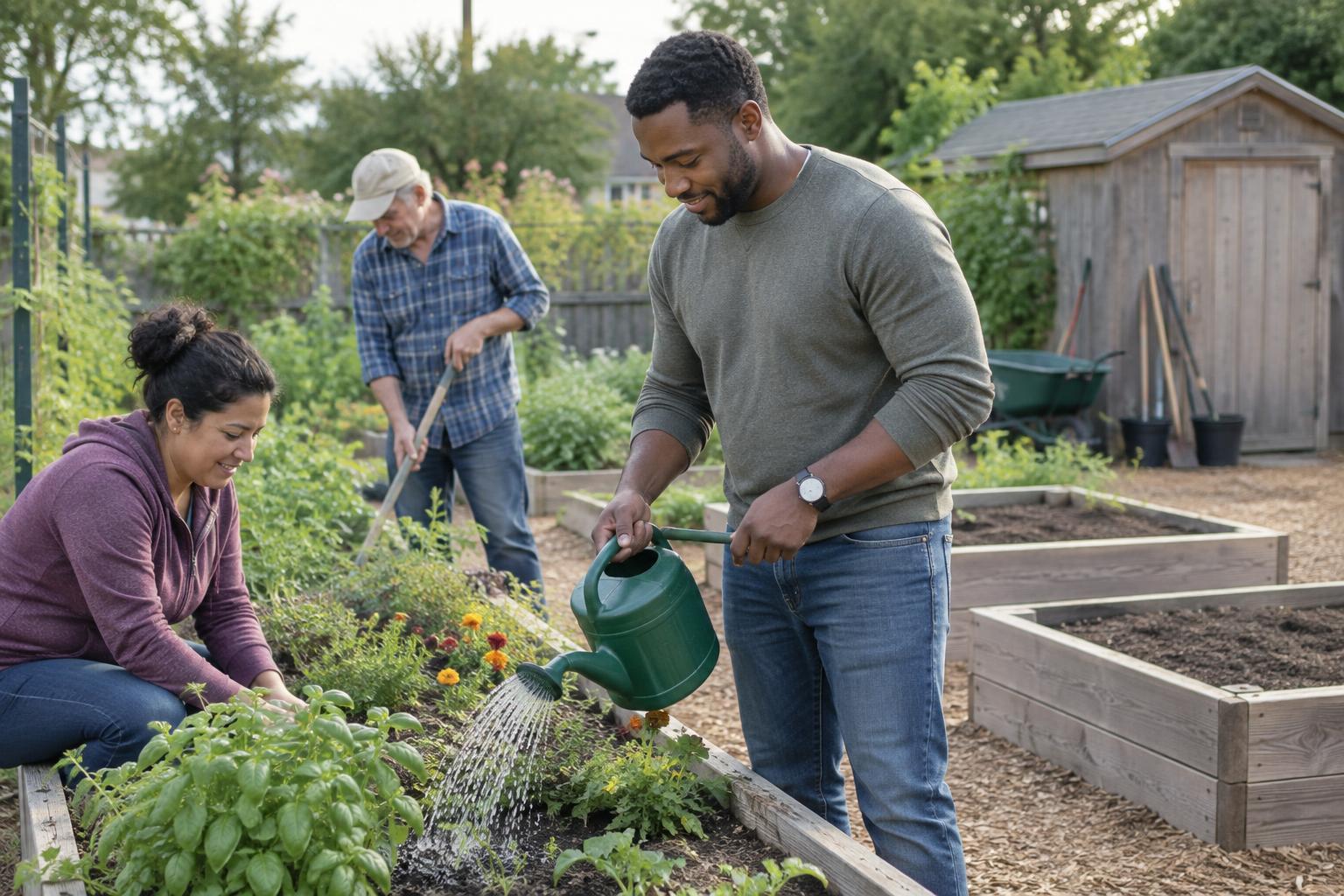
After military service, joining a community group can be a way to build new routines and meet people around a shared interest. The group does not have to be connected to service. A neighborhood garden, book club, volunteer project or gaming group may offer common ground without asking you to explain your background. Before choosing between in-person and online options, think about what you want to do with other people. Are you looking for a recurring activity, a chance to learn, a place to contribute or simply a relaxed conversation?
It also helps to decide how much structure you prefer. Some people enjoy showing up at a set time with a clear task. Others would rather join a discussion when they have the energy. Your answer may change as your civilian routine takes shape. Choosing a group is not a permanent decision; it is a chance to test what feels useful now.
What in-person groups can offer
Meeting in person gives you a shared place and activity. Working alongside others at a community event, taking a class or attending a regular club meeting can make conversation feel more natural than introducing yourself without context. A scheduled outing can also provide a reason to leave home and explore your area. If you want to get to know a neighborhood, in-person groups may help you discover local places and people.
The practical details matter, though. Travel time, cost, accessibility, scheduling and the atmosphere of a meeting can all affect whether you will want to return. A group that sounds ideal on paper may be hard to attend regularly. If possible, look for a clear meeting description and try one event before committing to a role or a long series of sessions. Arriving with a simple goal, such as learning how the group works, can take pressure off the first visit.
What online groups can offer
Online groups can make it easier to connect across distance or fit participation around an uneven schedule. A discussion forum may let you read before posting, while a video meetup offers real-time conversation from home. Topic-based groups can be especially useful when a local group for your interest is difficult to find. They can also give you space to explore a new hobby before deciding whether to pursue it in person.
Online spaces vary widely in tone and expectations. Before sharing personal details, read the group rules, notice how members respond to newcomers and check what information is visible to others. Consider using privacy settings that match your comfort level. If a group leaves you feeling drained or pressured to disclose more than you want, you can step back. An online connection counts even if you participate quietly at first, but it should not require you to ignore your boundaries.
Compare fit, not just format
Neither format is automatically more meaningful. A welcoming online group with thoughtful discussions may suit you better than a nearby gathering that rarely meets. A hands-on local project may feel more rewarding than a busy chat with hundreds of messages. Look at the people and practices as well as the platform: Is the purpose clear? Are newcomers welcomed? Can you take part without making commitments you cannot keep?
You can also mix formats. An online calendar or message board might lead you to occasional in-person events. A local club may maintain an online space that helps members stay in touch between meetings. This combination can be useful when you want face-to-face contact but need flexibility. The best arrangement is one you can participate in without turning connection into another demanding obligation.
Try a small experiment and reassess
Choose one group that interests you and give it a manageable trial. You might attend a single meeting, join one online discussion or help with a short volunteer task. Afterward, ask yourself a few practical questions: Did I feel welcome? Did I enjoy the activity? Was the time commitment realistic? Would I be comfortable returning? One awkward first meeting does not define every community, but your reaction is worth noticing.
If a group is not a fit, you have still learned something about what you want. Adjust one factor at a time: try a smaller gathering, a more active project, a different topic or another meeting format. Connection often grows through repeated, low-pressure contact rather than an instant sense of belonging. Give yourself permission to start small, keep what works and move on from what does not.