Find a garden that fits your time and interests
A community garden is more than a place to grow vegetables. Members may care for individual plots, maintain shared beds, tend paths or help with events. For someone building a civilian routine after military service, it can provide a regular activity and a chance to get to know people through a common task. You do not need to arrive with gardening experience. Curiosity, reliability and a willingness to ask questions are useful starting points.
Before committing, ask how the garden works. Is there a waiting list or membership fee? Are plots assigned to individuals, or does everyone work on shared areas? How often are members expected to help, and are tools available to borrow? A brief visit can tell you things a description cannot: whether you can get there easily, what tasks are under way and whether the pace suits you. If your schedule varies, look for a group that offers flexible ways to contribute.
Learn the rules before picking up a tool
Every garden develops its own routines. One group may keep a task board; another may coordinate workdays through messages or brief conversations on site. Ask a coordinator or experienced member where to find the rules for watering, composting, tool storage and harvesting. Check which beds are shared and which belong to individual gardeners. Even a plant that appears neglected may be part of someone else’s plan, so ask before pruning, pulling or picking it.
Pay attention to practical boundaries, too. Find out where hoses should be left, which materials belong in the compost and whether the garden has guidance on pest control. Return tools clean and to their designated place. If something breaks or a task cannot be finished, let someone know rather than leaving the next person to guess. These small habits make shared work easier and help protect the effort others have already put in.
Start with a manageable contribution
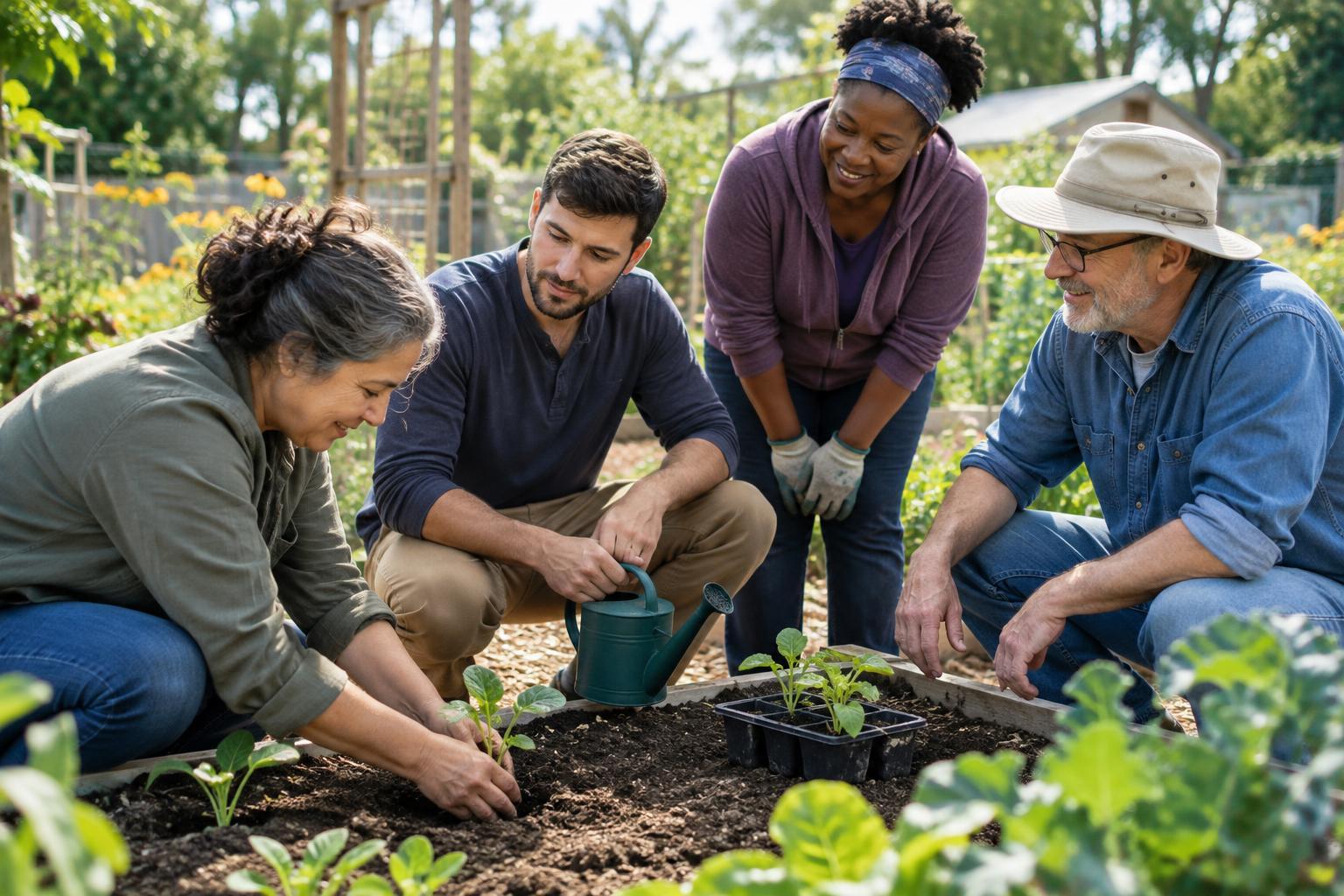
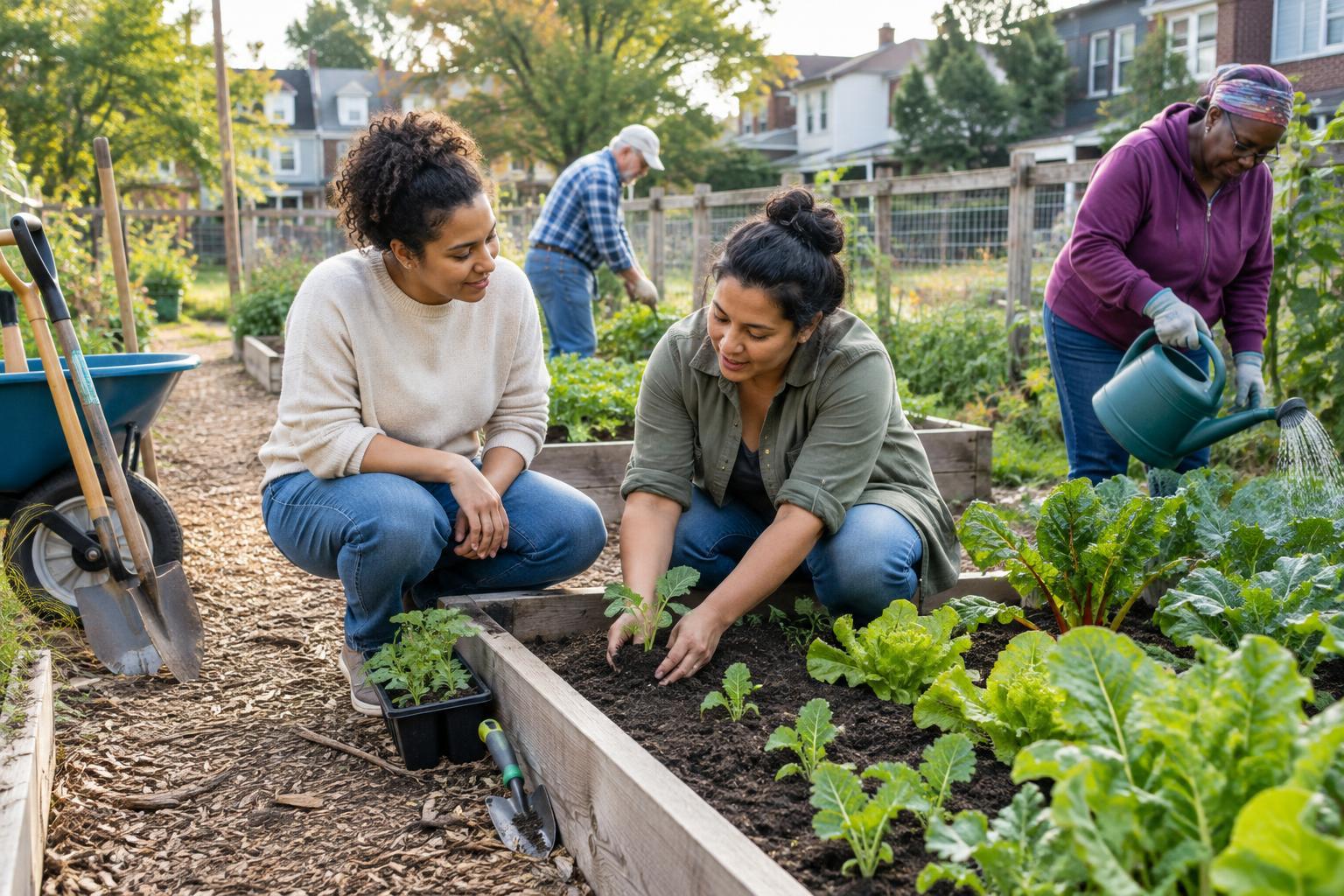
A first visit does not have to become an all-day project. You might help refill watering cans, spread mulch on an assigned bed, clear a path or sort supplies. Ask for a demonstration if you are unfamiliar with a tool or plant. Gardening often involves local conditions and preferences that take time to learn; checking first is more helpful than trying to prove you already know the answer.
Choose work you can do comfortably and be clear about your availability. Consistent participation might mean attending a weekly work period, but it could also mean taking one agreed task when your schedule permits. If you cannot make a shift you accepted, give notice when possible. Shared gardens depend less on everyone doing the same amount than on members understanding what others have agreed to do.
Make room for different ways of working
Gardens bring together people with different experience, priorities and ideas about how a space should look. Some enjoy conversation while they work; others prefer to focus quietly. A simple introduction, a question about what needs doing and respect for someone’s chosen task can go a long way. When offering a suggestion, ask whether it would be welcome. When receiving one, remember that a local tip may save you time even if you have approached similar work differently elsewhere.
Disagreements about watering, weeds or shared supplies are easier to handle when they stay specific. Instead of assuming someone was careless, describe what you noticed and ask about the garden’s usual practice. If an issue affects several members, bring it to the coordinator or the next group discussion. You can participate fully without taking charge; listening, following through and making space for others are valuable contributions.
Let participation grow at its own pace
Community gardens can offer social contact, but there is no requirement to turn every workday into a conversation or every neighbor into a close friend. Repeated, ordinary interactions often make it easier to feel familiar with a place. Learn a few names, ask about a plant you do not recognize or offer help with a task that clearly needs another pair of hands. If the garden hosts open workdays or gatherings, attend when they appeal to you rather than treating them as obligations.
After a few visits, consider what you enjoy and what you can sustain. You may want to learn seed starting, take responsibility for a small plot or simply continue helping with shared maintenance. If the first garden is not a good fit, another group or a different community activity may suit you better. The goal is not to become an expert quickly. It is to find a useful role in a shared space and build from there.