Make the invitation easy to understand
A newcomer’s experience starts before the event. An invitation that says only “Everyone is welcome” may leave important questions unanswered. Include the purpose, location, start and end times, likely activities, and whether someone needs to register, pay, bring anything, or arrive with a group. If people can drop in late or leave early, say so. These details help anyone decide whether the event fits their schedule and comfort level.
Keep the wording accessible to people who have never attended before. Explain local abbreviations and traditions rather than assuming everyone knows them. If the event is hosted by a neighborhood association or volunteer group, describe what that group does in a sentence or two. A person settling into civilian routines after military service may be exploring unfamiliar local networks, but the same clear information helps students, recent arrivals, and longtime residents trying something new.
Give people a comfortable first point of contact
At the entrance, a greeter can offer a simple welcome, explain where to go, and ask whether the visitor would like an introduction. That question matters: some people appreciate being shown around, while others would rather look first. A visible check-in point, signs for key spaces, and a brief outline of what happens next can reduce the feeling of having walked into an event where everyone else knows the rules.
Avoid putting newcomers on the spot. Asking someone to introduce themselves to a whole room or explain why they came may feel like too much for a first visit. Instead, offer small choices: join a conversation, help set up an activity, take a seat, or simply observe. If a host notices someone standing alone, a quiet offer to connect them with another participant is often more useful than a public announcement.
Create ways to participate without an inside track
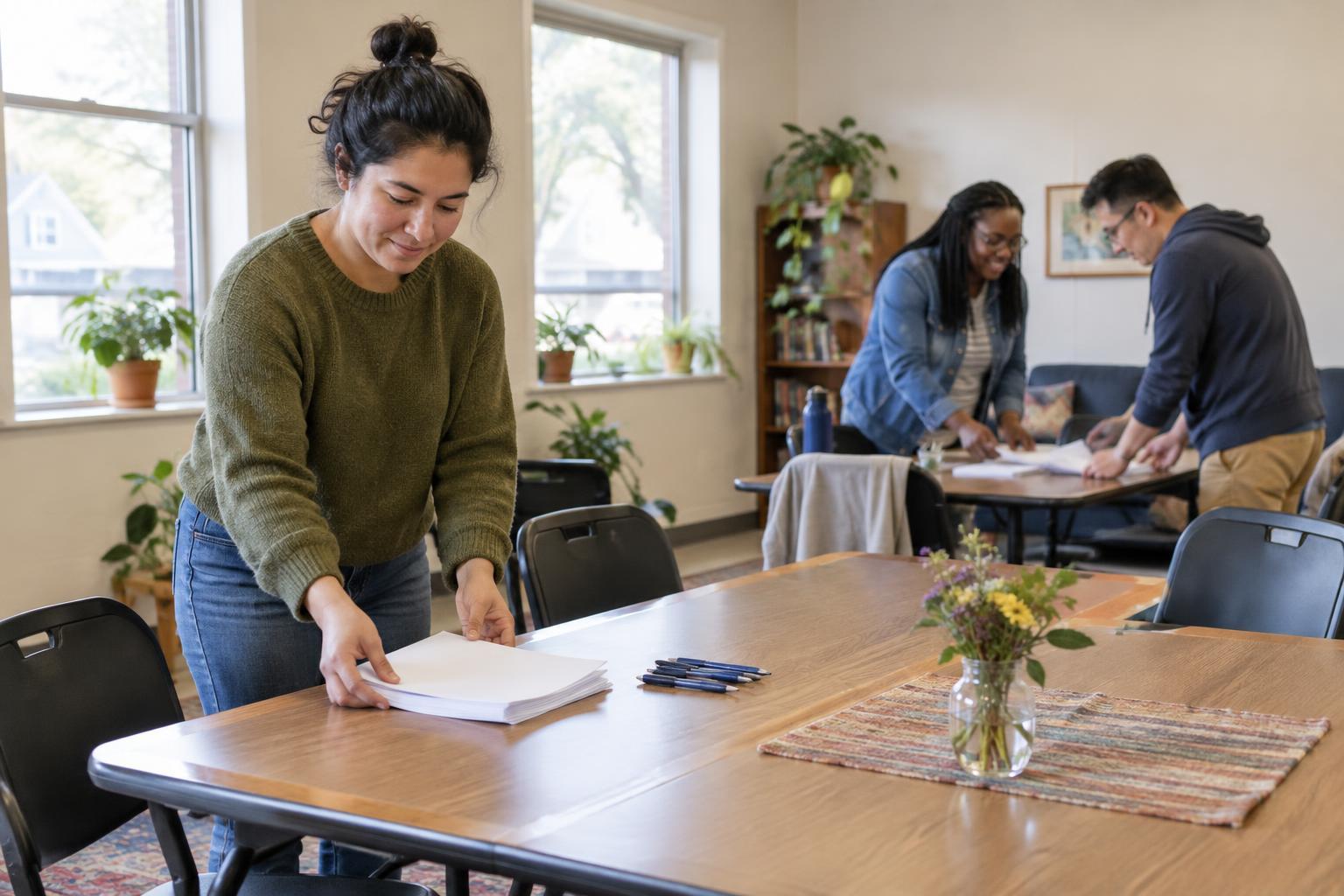
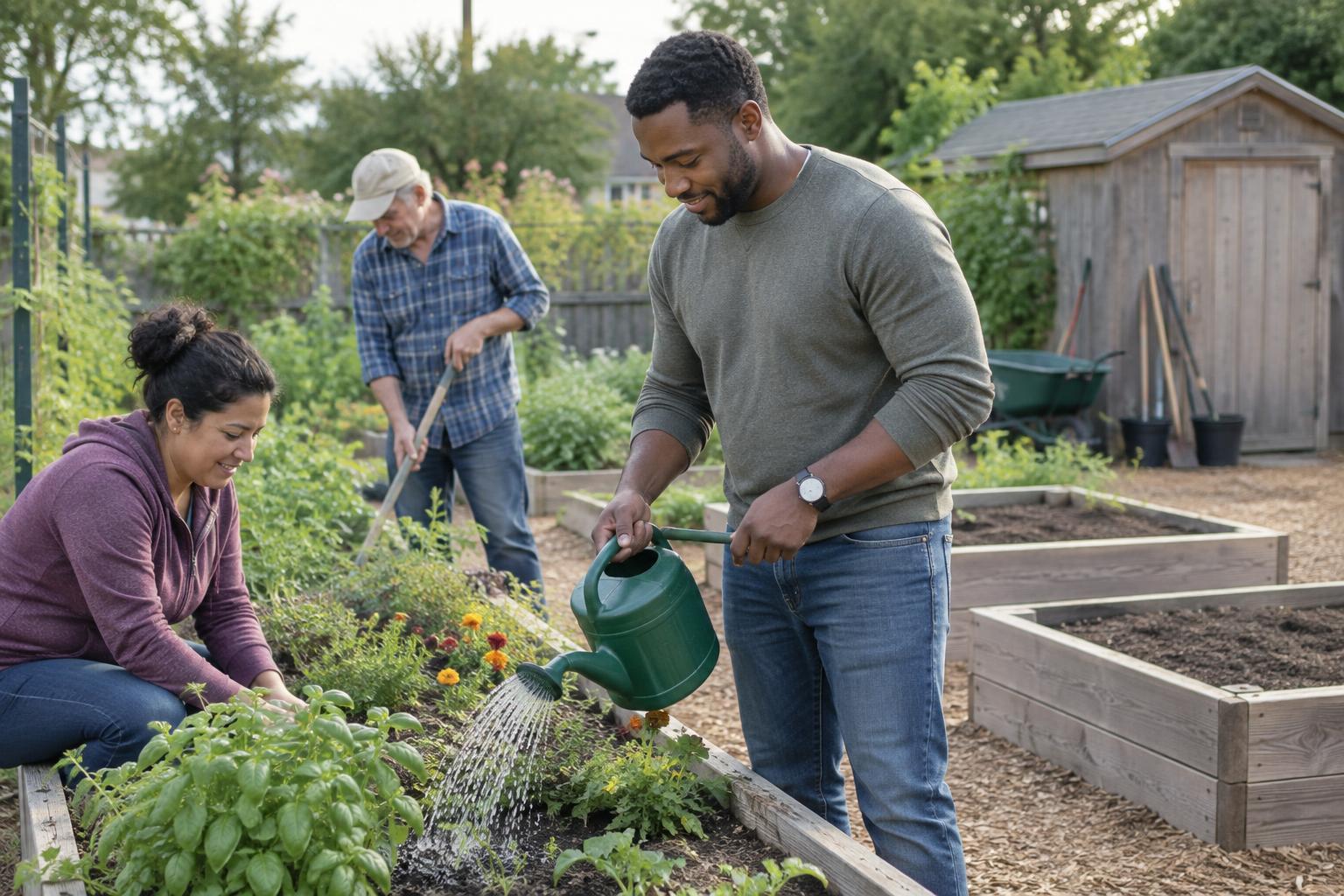
Events can unintentionally revolve around established friendships. Build in an activity that does not require knowing anyone beforehand, such as a shared task, a guided discussion with a clear prompt, or a casual table where people can join midway. Briefly explain how to participate, including whether it is fine to pass on a question or step away. Structure gives newcomers a way in without forcing conversation.
Think about practical barriers as well as social ones. Where possible, choose a location with clear access information, seating options, and a place to pause away from the main activity. State any costs up front and avoid making food or purchases the only route into conversation. Organizers may not be able to remove every obstacle, but asking what someone needs to take part can reveal simple improvements for the next event.
Let people define their own connection to the group
A community event is more welcoming when people are met as individuals rather than assigned a role. Someone who has left military service might enjoy contributing planning skills, prefer to learn something entirely new, or want no discussion of their service at all. Do not assume a newcomer wants to lead, volunteer immediately, or tell a personal story. An open question such as “What brings you here today?” gives them room to choose what to share.
The same principle applies to offers of help. Describe available roles and let people opt in without pressure. A first visit can be about getting familiar with a place, not proving commitment. When regular attendees model curiosity without prying, newcomers have a better chance to build relationships around shared interests rather than other people’s expectations.
Make it easy to return
Before the event ends, tell participants where they can find information about the next gathering and whom they can contact with questions. If someone has chosen to share contact details, a short follow-up can thank them for coming and point to a specific future activity. Do not treat a lack of response as a rejection; people have different schedules and may need time before returning.
Afterward, organizers can ask a few practical questions: Was the entrance easy to find? Did the invitation match what happened? Were there natural ways for someone attending alone to join in? Feedback need not become a formal survey. Listening to newcomers, then changing one or two things, shows that welcome is an ongoing practice. The goal is not to make everyone feel instantly at home. It is to make the first step clear, respectful, and worth taking again.