Start with a group you already know
Attending a neighborhood gathering, hobby club or volunteer event is different from helping to make it happen. As an attendee, you can arrive, take part and leave. As an organizer, even in a small role, someone may be counting on you to bring supplies, welcome newcomers or send a reminder. That added responsibility can be rewarding, but it is easier to manage when you begin with a group whose purpose and routines you have already seen.
If you are adjusting to life after military service, community participation may offer a way to build connections outside a familiar work structure. There is no need to recreate the pace or hierarchy of that structure. Spend a few visits noticing how the group operates: Who answers questions? What happens before and after an event? Which tasks seem to fall to the same people? Those observations can help you offer useful support without assuming you know what the group needs.
Choose one task with clear edges
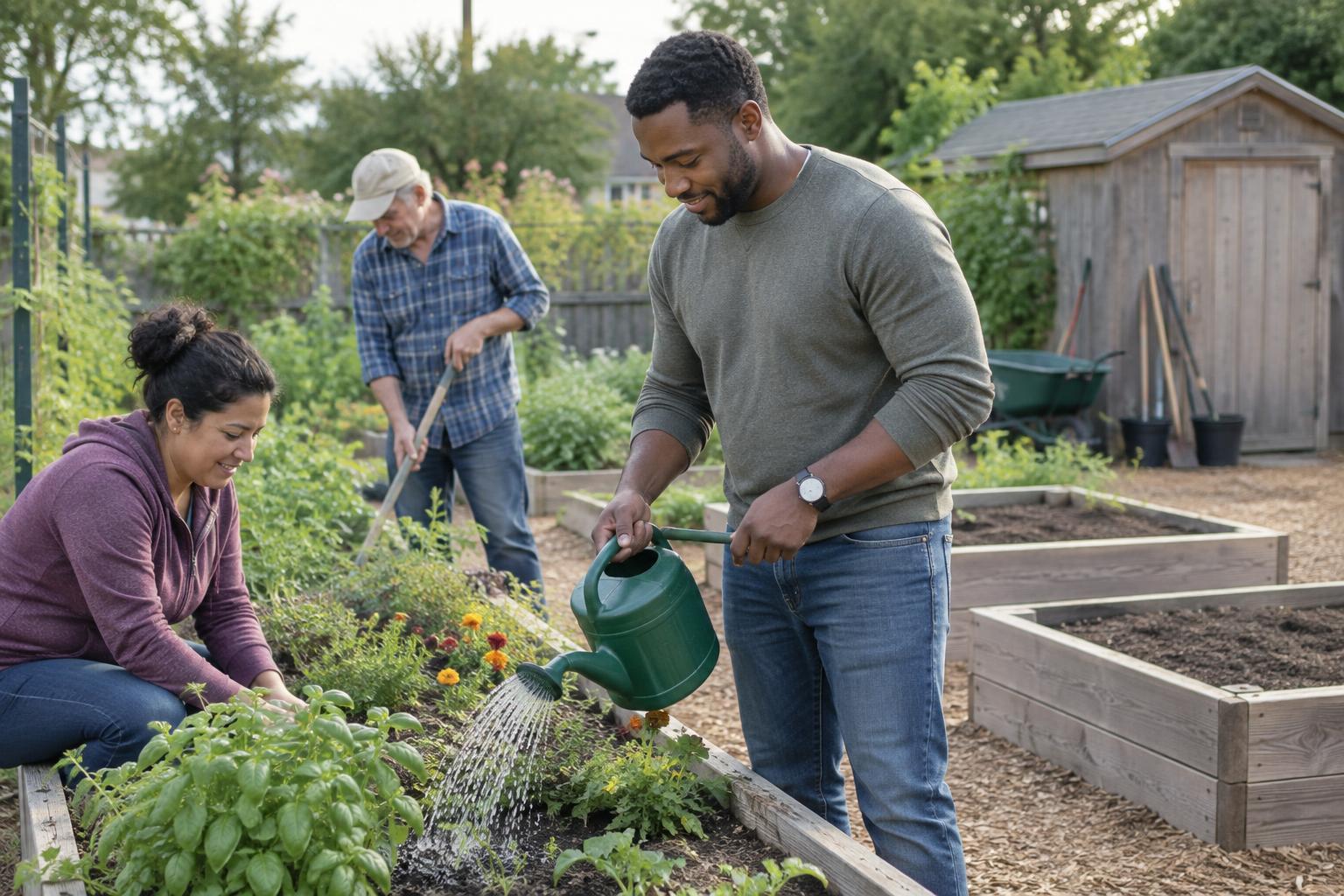
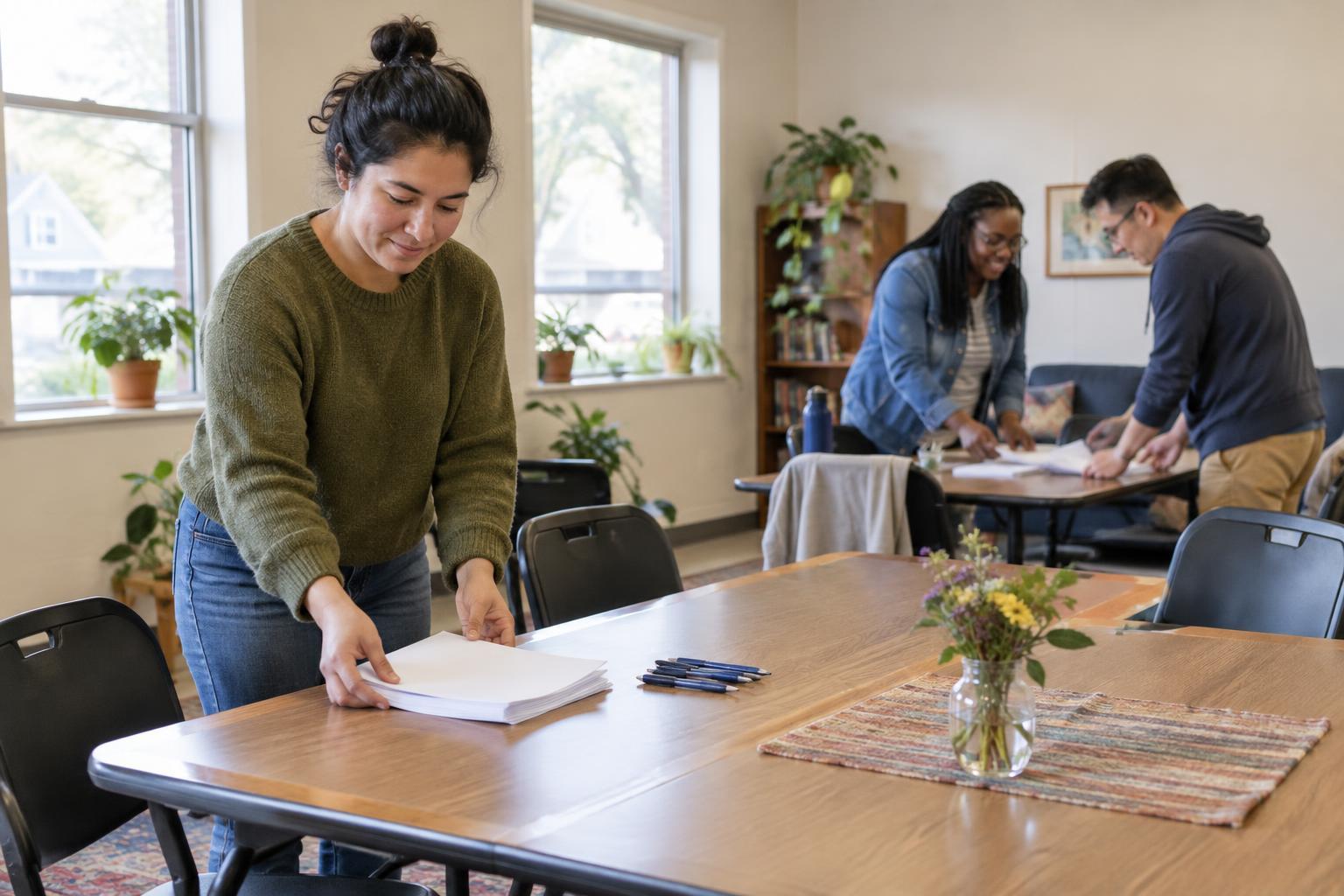
A good first role has a beginning, an end and a person you can ask for guidance. You might set out chairs for one monthly meeting, keep a simple sign-in sheet, greet participants at a community garden workday or help prepare an activity table. These jobs matter, but they do not require you to take responsibility for the entire event.
Before agreeing, ask what the task includes, how long it usually takes and what to do if you cannot make it. Find out whether supplies or instructions are provided and whether the role involves handling money, personal information or access to a space. If it does, ask about the group’s procedures before accepting. A brief conversation now can prevent confusion later.
Consider making your first commitment a trial: “I can help with the next two meetings and then check in.” That gives both you and the group a chance to see whether the task fits. You can contribute reliably without promising indefinite availability.
Use familiar skills without taking over
Planning ahead, noticing gaps and following through can be useful in a community setting. So can explaining a task clearly or staying calm when plans change. But a local club or informal volunteer group may make decisions more slowly than a workplace team. People may participate for different reasons and have different amounts of time to give.
Before changing a process, ask how it came to be. A sign-in system that looks inefficient might be simple because volunteers share the job. A casual meeting format might help newcomers feel comfortable. Offer suggestions as options rather than fixes: “Would a short setup checklist be helpful?” Then listen to the answer. The goal is to support the group’s purpose, not to prove that you can run it differently.
Make the work easy to hand off
Small roles become more sustainable when someone else can step in. Keep notes about recurring details, such as where supplies are stored, whom to contact with a question and what needs to be done before people arrive. A few plain sentences are often more useful than an elaborate system that only you understand.
Communicate early if your schedule changes. You do not need to give a detailed explanation; a clear message about what you can and cannot cover lets others adjust. If a task regularly takes more time than expected, say so. You can ask to split it, simplify it or return to being an attendee. Setting a limit is part of being dependable, not a failure to contribute.
Decide what a good next step looks like
After a few events, pause and consider both the group’s needs and your own experience. Did you understand what was expected? Did the role leave room for the rest of your week? Did you enjoy working with the people involved? A successful trial might lead to another small assignment, a shared responsibility or simply a better sense of where you like to participate.
Moving from attendee to organizer does not have to mean moving toward a title. Sometimes the best contribution is a consistent, modest task that helps others feel welcome. Starting small gives you time to build trust, learn the group’s habits and choose a level of involvement you can maintain.