Start with the questions someone might need to answer
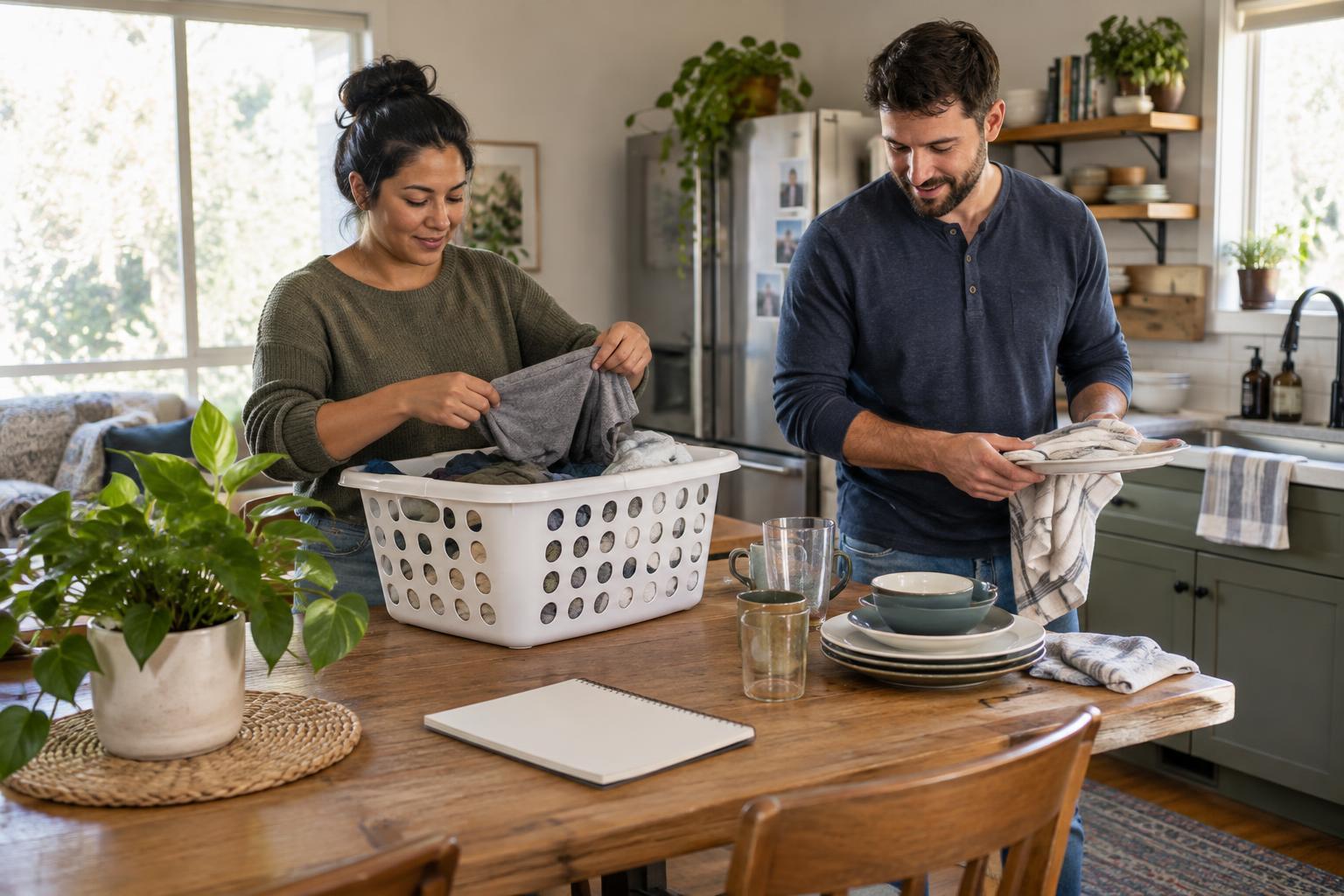
Moving from military service into civilian routines can mean managing more details on your own: a new address, different service providers, changing schedules, or a household with several people to coordinate. When information is scattered across messages, drawers, and memory, even a small task can take longer than it should. A household reference gives you one starting point. It does not need to contain every detail; it needs to help you find the right person or document when you need it.
Begin with a few ordinary questions. Who should be called if a repair cannot wait? Where is the lease or appliance manual? Which person handles school pickup, pet care, or a shared bill? Write down the questions that come up in your household, then build your reference around them. This keeps the project useful rather than turning it into an inventory of everything you own.
Make a short, useful contact list
Group contacts by purpose instead of putting everyone into one long list. Possible groups include household members, trusted friends or neighbors, property contacts, utilities, schools or childcare, pet care, and routine service providers. For each entry, include a name, what the person or organization helps with, a phone number or other preferred way to reach them, and any detail that prevents confusion. For example, note which neighbor has agreed to accept a delivery rather than simply listing a name.
Separate everyday contacts from those you might need urgently. Keep emergency numbers appropriate to your location easy to spot, and identify a trusted person who has agreed to be contacted if you cannot handle a household matter yourself. Check with people before assigning them a role. If a contact changes jobs, moves, or asks not to be listed, update the reference rather than relying on an old entry.
Record where information lives, not every private detail
A good household reference can point to documents without copying their contents. You might note where to find identification records, housing paperwork, insurance documents, vehicle information, appliance instructions, or receipts for major purchases. Add practical identifiers when they help, such as the name of a service provider or a device model. Avoid putting passwords, full account numbers, or sensitive personal records in a sheet that others may casually see.
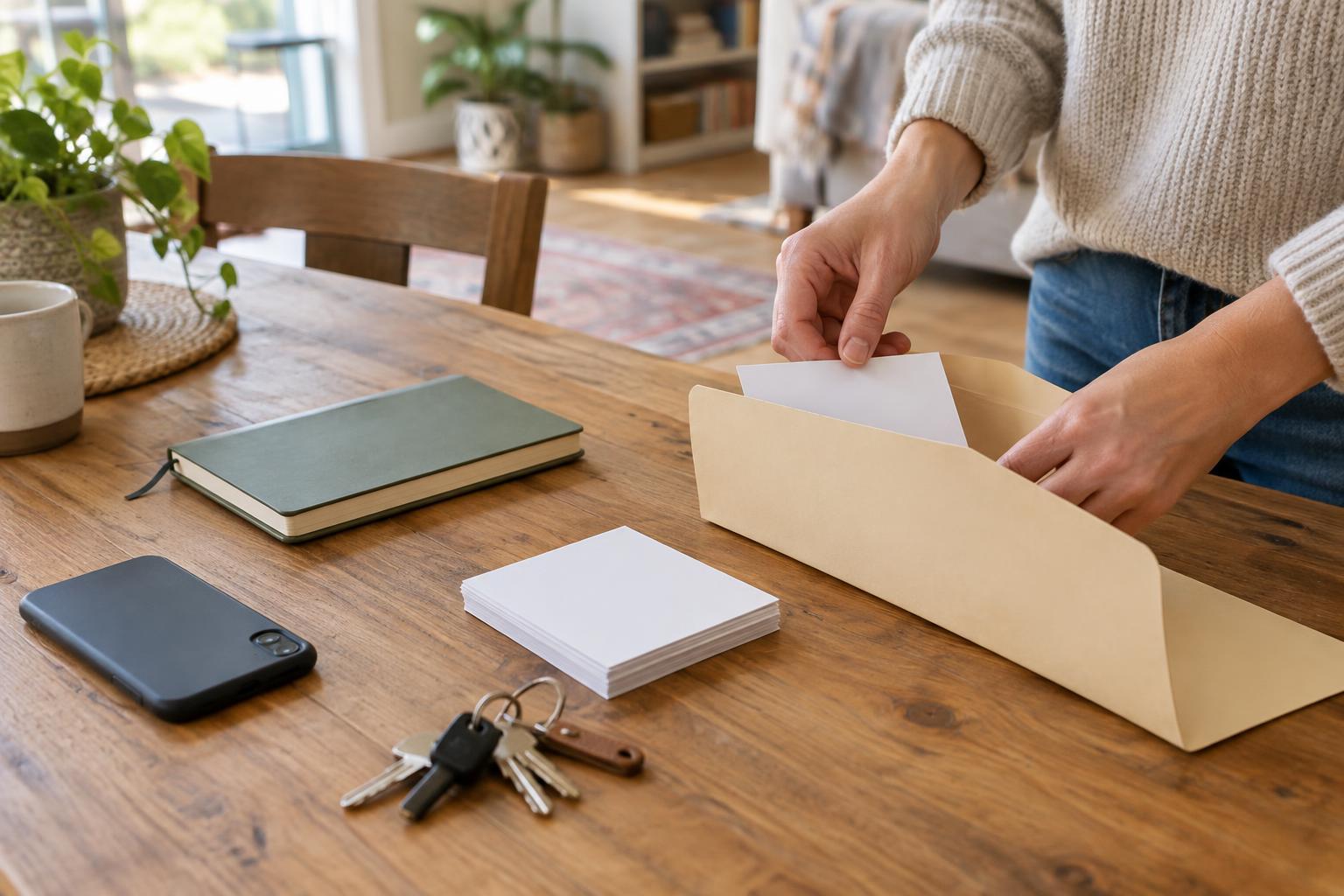
Choose a format you will actually use. A labeled paper folder may suit a household that prefers a visible reference; a digital note or folder may be easier to update. Some people use both: a brief paper contact sheet and a more detailed digital index. Whichever you choose, decide who should be able to access it and where it will be kept. If you store sensitive files digitally, use the security features available on your device and keep a backup you can retrieve.
Add a few household routines
Contacts and documents are more useful when paired with brief instructions for recurring tasks. Record where to find the water shutoff, how household members report a maintenance issue, when bins go out, or which supplies are worth checking before a trip. If you share a home, include only routines that someone else would reasonably need to follow. A few clear sentences are better than a long guide nobody reads.
Try walking through a realistic situation to test the reference. If your phone were unavailable, could you find a key contact another way? If a household member needed to arrange a repair, would they know where to start? This exercise often reveals missing information or unclear labels. It can also show what belongs somewhere more secure instead of in a shared folder.
Keep the system small enough to maintain
Set aside one short session to create a first version. Gather the contacts you use most, name the locations of essential documents, and leave blank spaces for information you still need to confirm. A usable draft is better than waiting until you can build a perfect system. Tell other household members where the reference is and invite them to flag anything confusing or out of date.
Review it whenever a major detail changes, such as an address, provider, school, or household responsibility. A quick check during a regular home-organization session can catch smaller changes. Remove outdated entries so the most useful information stays easy to find. Over time, the reference should feel less like another task and more like a dependable shortcut for everyday life.