Start with the walk you already know
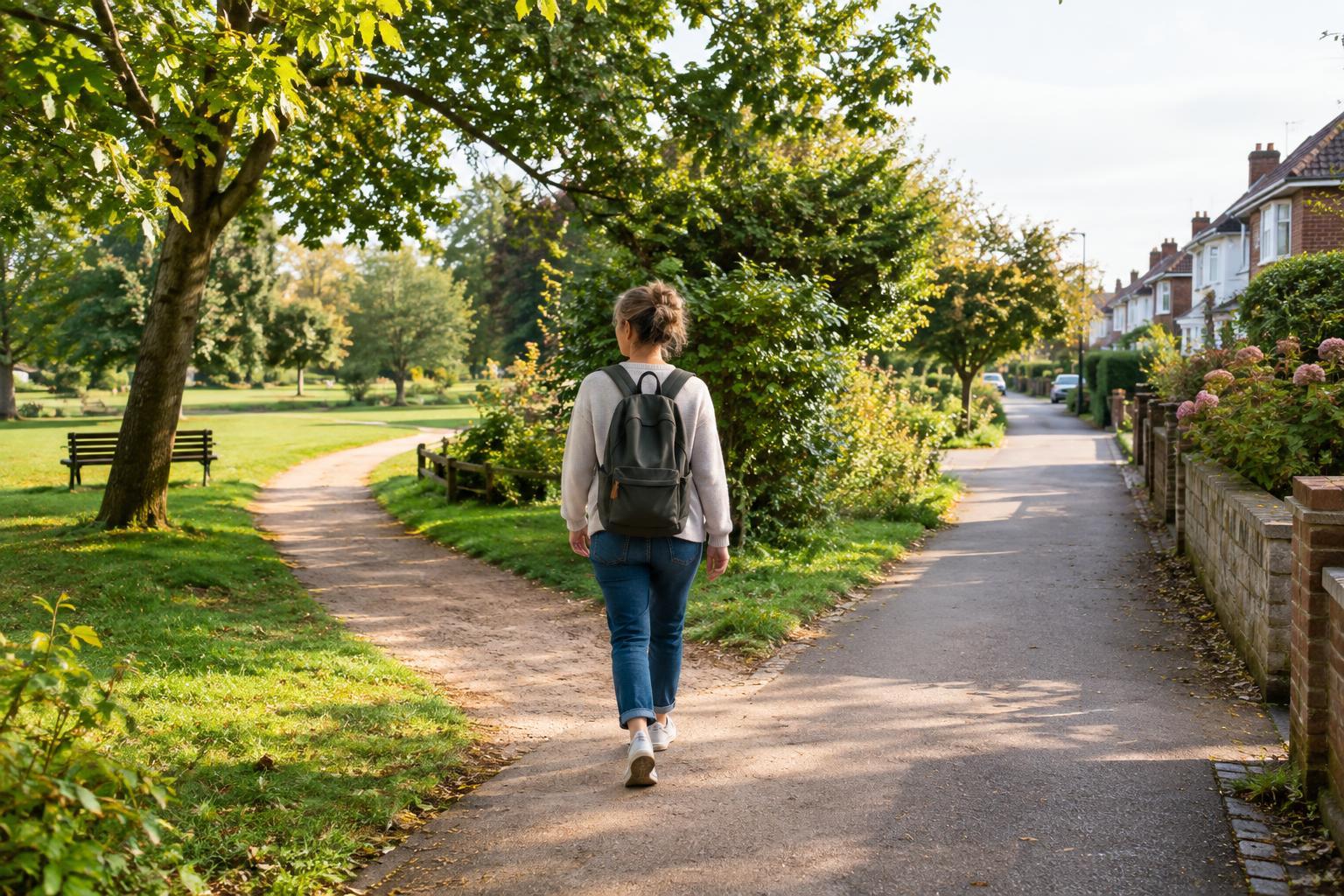
Recreational walking does not require a trailhead or a full afternoon. A loop around familiar blocks can offer a pleasant break, especially while you are settling into new routines after military service. Begin with a route you already know well enough to judge its length and how you feel afterward. That gives you a useful starting point without making the walk another task to optimize.
To add variety, change just one part. Take the loop in reverse, turn down a different street or add a short out-and-back section before heading home. You can also start at another point on the same route. Small changes make it easier to explore while keeping a familiar way back. If you want to remember what worked, jot down a few words afterward: quiet street, good shade, busy crossing or a place worth revisiting.
Build routes around places, not distance
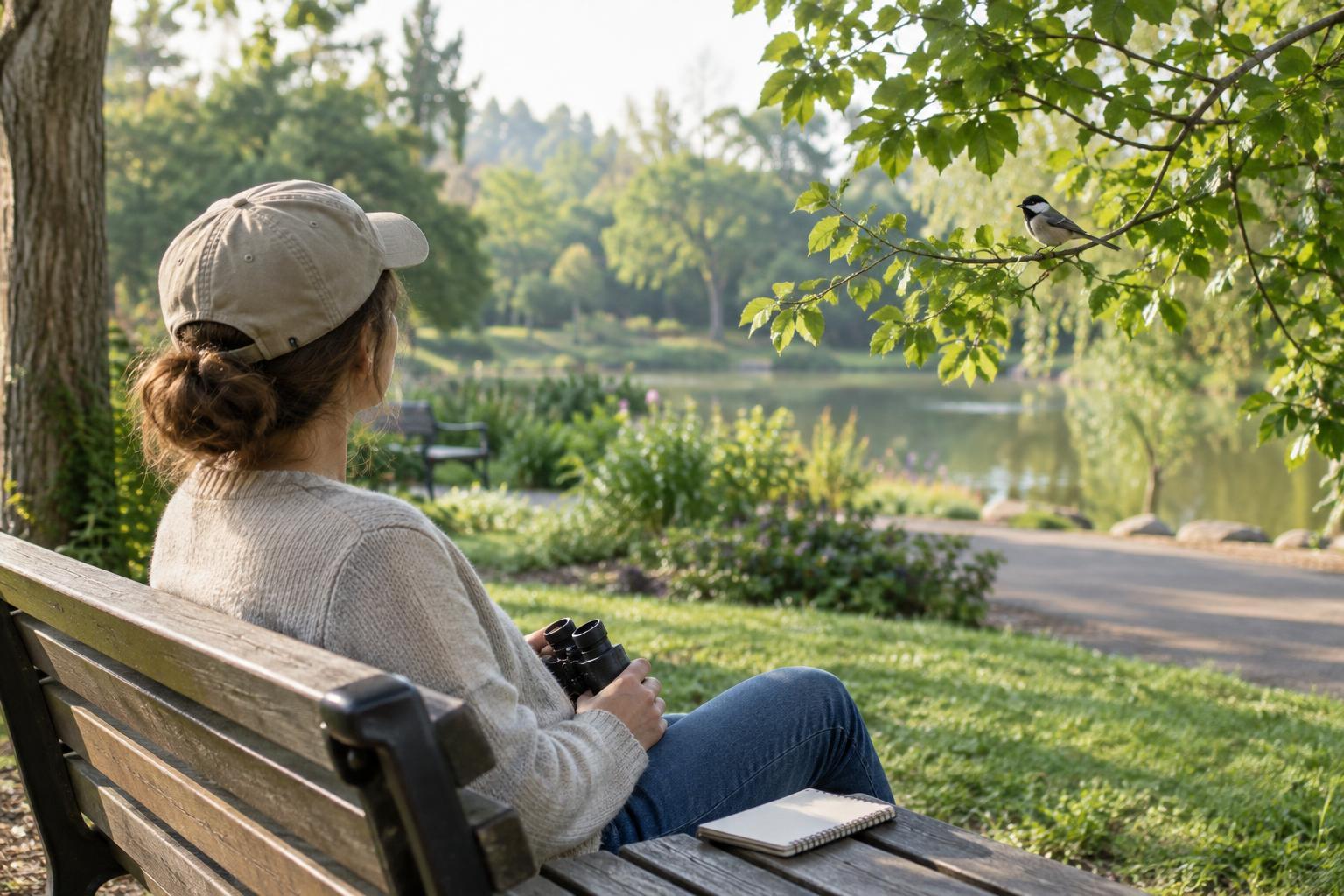
A destination can make a walk feel more inviting than a target number of steps. Choose an ordinary place you would enjoy reaching: a library, park, public garden, café, community noticeboard or a bench with a view. The destination need not be special. It simply gives the outing a shape and a natural place to pause or turn around.
Try making a small list of nearby destinations and pairing them in different ways. One day, walk to a park by the most direct route and return along quieter side streets. Another day, combine two short stops into a loop. Look for public paths and crossings that make sense on foot rather than assuming a driving route will be pleasant to walk. Before leaving, check opening hours if your plan depends on entering a building; otherwise, treat the destination as a landmark, not a requirement.
Notice what changes a route’s character
Two walks of similar length can feel very different. A residential street may offer gardens and little traffic, while a main road may have wide sidewalks but more noise. A path beside a playing field might feel open; a wooded stretch might offer shade. Pay attention to what you enjoy, as well as practical details such as lighting, pavement condition, steep sections, places to cross and access to water or restrooms.
You can use those observations to build a small menu of routes for different days: a short loop for limited time, a quieter route for conversation, a route with benches for an easy pace, and a longer walk when you feel like exploring. Weather and daylight may change which route appeals. The goal is not to find one perfect circuit but to have a few options you can choose without much planning.
Explore gradually and leave room to turn back
For an unfamiliar route, keep the experiment modest. Add one new block, entrance or public path to a known walk, then connect back to streets you recognize. A map can help you identify possible links, but it may not show whether a path is comfortable or accessible for your needs. If a connection is closed or unappealing, turning around is part of exploring, not a failed outing.
Choose a route that suits your time, energy and conditions that day. Wear shoes that feel comfortable, bring what you normally need for the weather, and let someone know your plan if that feels useful. Walking with a friend can make a new area easier to try; walking alone can offer time to notice your surroundings. Neither version has to become a strict schedule.
Keep a few favorites in rotation
Once you have tried several routes, give each a simple name you will remember, such as the library loop or the shady streets walk. Keep a note of its approximate time, useful landmarks and anything that might affect your choice. You do not need a detailed log. A short list can spare you from deciding where to go from scratch each time.
Revisit those favorites with a different purpose now and then. Take a relaxed walk to look at gardens, invite someone along for a conversation, or bring a camera to notice details you usually pass. Familiar routes can be comforting, and new variations can keep them interesting. Having both available makes walking easier to fit into everyday life on your own terms.