Start with curiosity, not a test
Picking up an old hobby can feel surprisingly unfamiliar. The activity may be the same, but your schedule, interests, budget, or available space may have changed. You might also remember being more skilled at it than you feel today. None of that means the hobby is no longer yours. It means you are meeting it under different circumstances.
Instead of trying to resume where you left off, give yourself one low-pressure session. Read a chapter, sketch for twenty minutes, take a short walk with a camera, or play a few songs. Notice what draws you in and what feels like work. The first session does not need to prove anything; it only needs to give you useful information.
It may help to name what you originally liked about the hobby. Was it making something with your hands, spending time outdoors, learning a technique, or sharing an interest with friends? That underlying appeal can guide your return, even if the equipment, setting, or way you participate changes.
Keep the parts that still make the hobby yours
Some familiar elements are worth preserving. A favorite recipe, a particular trail, or a weekly game night can make it easier to begin again. Familiarity can also reduce the number of decisions involved: you already know what supplies you need and how to start. Keep the rituals that make participation inviting, rather than keeping them simply because they are how you used to do things.
Think about the level of structure you enjoy. Some people like a goal, such as finishing a model or practicing a piece of music. Others prefer an activity with no finish line. If you once used goals to stay engaged, you can keep that approach while setting smaller, more flexible targets. A hobby is allowed to be satisfying without becoming another obligation.
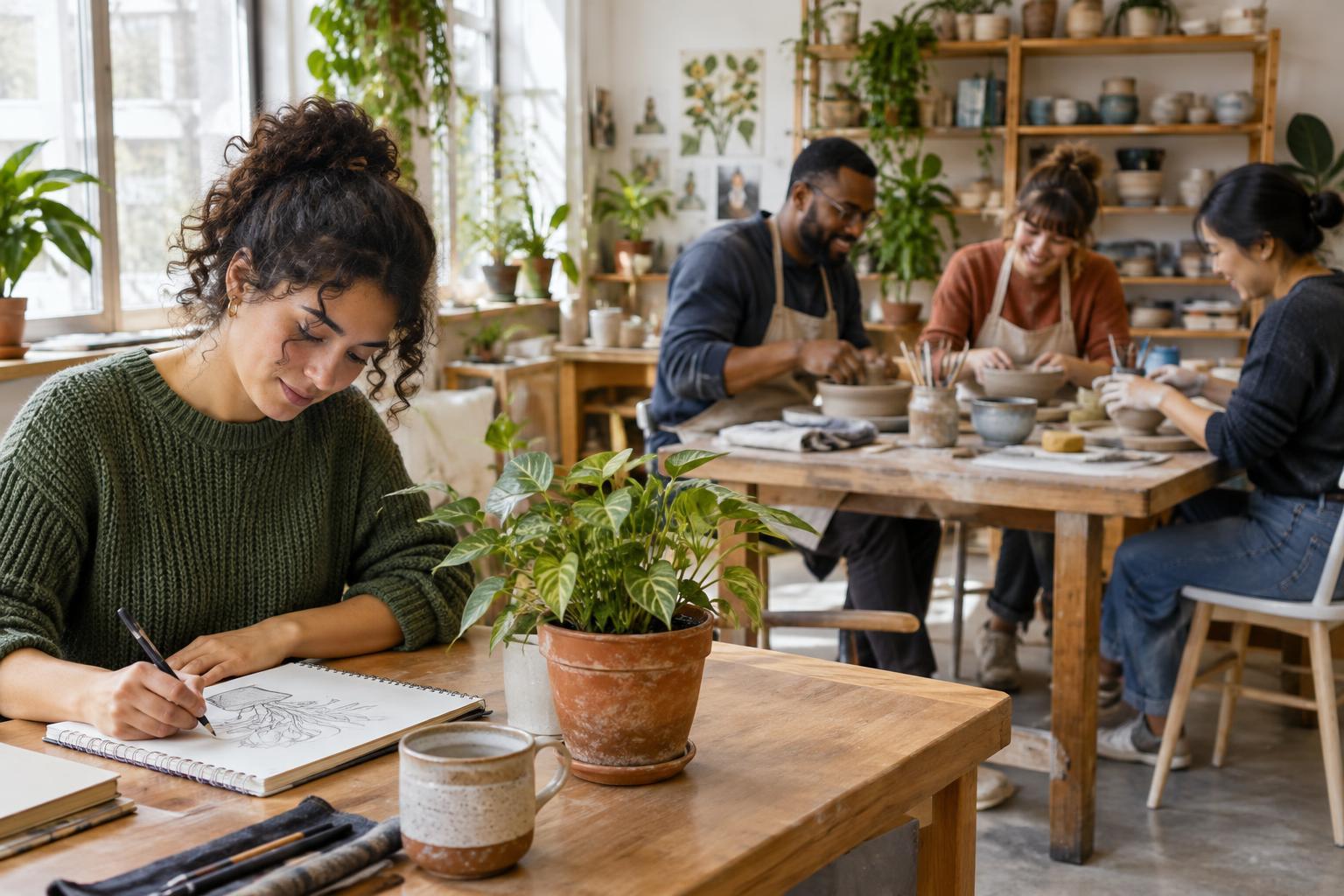
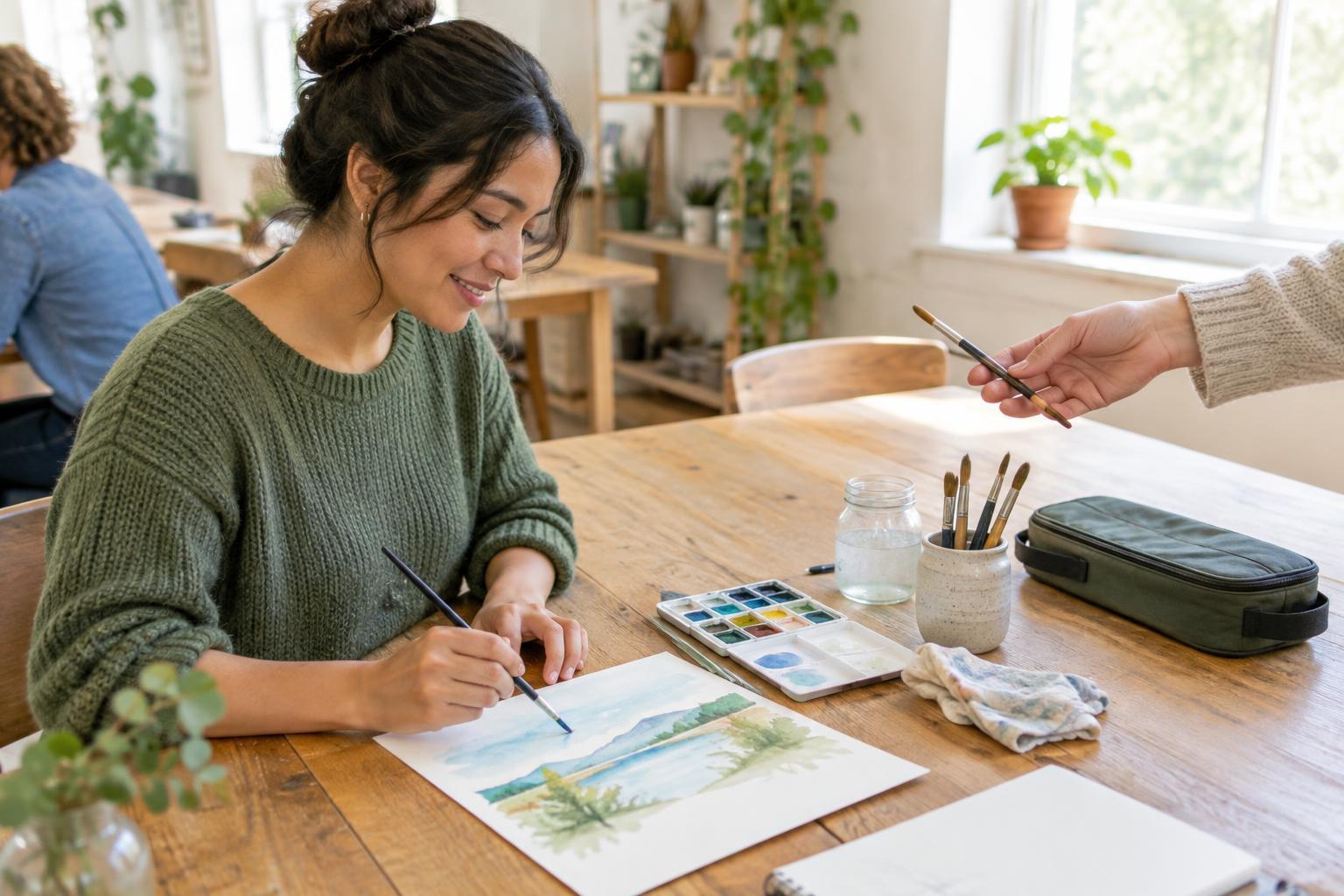
The people connected to a hobby may matter as much as the activity itself. If an old friend is still interested, an occasional shared session might make returning easier. If those connections have faded, that is not a reason to stop. You can enjoy the hobby alone, invite someone new, or look for a welcoming local group when you feel ready.
Change what no longer fits
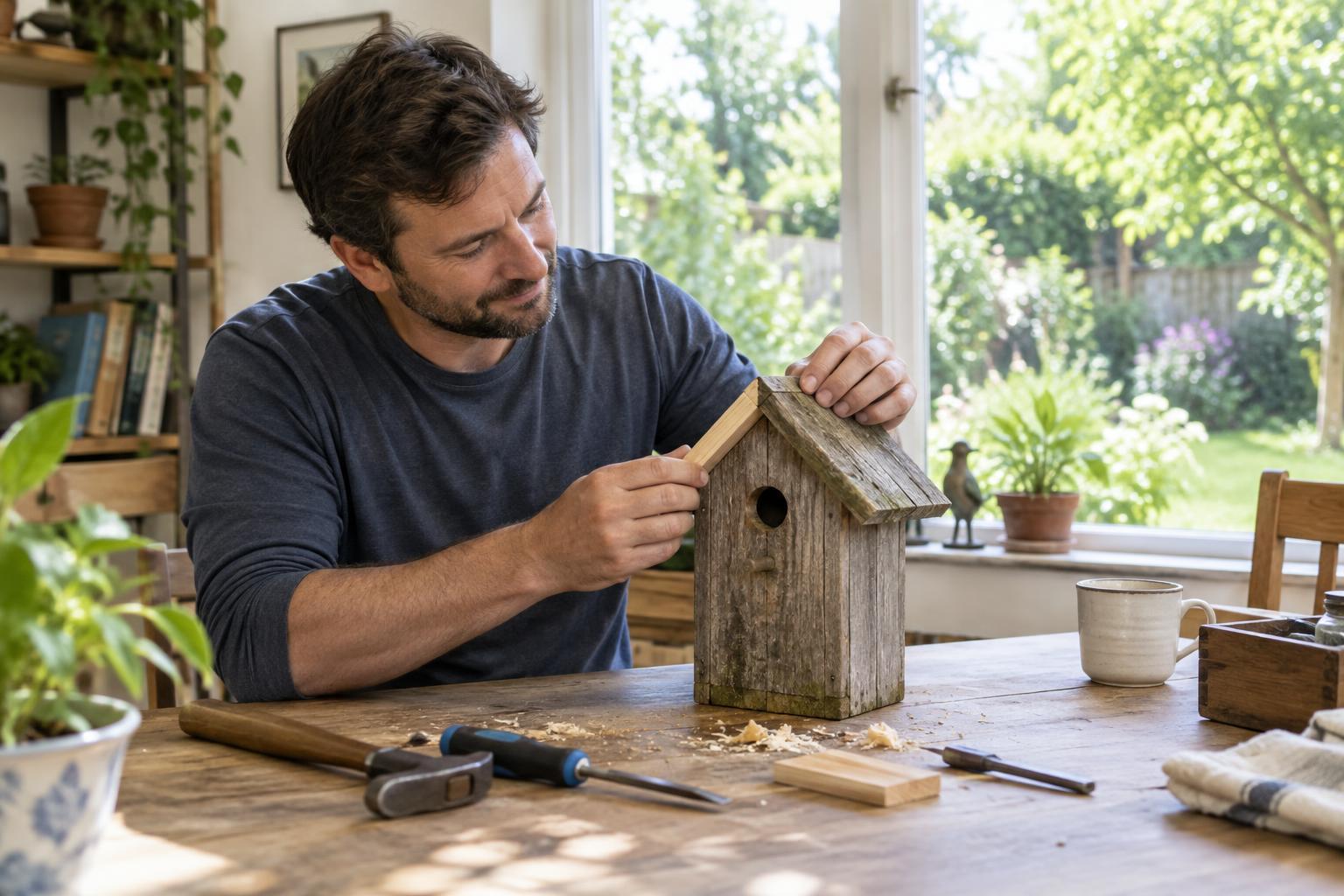
An old version of a hobby may depend on time, money, space, or energy that you do not want to devote to it now. Adapting it is not a lesser form of participation. A full-day outing might become an hour close to home. A collection of specialized gear might give way to a few reliable basics. A competitive activity might become something you do for enjoyment.
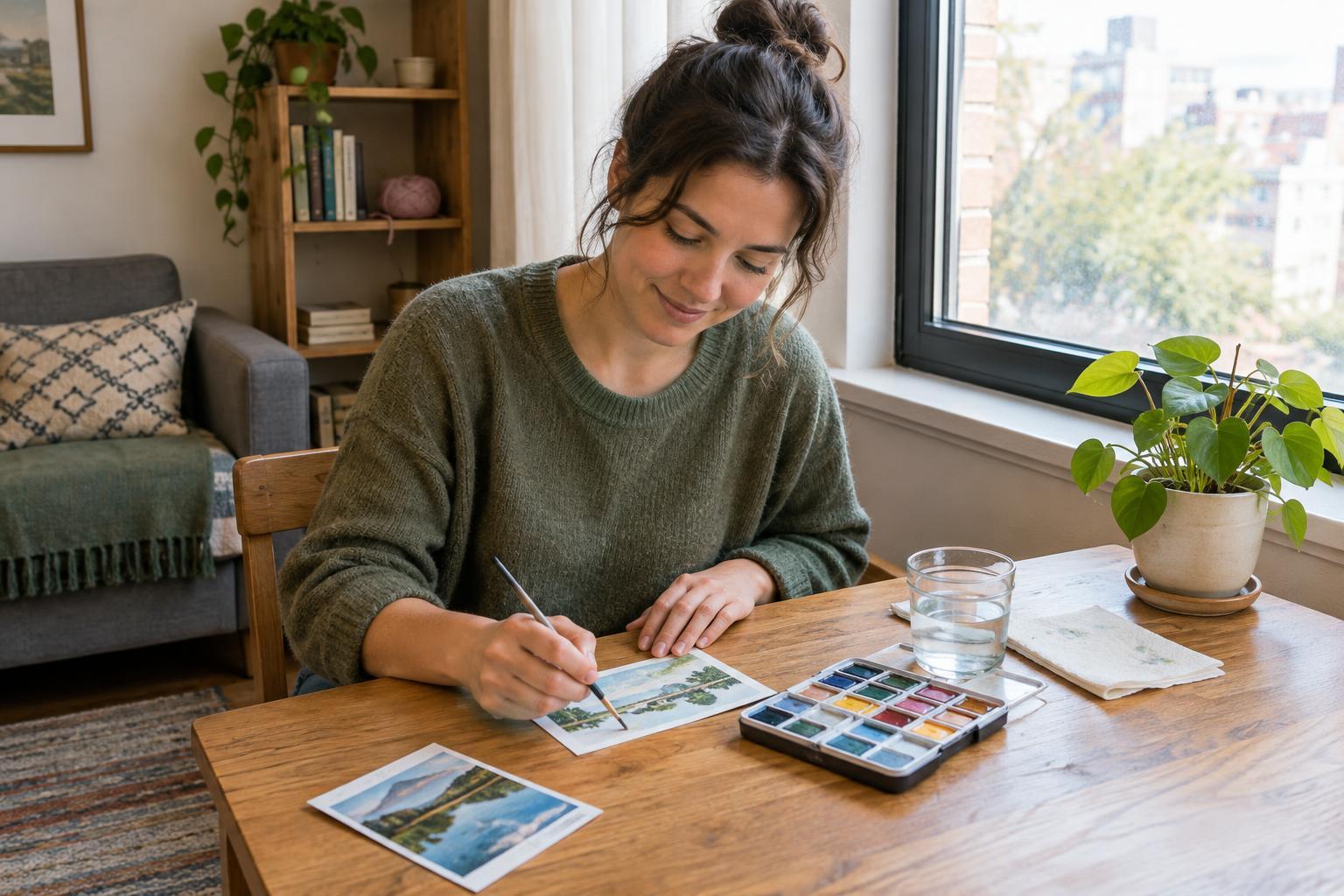
Before buying supplies or committing to a class, try the smallest workable version. Use what you already own, borrow equipment where appropriate, or choose a one-time session. This lets you find out whether the activity still appeals to you without making a large commitment. If you discover that you enjoy only one part of it, you can build around that part.
You can also change the pace and setting. Someone who once loved a busy group workshop may now prefer a quiet table at home; someone who used to practice alone may welcome company. Neither preference needs a bigger explanation. The useful question is not whether you are doing the hobby the old way, but whether the current way makes you want to come back.
Give the hobby a place in your current routine
A hobby is easier to revisit when it has a practical opening in the week. Choose a time you can usually protect, then make the first step simple: leave the book on the table, put the walking shoes by the door, or keep the project materials together. A small, repeatable session often tells you more than an ambitious plan that is hard to schedule.
After a few sessions, check in with yourself. What did you look forward to? What got in the way? You might keep the activity but change the time, location, or people involved. You might decide to put it aside again. That is a reasonable outcome, too. Returning to an old hobby is an invitation to explore, not a promise to maintain it forever.
The best version of a hobby now may combine old and new: a familiar skill, a different pace, and room for interests you have developed since service. Keep what gives you pleasure or a sense of connection. Change what makes participation unnecessarily difficult. That approach leaves the hobby free to become part of your present life, rather than a measure of how closely it resembles your past.