Start with what you want from your free time
After military service, free time may feel different. A familiar schedule or built-in group may no longer shape the week, leaving more room to decide how to spend an evening or a day off. Hobbies can help give that time a purpose without turning it into another obligation. The useful question is not whether a solo or shared hobby is better. It is what you would like an activity to add to your life right now.
You might want a quiet break, a chance to learn, a reason to leave the house, or a regular way to see people. Those wishes can change from week to week. Someone who enjoys teamwork may still want an activity they can do without coordinating schedules. Someone who values solitude may also welcome a group that meets around a common interest. Let your current needs guide the choice rather than deciding what kind of hobby person you are.
What solo hobbies offer
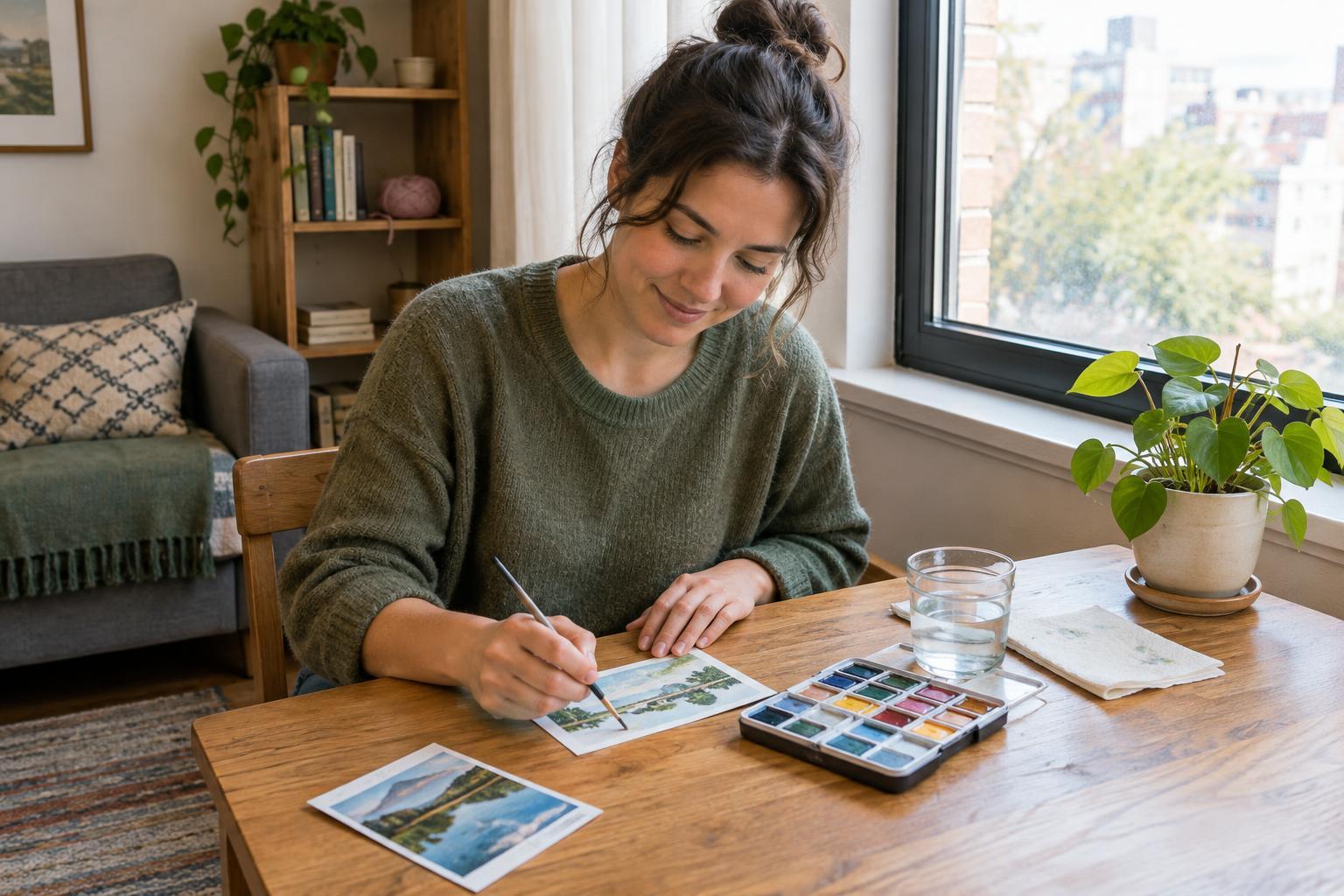
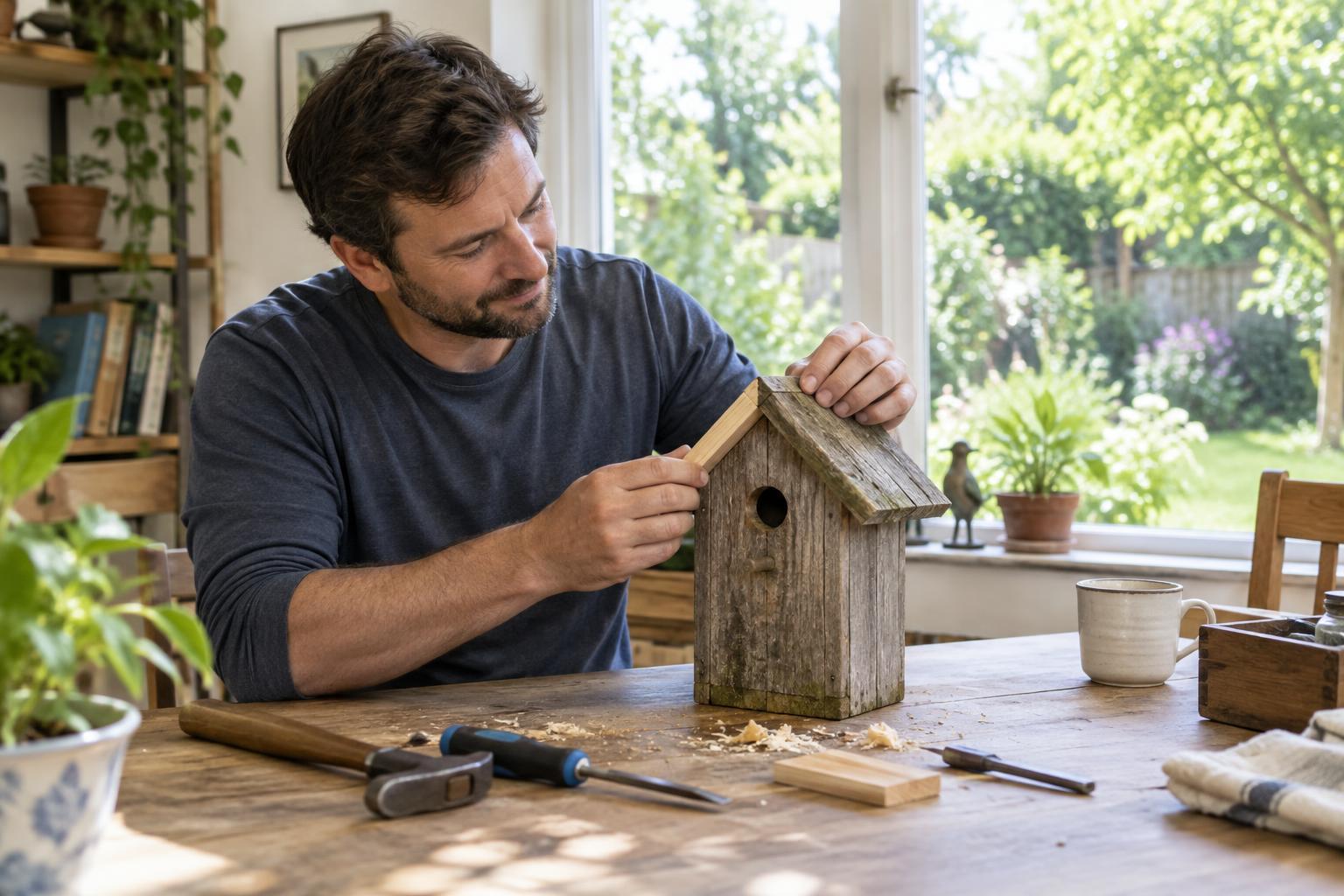
Solo hobbies give you control over the pace and the starting point. Reading, drawing, photography, gardening, model building and learning an instrument can all be done in short sessions or longer stretches. You can pause when life gets busy and return without having missed a meeting. That flexibility can be especially helpful while you are settling into new work, study or household routines.
Time alone with an activity can also make it easier to notice what you enjoy for its own sake. You can practice a skill privately, try a new style, or make something without comparing it with anyone else’s work. The trade-off is that a solo hobby may not provide much social contact on its own. If you want both independence and occasional company, you can keep the activity solo most days and share a finished project or attend an event when you feel like it.
What shared hobbies offer
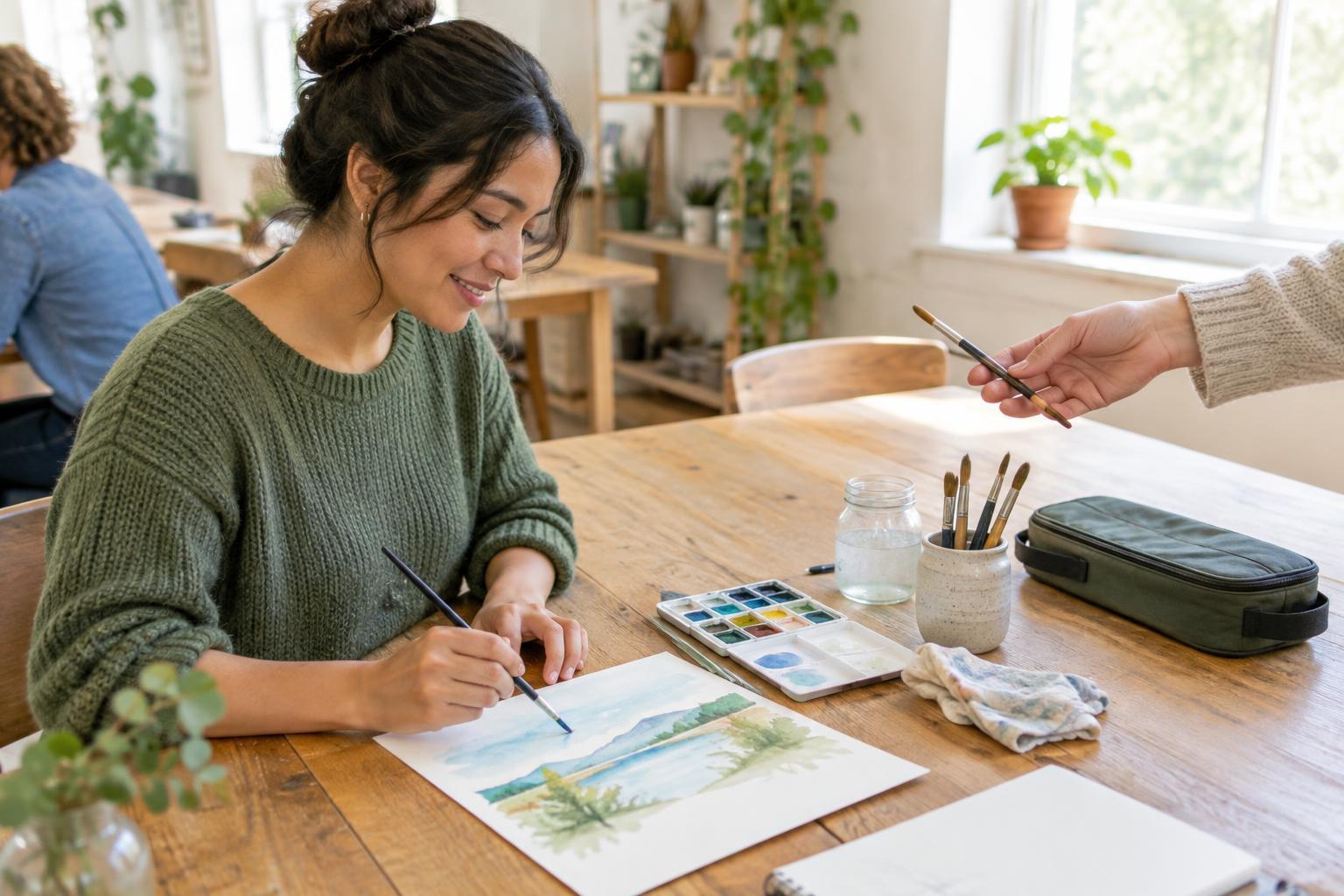
A shared hobby puts an activity at the center of a conversation. A walking group, community garden, casual sports team, game night or local class gives people something specific to do together. This can make meeting others feel less like a networking task. A recurring gathering may also provide a simple point of structure in the week, with familiar faces gradually becoming easier to talk to.
Group activities do involve more coordination. They may have set times, fees, equipment needs or expectations about attendance. Before joining, look for clues about the group’s pace and welcome to beginners. You can ask what a typical session is like and whether it is possible to observe or try one meeting. A good fit should leave room to participate as a person learning or enjoying an activity, not require you to perform a particular version of yourself.
Choose by testing the practical fit
Interest matters, but so do logistics. Think about when you realistically have time, how far you want to travel, what supplies you already own and how much you are comfortable spending. A nearby activity you can do for twenty minutes may be easier to sustain than an exciting one that requires a long trip every weekend. If an activity needs equipment, consider borrowing, renting or starting with basic supplies before making a larger purchase.
Try a small experiment instead of making a long-term commitment. Pick one solo activity and one shared option, then give each a few attempts. Afterward, ask yourself: Did I look forward to it? Did I feel engaged while doing it? Would the preparation and cost fit into an ordinary week? You do not need an immediate passion or rapid improvement. A hobby is allowed to be pleasant, modest and easy to return to.
Make room for both
Solo and shared hobbies do not have to compete. A person might take photographs alone and sometimes join a photo walk, or cook at home and occasionally attend a class. Cycling can be a private ride one day and a group outing another. The same interest can serve different purposes depending on how you practice it.
Consider keeping one low-effort option available for days when plans change, alongside a shared activity you can join when your schedule allows. If a group is not a fit, that does not mean the hobby is wrong for you; another setting or a solo version may work better. The aim is to build free time that feels like yours, with enough flexibility to change as your civilian routine takes shape.