Start with the space you have
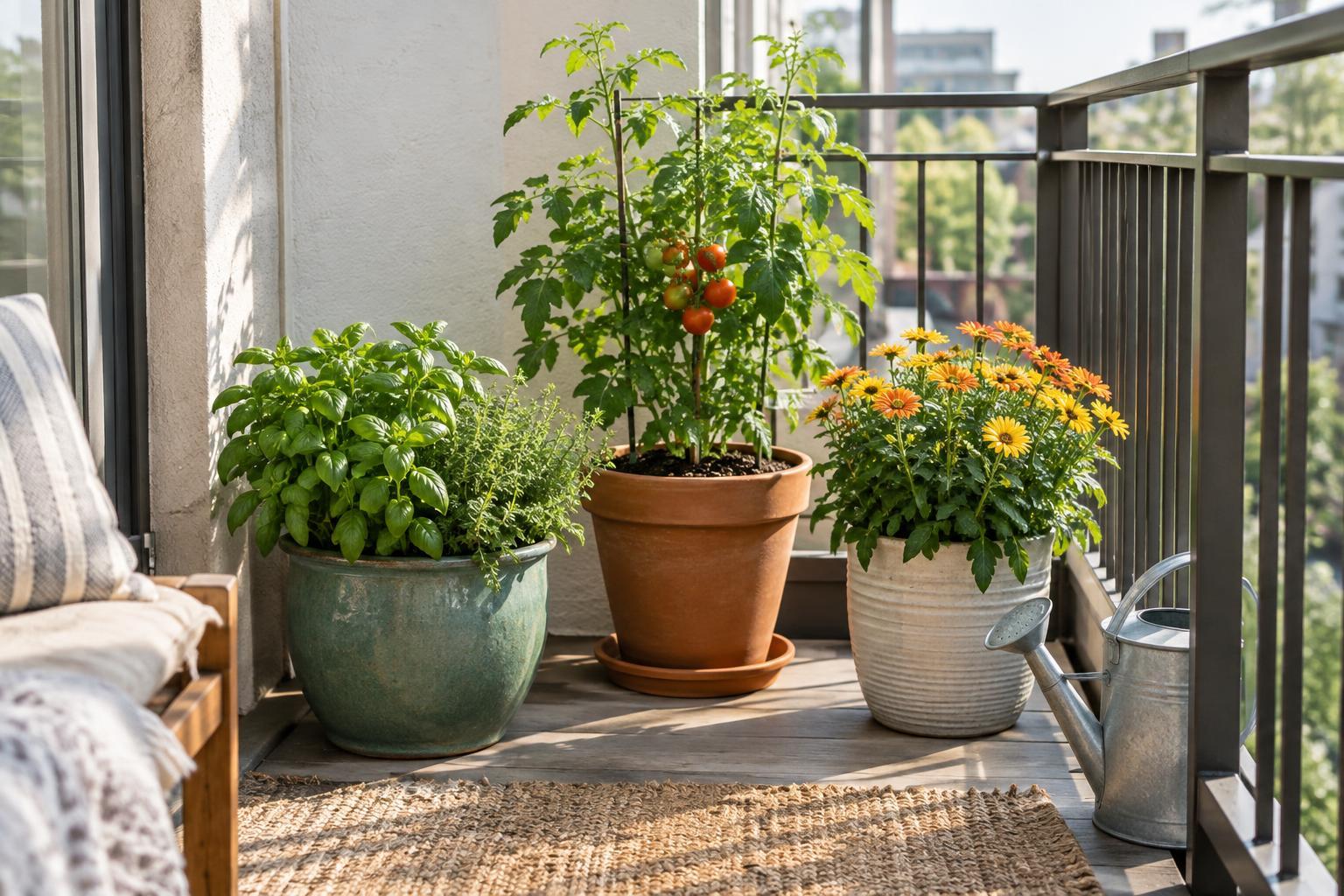
Container gardening can be a satisfying hobby when you have little room, move often or simply do not want to maintain a yard. A few pots can give you something to tend without turning it into a major project. For someone settling into a new civilian routine, the small, repeatable tasks of checking soil and noticing new growth may also offer a pleasant way to mark the day. The goal does not have to be a large harvest. Keeping one plant going is a worthwhile start.
Before buying anything, watch the spot you might use over the course of a day. Notice when it gets direct sun, whether wind reaches it and where water will drain. A sunny balcony may suit different plants from a shaded doorway. If you rent or share a building, check any rules about balcony items, railings and water runoff. Leave walkways and doors clear, and remember that containers become heavier after watering.
Choose containers that make care easier
Almost any sturdy container can hold a plant if it has room for roots and a way for excess water to escape. Drainage holes are particularly helpful because water sitting around roots can cause problems. Place a saucer beneath an indoor pot to protect surfaces, but empty it if water collects. Outdoors, set pots where they can drain without dripping onto a neighbor’s space. If a container has no holes and you cannot add them, use it as a decorative outer cover for a smaller pot that drains.
Match the container to the plant and the place it will sit. A small herb can begin in a modest pot, while a larger vegetable may need more root space and a container that will not tip in the wind. Lightweight pots are easier to move, though they may dry out or blow over more readily. Fill containers with potting mix intended for containers rather than soil scooped from the ground; potting mix is generally better suited to drainage and root growth in a confined space.
Pick a few plants, not a full collection
Let your light conditions and interests guide your choices. If you enjoy cooking, a culinary herb you regularly use may be more rewarding than a plant chosen only because it looks productive. Leafy greens, herbs and compact flowers are common options for pots, but each variety has its own needs. Read plant labels or seed packets for guidance on light, spacing and mature size. A plant described as compact is often a better fit for a narrow ledge than one that spreads widely.
Begin with one to three containers so you can learn how quickly the soil dries in your particular spot. You can start with young plants for a quicker introduction or seeds if you enjoy watching the full process. If you have pets or young children, check whether a plant is safe for them before bringing it home. It is easier to add another pot later than to rescue several plants when their care needs turn out to be different.
Build a simple care routine
Watering is less about following a fixed calendar than checking what the plant needs. Press a finger into the potting mix; if it feels dry below the surface, it may be time to water. Water slowly until moisture reaches the root area and, in a pot with drainage holes, some excess begins to escape. Wind, heat, plant size and container material can all change how fast a pot dries. Indoor plants may need a different rhythm from plants just outside the door.
Pair a brief plant check with something you already do, such as making morning coffee or stepping outside after work. Look for dry soil, drooping leaves, pests or new growth. Remove spent leaves and turn a pot occasionally if it leans toward the light. A phone reminder can help at first, but observation matters more than watering simply because an alert appears. When something struggles, try changing one condition at a time so you can see what helps.
Keep the hobby flexible
A container garden does not need to look polished. Reused pots, a small watering can and a few plants you like are enough to begin. If your schedule changes, choose fewer plants or group pots where checking them is convenient. If you expect to be away, ask someone you trust to check them and leave clear, simple instructions. You can also treat a plant that does not thrive as information about your space, not a failed project.
As you gain confidence, make a note of which spots receive light, which containers dry fastest and which plants you actually enjoy tending. Those observations will help you decide what to grow next. You might swap a plant with a neighbor, share a cutting where appropriate or simply enjoy a quiet moment beside your pots. In limited space, the most useful garden is one that fits both the location and the life you are building around it.