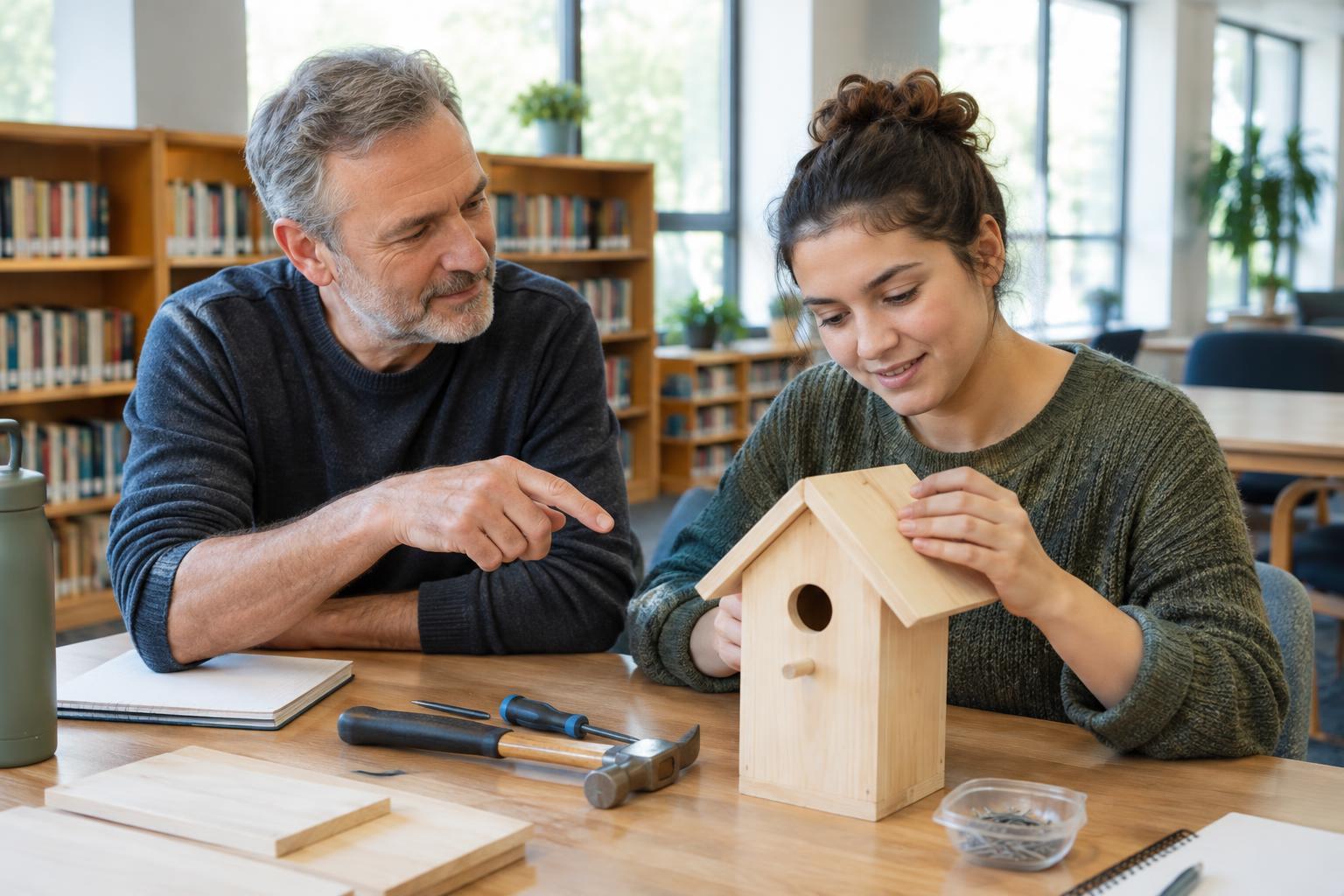
Recognize the skill behind the training
If you have shown someone how to use equipment, learn a procedure, or take on a new responsibility during military service, you may already have practiced parts of mentoring. The transferable skill is not simply knowing the task yourself. It is noticing what another person needs to learn, explaining it clearly, giving them room to try, and helping them improve.
Start by recalling a specific time you supported someone’s learning. What did they need to do? How did you assess what they already knew? Did you demonstrate, break the task into steps, answer questions, or offer feedback afterward? These details reveal more than a broad statement such as “trained personnel.” They show how you helped someone become more capable.
Not every training experience is the same. You may have led formal instruction, helped a new teammate settle in, or shared a useful shortcut with a peer. Each can provide an example, provided you describe your own contribution accurately and avoid sharing sensitive details.
Translate the experience into civilian language
Civilian employers and community groups may not recognize a military role title or an acronym. Describe the learning problem and your actions in familiar terms instead. For example, “helped new team members learn a multi-step process by demonstrating it, observing practice, and offering feedback” tells a reader what you did without requiring knowledge of your unit or specialty.
Choose verbs that match your actual role: guided, demonstrated, coached, oriented, explained, checked understanding, or documented a process. If you designed lessons or assessed performance, say so only when that was part of your work. You can also explain the outcome without inventing a number: perhaps the person became comfortable completing a task independently or knew when to ask for help.
A useful short account follows a simple sequence: the learner’s need, your approach, and what changed. Try saying it aloud to someone unfamiliar with your background. If they have to stop you for definitions, replace the specialized terms rather than making the story longer.
Adjust from instruction to mentorship
Training often has a defined task and an expected way to perform it. Mentoring may be less structured. A mentee might want to explore options, build confidence, or think through a challenge rather than learn one correct procedure. The shift is from primarily telling someone what to do toward helping them identify a useful next step.
Begin by asking what the person hopes to learn and what they have already tried. Offer an example from your experience when it is relevant, but make clear that their circumstances may differ. Questions such as “What part feels unclear?” or “What would you like to practice first?” invite participation and help you avoid solving the wrong problem.
Feedback works best when it is specific and respectful. Describe an observable action, explain why it mattered, and ask how the person saw it. Leave room for a different approach that still meets the goal. A collaborative style does not erase the value of your experience; it makes that experience easier for someone else to use.
Practice in a setting that fits
You do not need a formal mentor title to develop this skill. You might help a colleague learn a routine, support a classmate on a shared project, or volunteer to orient new members of a community group. Look for a setting where expectations are clear and where you have enough time to follow through. If a program has its own guidelines, learn them before offering guidance.
Start small. Agree on one goal, such as understanding a workflow or preparing for a first meeting. Ask the learner how they would like to work together, then set a time to check in. Afterward, consider what explanation helped, where you spoke too much, and what you would change next time. This reflection can turn an occasional helpful conversation into a more deliberate skill.
Keep the relationship useful and bounded
A good mentor does not need to have every answer. Be clear about what you can offer and when a question falls outside your experience. If someone needs specialized guidance on health, benefits, legal matters, or finances, encourage them to seek an appropriate qualified source rather than trying to fill that role yourself.
Respect the other person’s choices and privacy. Ask before sharing their work or story as an example, and do not treat a suggestion as an order. When describing your mentoring experience for a résumé or interview, focus on the methods you used and the learning you supported, while protecting details that are not yours to disclose.
Experience training others can be a strong foundation for civilian mentoring, but the skill grows through adaptation. Clear language, patient questions, useful feedback, and appropriate boundaries help you carry that experience into a new setting without assuming every learner needs the same approach.