Start by learning how the project works
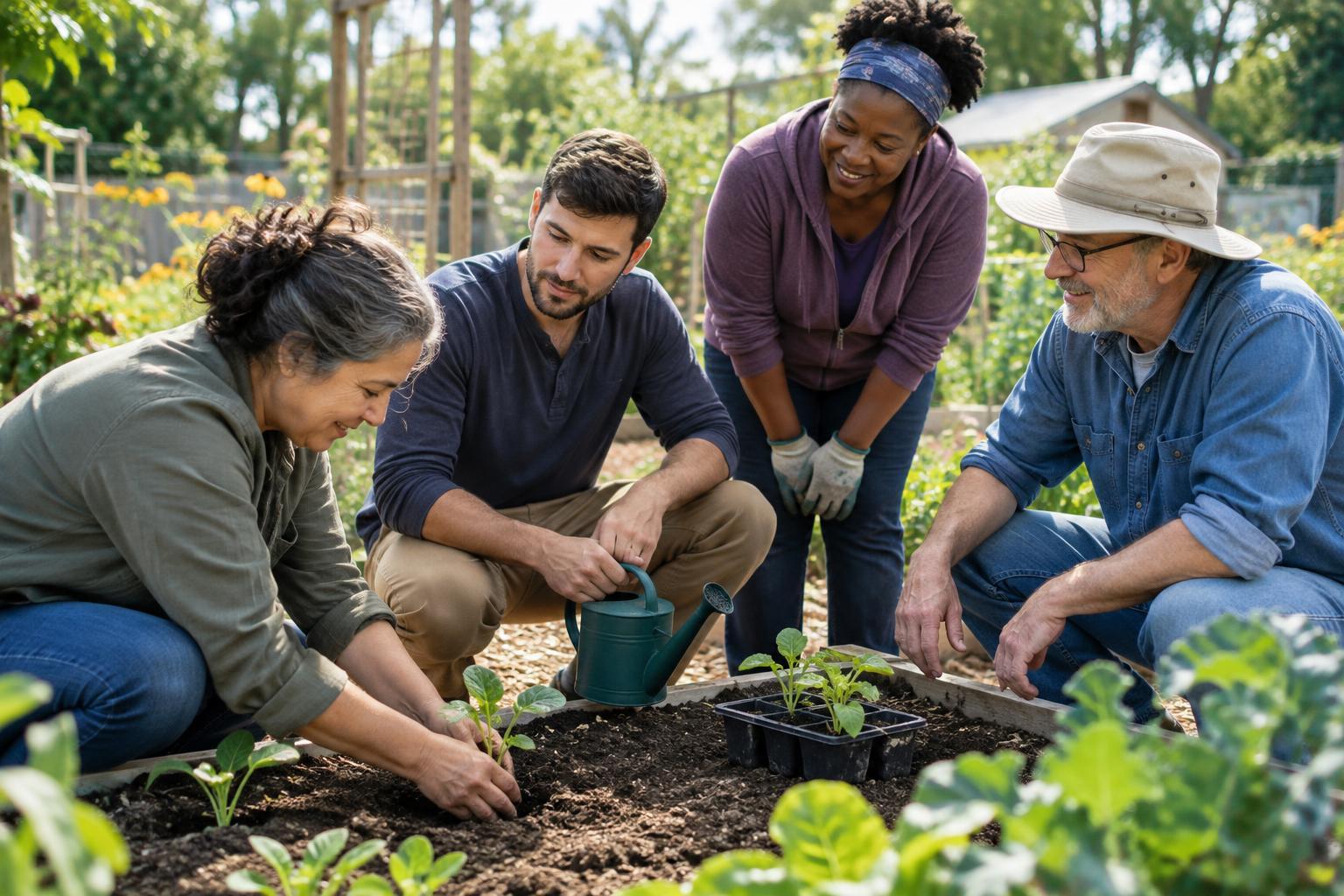
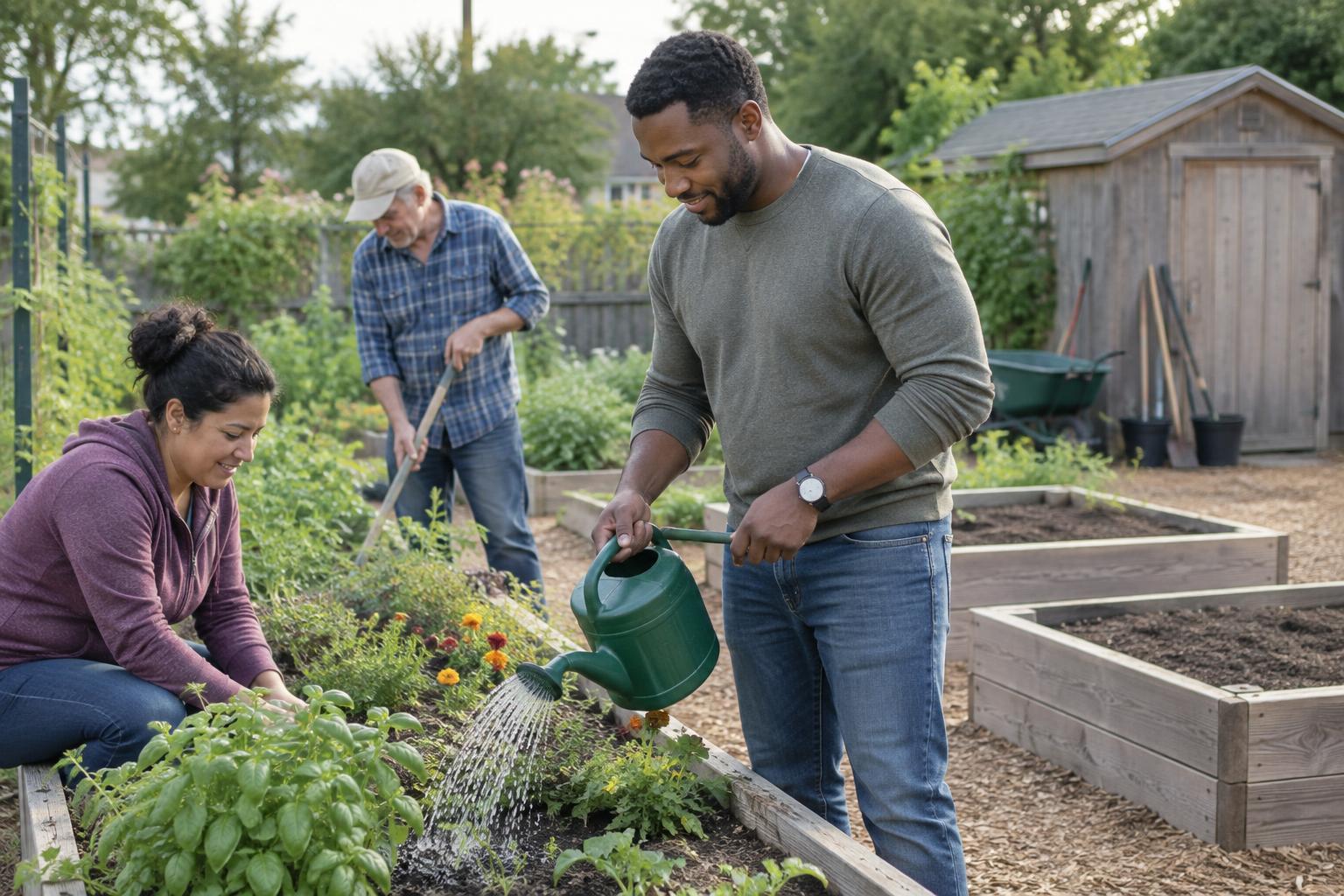
Community projects can be a satisfying way to build a civilian routine and meet people around a shared purpose. Military-honed teamwork may help you notice what needs coordinating, keep track of commitments and stay steady when a plan changes. Those strengths matter. But a neighborhood cleanup, food pantry or community garden may operate differently from a unit with defined roles and a clear chain of command. People may be giving a few hours after work, and the project may have a history you cannot see on your first day.
Before offering a new plan, ask what the group is trying to accomplish and how decisions are made. Find out who knows the site, the participants and any existing agreements. Then take on a task that needs doing. Showing up when you said you would, following the group's procedures and completing an unglamorous job can build trust faster than arriving with a system to improve everything.
Offer structure as a tool, not a command
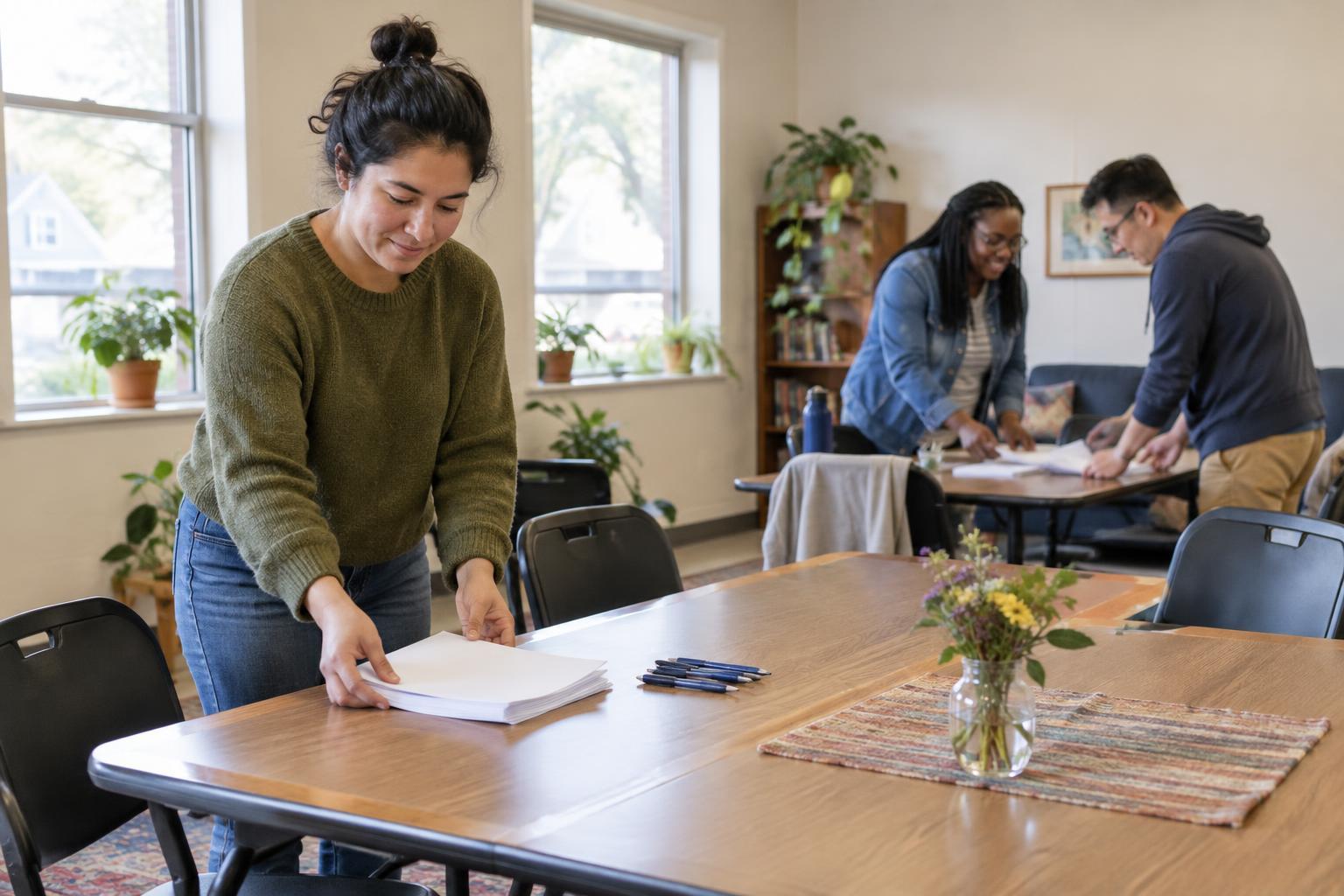
Clear roles and simple checklists can make a volunteer day easier. If supplies are scattered or several people are doing the same task, it is reasonable to suggest a way to organize the work. Frame it as an option: “Would it help if I made a list of what we still need?” That gives others room to accept, change or decline the idea. A useful plan should serve the project, not become another job for volunteers to maintain.
It also helps to ask what authority comes with a role. Being asked to coordinate setup may not mean deciding the event's priorities or assigning everyone a task. If the boundaries are unclear, check with the organizer. Share information where others can find it, explain your reasoning briefly and leave space for people to use their own methods. Structure is most welcome when it reduces confusion without reducing anyone's voice.
Make room for different kinds of contribution
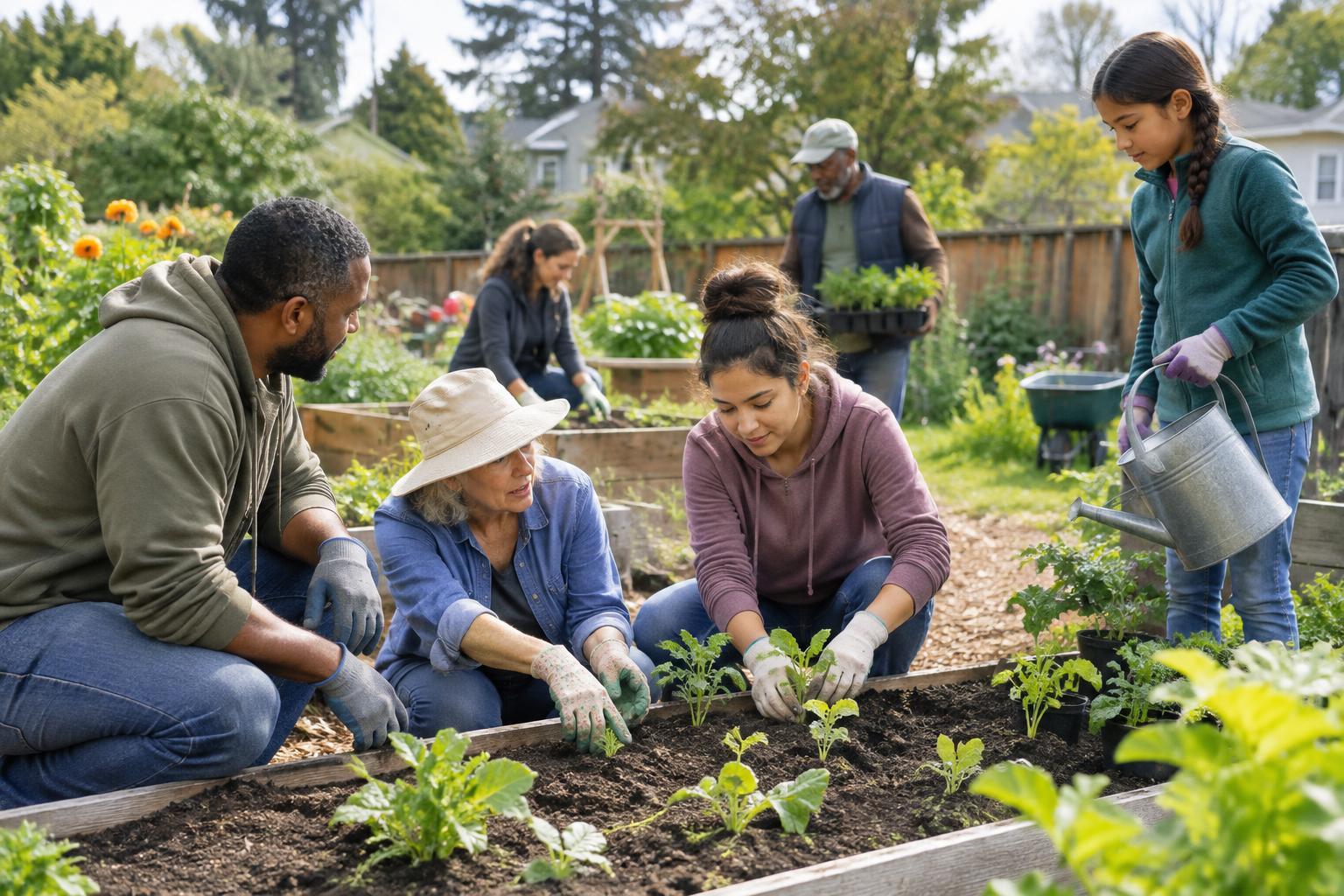
Teams do not need identical working styles to do good work. Some volunteers like a detailed schedule; others are comfortable taking a task and checking back later. Longtime participants may have practical knowledge that has never been written down. Newcomers may notice a barrier everyone else has grown used to. Invite those perspectives before settling on a solution, especially when a change will affect people who rely on the project.
A quick check-in can be more useful than a long briefing: What needs attention today? Who wants to take which task? Is anyone missing information or supplies? Avoid treating a quiet response as agreement. Give people a chance to raise concerns, and notice whether the same few voices always decide. Teamwork includes making it easier for others to contribute, not just making the work move faster.
Adapt when the pace or priorities change
Volunteer projects can be uneven. Attendance changes, materials arrive late and people have different amounts of time to give. A slower pace does not always mean a lack of commitment. If you feel the urge to step in and direct everyone, pause and identify the actual problem. Is a deadline at risk, or is the work simply happening differently than you expected? Ask what would be helpful before taking on a coordinating role.
When something genuinely needs attention, describe the issue without blaming anyone. For example, you might point out that the team is short on bags and ask whether someone can help adjust the plan. If your suggestion does not fit the group's priorities, accept that and keep contributing. Respect for shared decisions matters even when you would have chosen another approach.
Build a role you can sustain
It can be tempting to become the person who fixes every gap, particularly when you are used to being dependable under pressure. In a community project, a sustainable commitment may be more valuable than a burst of effort followed by exhaustion. Be specific about the time and tasks you can offer. If you cannot continue in a role, give notice when possible and pass along the information someone else will need.
Over time, ask for feedback rather than assuming that visible results tell the whole story. Did your planning make participation easier? Did others feel comfortable speaking up? What should stay the same next time? Bringing teamwork into civilian life is not about leaving your skills behind. It is about using them with curiosity and restraint, so the project grows stronger and more people can take part.